
Blog / Service Tips

Blog

All Service Tips Ford Models Local Tips Local Ford Tips Local Restaurants Driving Tips Electric Vehicles Buying Tips Mustang Tips Community Events Local Cafes Used Car Buying Tips Brewster Used Cars
Ford Transmission Service

When Does Your Ford Need a Transmission Service?

Your transmission is one of the hardest-working components in your Ford. It handles every gear shift, moves power from the engine to the wheels, and keeps everything smooth whether you're climbing hills around Brewster or crawling through stop-and-go traffic on Route 22. When something starts going wrong, you'll usually feel it before any warning light ever comes on. Trust that instinct. You can schedule a transmission service appointment with our team at Brewster Ford, or keep reading to understand exactly what to watch for and when to act. This guide covers the warning signs, service intervals, and what actually happens during a Ford transmission service, so you can stay ahead of problems before they get expensive. more Warning Signs Your Ford Transmission Needs Service Transmission problems rarely appear out of nowhere. They build gradually, which gives you time to catch them early. The sooner you act, the less damage you're dealing with. Shifting Problems: Slipping, Hesitation, or Rough Gear Changes How your Ford shifts is one of the clearest indicators that something needs attention. A one-to-two second pause before the car moves after shifting into Drive, unexpected slipping between gears, or a hard jolt during a gear change are all red flags. Gear slipping in particular can point to internal wear, low fluid, or a failing clutch pack. You might also notice the engine revving higher than normal without any real increase in speed. Rough or delayed shifts on an F-150, Escape, Explorer, or any other Ford model shouldn't be chalked up to quirks. That's your vehicle telling you something is off. Unusual Noises, Smells, or Fluid Leaks A healthy transmission runs quietly. Grinding, buzzing, clunking, or a persistent whine during acceleration often points to worn bearings, low fluid, or internal damage. A burning smell is another serious signal. It usually means the transmission fluid is overheating, which happens when the fluid breaks down or drops too low to do its job. Fluid leaks deserve immediate attention. Transmission fluid is typically red or pinkish, so puddles under your parked Ford are hard to miss. Running low on fluid can cause severe damage fast. Dashboard Warning Lights and What They Mean Modern Fords use a range of sensors to monitor transmission health. If you see a transmission warning light or a message like "Transmission Fault Service Now," don't ignore it. Even a general check engine light can sometimes trace back to a transmission-related diagnostic code. A factory-trained technician can run a full diagnostic and pinpoint the issue quickly, which beats guessing every time. How Often Should You Schedule Ford Transmission Service? Staying proactive is what keeps a Ford reliable over the long haul. Knowing the service interval for your specific model is one of the simplest ways to protect a major investment. Recommended Intervals by Model Ford transmission service intervals vary by model, transmission type, and driving conditions. The table below is a quick-reference guide to help you locate your vehicle. Always confirm the exact interval with your owner's manual or our service team, since recommendations can shift by model year. Model Transmission Type Recommended Fluid Standard Service Interval Notes F-150 Automatic (10R80) MERCON ULV First change at 30,000 mi; then 150,000 mi (normal) Severe duty: every 50,000–60,000 mi Explorer Automatic (10R60/80) MERCON ULV (2020–2025) First change at 30,000 mi; then 150,000 mi (normal) Severe duty schedule applies Escape Automatic MERCON LV (2016–2019, 6F35N); MERCON ULV (2020–2025, 8F24/35/40) Per owner's manual; check at 30,000 mi Consult model-year-specific manual Mustang Manual / Automatic MERCON ULV (10R80 auto, 2018–2025); MERCON LV (6R80 auto, 2016–2017); refer to manual (manual trans) Varies by transmission type Manual trans fluid check recommended periodically Transit Automatic MERCON ULV First change at 30,000 mi; then 150,000 mi (normal) Commercial/work use = severe duty schedule Severe Duty Conditions If your driving regularly involves frequent towing, heavy hauling, extended stop-and-go traffic, extreme heat or cold, or hilly terrain, the 50,000–60,000 mile interval is the more appropriate benchmark for your Ford. For drivers in and around Brewster using their vehicle for work, recreation towing, or winter commuting, this is worth factoring into your maintenance plan. The standard interval is designed for average conditions, and a lot of us in northern Westchester County drive in anything but average conditions. One thing worth knowing: many newer Ford models use sealed or semi-sealed transmission systems without a traditional dipstick. Checking fluid on these vehicles requires professional equipment, which makes a regular service visit more important than ever. How Driving Around Brewster Can Affect Your Ford's Transmission Northern Westchester County isn't easy on a drivetrain. The hilly terrain around Brewster puts a sustained load on your transmission during every climb and descent. Route 22 and the roads feeding into it bring stop-and-go commuter traffic, which creates repetitive heat cycles your transmission has to manage. Add in weekend towing to nearby lakes and recreational areas, and the cumulative strain adds up quickly. The seasonal extremes common to the Hudson Valley are another factor worth considering. Cold winters temporarily thicken transmission fluid, while hot summer days push fluid temperatures up. Ford owners in the area may find their vehicles benefit from slightly more frequent service than the standard schedule suggests, particularly if they're towing, commuting on hilly roads, or dealing with regular temperature swings. What's Included in a Ford Transmission Service? A proper transmission service is more than a fluid top-off. When you bring your Ford to us, a technician will inspect the transmission pan and gasket, replace the transmission filter, and refill the system with the correct Ford-approved fluid to the proper capacity. We'll also check for leaks throughout the system and assess overall transmission condition. Fluid Change vs. Flush: Which One Does Your Ford Need? A fluid change drains the fluid from the pan, though some fluid stays behind in the torque converter and cooler lines. A flush pushes new fluid through the entire system, clearing out old and contaminated fluid from every part of the circuit. It's more thorough, and it's sometimes the right call when fluid is significantly degraded or a vehicle has high mileage. A fluid change is the standard go-to for routine maintenance. A flush makes sense for heavily contaminated systems or situations where more thorough clearing is needed. At Brewster Ford, our recommendation is always based on your specific vehicle's condition. If you'd like to learn more about what we offer, visit our Ford transmission service in Brewster, NY page. Why Catching Transmission Issues Early Can Save You Money A transmission service visit might feel like an expense you can push off. The math usually tells a different story. A routine fluid change is a manageable cost. A full rebuild or replacement is an entirely different conversation, often running into thousands of dollars depending on the model and extent of the damage. Small issues compound when left unaddressed. Contaminated fluid accelerates wear on gears, clutch packs, and bearings. A developing leak quietly gets worse. What could have been resolved with preventive maintenance becomes a major repair. Factors that influence total service cost include the type of service needed, the fluid specification your model requires, and whether any worn components need attention. Staying current with scheduled service at a Ford dealership is simply the more economical choice. Bring Your Ford to Brewster Ford for Transmission Service Why Choose Brewster Ford Transmission work isn't something you want to leave to chance. At Brewster Ford, our factory-trained technicians know Ford vehicles specifically, use genuine Ford-approved fluids and parts, and follow manufacturer guidelines from start to finish. We serve the communities of northern Westchester County as the only dedicated Ford store in the Volz Auto Group, and we take that responsibility seriously. Whether you're coming in for a routine fluid change, a full flush, or a diagnostic check after a warning light, we're equipped to handle it correctly and get you back on the road with confidence. Schedule Your Appointment Scheduling is simple. You can book your service online or reach our service department directly at 845-205-7086. We're open Monday through Friday from 7:30 AM to 5 PM and Saturday from 8 AM to 3 PM. Find us at 1024 Route 22, Brewster, NY 10509. If your Ford is due for service or showing any of the signs covered here, don't wait. Getting ahead of transmission problems is always less costly than reacting to them. Frequently Asked Questions About Ford Transmission Service How do I know if my transmission fluid is low? Low fluid often shows up as delayed shifts, slipping gears, or a burning smell. Since many newer Ford models use sealed transmissions without a dipstick, the most reliable way to check fluid level is during a professional service visit. Can I drive with a slipping transmission? We strongly recommend against it. Driving with a slipping transmission accelerates internal wear and can turn a manageable repair into a much more costly one. If you're experiencing slipping, schedule service as soon as possible. Does my Ford have a sealed transmission? Many newer Ford models, including several F-150 and Explorer configurations, use sealed or semi-sealed transmission systems. These don't have a traditional dipstick and require professional equipment to check properly. If you're unsure whether your vehicle is sealed, our service team can confirm it quickly. Does towing shorten transmission life? It can, if the transmission isn't serviced on a schedule that accounts for the added stress. Towing generates more heat and puts more demand on fluid and internal components. If you regularly tow, the severe duty service interval applies to your vehicle, and keeping up with it is the best way to protect your transmission long-term. What factors affect the cost of a transmission service? Cost depends on the type of service performed, the fluid specification your model requires, and whether any additional components need attention. We don't quote prices here because variables differ by vehicle, but you can contact us or visit our transmission service page for an accurate estimate based on your specific Ford.
Ford F-150 Lineup

Why Regular Oil Changes Are Crucial for Your Ford Truck’s Longevity

Your Ford truck is a significant investment that deserves thorough care. Whether you're hauling equipment for work, taking your family camping in the Hudson Valley, or navigating snowy New York winters, nothing protects your engine better than staying on top of oil changes. Regular maintenance keeps your truck performing well while preventing costly breakdowns that can sideline you unexpectedly. Our team at Brewster Ford has gathered everything you need to understand about oil maintenance, including how regular changes can save thousands in repair costs, warning signs that demand immediate attention, and why this simple service is your smartest strategy for keeping your truck running reliably for years to come. more New Ford SUVs New Explorer Inventory Call Us! Why Oil Changes Are Important If you skip oil changes, you'll pay for it eventually. Engine replacements can cost $3,000 to $10,000 or more, and if you think you'll save with a used engine, those still run $600 to $6,000. Dirty oil reduces your fuel economy by up to 12%, which can cost you hundreds of dollars in gas every year. Your truck's resale value diminishes without maintenance records, and skipping scheduled oil changes can void your warranty. Even New York state inspections are affected — a failed emissions test carries a penalty. To put this in perspective, average yearly repairs total $838 per vehicle, and oil changes typically cost just $35 to $75 each. You can spend roughly $150 yearly on oil changes versus thousands on major repairs. Understanding Your Ford Truck's Oil System and Requirements Oil is your engine's lifeblood — it cuts friction, pulls heat away, cleans dirt, and seals gaps. Different Ford trucks need specific oils. For example, the 6.7-liter Power Stroke Diesel engine uses SAE 10W-30 (Ford specification WSS-M2C171-F1), 0W-40 in freezing weather, or 5W-40/15W-40 for towing or biodiesel, and the 7.3-liter "Godzilla" gas V-8 engine takes SAE 5W-30 (WSS-M2C961-A1). 6.8-liter and 6.2-liter gas V-8s use SAE 5W-20. EcoBoost engines, including the 2.7-liter and 3.5-liter V-6, use SAE 5W-30, the same as the 5.0-liter V-8. Nearly all newer Fords need synthetic oil for better performance and longevity. The oil type affects service intervals. Conventional oil needs changing every 3,000-5,000 miles, while synthetic oil lasts 7,500-10,000 miles. Blended oil wears out at 5,000-7,500 miles, and turbocharged engines need more frequent changes due to heat. Trucks that tow or use dirt roads also have shorter oil-change intervals. Critical Ways Oil Changes Extend Your Ford Truck's Life Fresh oil acts like liquid armor between metal parts — without it, metal-on-metal contact creates costly heat and wear. Clean oil prevents buildup and corrosion. Old oil turns acidic, forming sticky sludge that clogs passages and ruins seals. Oil manages engine heat by pulling warmth from combustion areas. Poor circulation causes engine temperatures to spike and parts to expand dangerously. Because they run hotter, turbocharged Fords need extra attention. Regular oil changes protect your warranty and resale value. With proper care, you can get 200,000 miles from your truck, and good maintenance boosts fuel efficiency up to 40%. Warning Signs Your Ford Truck Needs Immediate Oil Service When your dashboard oil light glows, you're looking at dangerously low oil levels or pressure problems that can potentially destroy your engine. Be sure to address these situations immediately. It's vital to monitor your oil's color, too. Fresh oil has a clean amber color, almost like honey, but as it works to protect your engine, it darkens from all the contaminants it picks up. When you see oil that's turned black and feels gritty between your fingers, you need an immediate oil change. Listen for unusual knocking sounds or ticking noises in your engine, which might be metal grinding on metal without enough lubrication. If you spot blue or gray smoke coming from your tailpipe, your engine's burning oil through worn seals or rings, and if you smell something burning while you're driving, oil is probably dripping onto hot engine parts. To check things yourself, park on level ground, turn off your truck, wait a few minutes for things to settle, and then pull your dipstick and examine what you find. The Oil Change Process for Ford Trucks A proper oil change is a quick health check for your truck. First, our technicians inspect your vehicle and run quick diagnostics before putting your truck on a lift with safety locks engaged. Then, they drain the old oil completely and remove the old filter. This is when a skilled tech can spot problems — they look for leaks, unusual wear, and other issues while they have clear access to your engine's underside. Catching small problems here saves you money later. Next, they install a fresh filter and add the right amount of Ford-approved oil for your specific engine. Then comes verification — checking all fluid levels and hunting for any leaks. Professional service includes checking your tires, brakes, filters, battery, and belts, too. Everything gets documented in your service record, which protects your warranty and helps you when you sell or trade in your truck. Cost-Saving Strategies Stick to Ford's recommended service schedule — for newer models, that's every 7,500 miles or six months. Older trucks without this system do best with changes every 3,000-5,000 miles, especially if you tow trailers, drive in dusty conditions, or sit in traffic a lot. Ford's Intelligent Oil Life Monitor calculates oil change intervals based on your driving patterns. Where you get your oil changed matters, too. Dealership technicians know Ford trucks inside out — they've had specialized training on your exact model. When you visit our dealership, you're getting a full inspection from people who spot Ford-specific issues others might miss. Quick-lube shops focus on speed, while dealers focus on thoroughness. Think of regular oil changes as the best insurance policy your Ford truck can get. For roughly $150 per year, you're preventing thousands in potentially catastrophic engine damage while keeping your truck's performance sharp and gas mileage where it should be. Professional maintenance gives you peace of mind with thorough multipoint inspections, genuine Ford expertise, and proper documentation. Book your next service at Brewster Ford and experience what decades of Ford knowledge and genuine parts can do for your truck's longevity. Keep Your Ford Truck Running Strong With Expert Care at Brewster Ford If you're ready to protect your investment, call us at 845-205-7086 to schedule your service appointment today. Your Ford truck works tirelessly for you through Putnam County's tough terrain and changing seasons — return that loyalty with proper care, and it'll keep delivering reliable performance for many years. Don't wait until the dashboard light comes on; be proactive about maintenance and enjoy the confidence that comes with a well-cared-for truck. Images from ford.com

Ford Bronco driving in the mud

From Oil to Off-Road: When and How to Service Your Bronco Like a Pro

The Ford Bronco tackles off-road challenges with powerful engine options and tough-as-nails features, but you'll need to take care of it through regular maintenance to keep it running smoothly. Read on as we break down the Ford Bronco maintenance schedule to help you get the most miles from your rugged SUV. Stick to the recommended service intervals, and your Bronco will be ready for adventure, whether driving around Brewster, New York, or conquering tough terrain. more Understanding Ford Bronco Maintenance Needs The Bronco's off-road abilities need special care, and regular maintenance will help you avoid costly repairs. Following a Ford Bronco service schedule keeps your vehicle at peak performance on any terrain. Ford offers engines for every driving style. The base 2.3-liter turbo four-cylinder engine delivers 300 hp and 325 lb-ft of torque, an optional 2.7-liter EcoBoost V-6 packs 330 hp and 415 lb-ft of torque, and the Raptor's 3.0-liter V-6 produces 418 hp and 440 lb-ft of torque. All Bronco models have four-wheel drive and Ford's Terrain Management System, and most feature a removable top and doors. Our expert technicians are here to help you maintain these systems properly. Key Benefits of Regular Maintenance Following your Bronco's maintenance schedule offers several advantages. Well-maintained vehicles burn less fuel, run better, stay safer, and hold their value longer. Regular maintenance is even more essential if you often hit the trails in your Bronco. Proper maintenance can boost your Bronco's fuel efficiency by up to 40%, giving you more time to explore New York. A well-maintained Bronco can also sell for more than a neglected one. Regular care lengthens your Bronco's life span, helping you get your money's worth from your off-road investment. Detailed Ford Bronco Service Schedule Keeping your Ford Bronco in great shape requires following a thorough service plan. This schedule outlines what needs attention at different mileage points, from routine oil changes to Bronco-specific maintenance. Stick to this plan to maintain those impressive off-road capabilities and keep performance strong. 10,000 Miles Your first major service comes at 10,000 miles. This visit's multipoint inspection finds small issues before they become expensive repairs and sets the foundation for your Bronco's future health. Several key services need attention. An oil change and a new filter are essential for engine health. Our technicians will check fluid levels, inspect the belts and hoses, and test the brake system. Maintenance services ensure your Bronco continues to perform optimally on highways and trails. 20,000 Miles: Upcoming Services At 20,000 miles, it's important to continue the maintenance you established on the first service visit. This interval includes all 10,000-mile checks and a cabin air filter replacement for fresher interior air. A thorough brake inspection, including the rotors and pads, maintains stopping power, which is crucial after off-road trips. Your technician will check linkage components and the rear axle lubricant, making replacements as needed. Good rear axle lubrication is essential for smooth four-wheel-drive function on rough terrain. 30,000 Miles Essential Services At 30,000 miles, it's vital to replace the engine air filter to maintain power and efficiency. And check the cooling system to prevent overheating. The exhaust system needs inspection at this point. Have the skilled technicians in our service department examine the drive shaft and universal joints, as these parts affect off-road performance. Regular checks ensure power reaches all wheels smoothly on tough terrain. 50,000 Miles The 50,000-mile mark requires a more thorough maintenance visit. Have your mechanic check the motor mounts and replace worn ones. These parts keep your Bronco's engine properly aligned, which is vital after tackling rough terrain. The drive belts, hoses, and suspension bushings will also need inspecting and replacing when necessary. 60,000 Miles After your Bronco passes 60,000 miles, it enters a new phase requiring more frequent attention. If you've been using your vehicle for regular towing or off-roading, you may need to shorten your oil change intervals to every 5,000 to 7,500 miles to give the engine proper lubrication. Full system inspections are essential. These should cover the engine, transmission, suspension, and electrical systems. If replacements are necessary, stick with original equipment manufacturer parts for the best results and reliability. Regular maintenance at this stage keeps your Bronco ready for daily driving and weekend adventures. 100,000 Miles At 100,000 miles, your Bronco needs extra attention. Check-ups and replacements become routine. Focus on suspension parts, brake systems, and engine mounts, especially if you frequently drive off-road. With good care, your Bronco can last surprisingly long. A Ford Bronco can reach 200,000 miles when maintained properly. Follow factory recommendations, use quality parts, maintain proper oil and fluid levels, and address strange noises promptly to keep your high-mileage Bronco reliable. Common Maintenance Costs for Ford Bronco Understanding maintenance costs helps you budget for your Bronco's care. Prices vary by location, but regular upkeep is better than fixing problems from neglect. Oil changes, tire rotations, and brake work keep your Bronco running strong. Off-road adventures require more frequent service visits than city driving. Although it adds to your maintenance costs, it protects your investment. Service packages offer value with predictable costs and skilled technicians. Maximizing Your Ford Bronco's Performance Getting peak performance from your Bronco requires more than the basics. Checking the tire pressure and vehicle fluids is essential before traversing rough terrain. Stick with Ford-approved fluids and parts. Change the oil every 7,000 to 10,000 miles (sooner if off-roading), the brake fluid every three years, the differential fluid at 100,000 miles (50,000 for trail use), the transmission fluid every 150,000 miles, and the engine coolant at around 200,000 miles. Schedule Your Ford Bronco Service in Brewster, New York Servicing your Bronco at Brewster Ford is simple, and you can find us at 1024 Route 22 in Brewster, New York. We provide specialized care for your off-road vehicle, from trip inspections to trail-ready servicing and preventive maintenance. Our technicians know your Bronco down to the last bolt. Call us at 845-205-7086 or schedule a service appointment online. We're open weekdays from 7:30 a.m. to 5 p.m. and on Saturdays from 8 a.m. to 3 p.m. Book soon to prepare your vehicle for your next adventure. Image from ford.com

a white sports car parked in a garage

What Does Service AdvanceTrac Mean?

AdvanceTrac is Ford's electronic stability control system. This smart technology helps you stay safe in adverse road conditions. The primary function of AdvanceTrac is to keep your car under control via constant monitoring. When it senses that you may be losing control, it activates to mitigate or avoid a collision. This system is especially useful when you're driving in rain, snow, or on twisty roads. more Understanding How Service AdvanceTrac Works Service Center Schedule Service Call Us! AdvanceTrac uses several sensors to monitor your car's operation such as how fast each wheel is spinning, which way you're steering, and if the vehicle is starting to spin or slide. The system assesses this information to determine your car's trajectory. It activates when it detects that your vehicle is starting to veer off course. It may reduce the engine's power or apply the brakes to specific wheels, helping to get your vehicle back on course. AdvanceTrac works in conjunction with other safety systems in your car, such as ABS and traction control. These systems cooperate to keep you and your passengers safe on the road. Common Reasons for the Service AdvanceTrac Warning Light The Service AdvanceTrac warning light activates for several reasons, including the following: A wheel-speed sensor may not be working correctly. The steering-angle sensor may be having issues. There might be a problem with the rotational speed sensor. Your wheels or tires may not match or be the wrong size. The clock spring — a part that connects steering wheel controls — may be broken. Your engine may be having problems, or your car may be in limp mode. There may be issues with the electrical ground or wiring. Your brake fluid may be low. If you see this warning light, you should get your car checked as soon as possible. These issues can affect the efficiency of the AdvanceTrac system, which can impact your safety on the road. Diagnosing Service AdvanceTrac Problems Mechanics use special tools and processes to diagnose any issues with your AdvanceTrac system, including the following: They use a diagnostic tool to check your car's computer to identify any problems. They look for specific error codes related to the AdvanceTrac system. They visually inspect the system components to detect damage or wear. They test each sensor and check the wiring to make sure everything is working and connected properly. This process helps mechanics pinpoint the exact problem with your AdvanceTrac system. Once they've identified the issue, they can make repairs and get your car back on the road. Step-By-Step Guide for Resetting the Service AdvanceTrac Warning Light In some cases, you can reset the Service AdvanceTrac warning light yourself with the following process: Turn your car's ignition to the On position, but don't start the engine. Press and hold the gas pedal for 5 seconds. Turn the key to the Off position and remove it from the ignition. Wait for about 10-15 seconds. Start your car and see if the warning light is off. This method may not work for all Ford models. If there's a real problem with your AdvanceTrac system, the light will probably come back on. If that happens, or if you're not comfortable trying this yourself, it's best to take your car to a professional at Brewster Ford. Preventive Measures and Maintenance To keep your AdvanceTrac system functioning optimally, take the following actions: Get regular vehicle inspections: This can identify problems early before they become bigger issues. Take care of your tires: Make sure they're rotated, balanced, and have the right pressure. Check your brakes regularly: The AdvanceTrac system works closely with your brakes, so keep them in optimal condition. Don't ignore warning lights: If you see a warning light, get it checked out as soon as possible. Follow Ford's recommended service schedule: This helps keep all parts of your car in optimal operational condition, including the AdvanceTrac system. These steps can help prevent AdvanceTrac issues and keep your car running safely. Our team at Brewster Ford is always available to help with any maintenance or service needs. Driving With the Service AdvanceTrac Light On While it's possible to drive your car with the Service AdvanceTrac light on, it's not a good idea since it can cause the following issues: Your car may be less stable, especially in bad weather or during sudden turns. The AdvanceTrac system may not be working at all, which means you don't have that extra safety feature. You may exacerbate problems if you keep driving. If you see this light, the safest thing to do is to get your car checked as soon as possible. At Brewster Ford, we can quickly diagnose the problem and get you back on the road safely. Trust Brewster Ford for Your AdvanceTrac Needs The AdvanceTrac system is crucial for keeping you safe on the road. If you see the Service AdvanceTrac light or notice any changes in your car's handling, our certified technicians are experts in diagnosing and repairing these issues. We use the latest tools and Ford-approved parts to keep your system running smoothly. If you're in Brewster, New York, visit Brewster Ford to schedule a service appointment today. Our team will ensure that your Ford is performing optimally. Contact us today to book your appointment. Image Credit: a white sports car parked in a garage by Pedro Miranda is licensed with Unsplash License

What Fluid is Leaking

Best Ways to Tell What Fluid is Leaking

Your car is a complicated machinery with many moving parts working simultaneously. It also needs many fluids to help it run smoothly, and sometimes they spill. Although finding a puddle underneath your car isn't the end of the world, you still need to identify and fix the leak before it becomes a serious issue. Keep reading to learn more about your car's fluids and find out how you can identify a leak's source. Auto Service Search New Inventory Overview of Common Vehicle Fluids Discovering which fluids your car uses is the first step when trying to tell which one is leaking. The fluids you'll find in most combustion-engine vehicles are: Engine oil: This is arguably the most important fluid in your car. It lubricates your engine's components and prevents them from overheating by reducing friction. Transmission fluid: Similar to engine oil, transmission fluid lubricates your transmission components and prevents overheating. Coolant fluid: Even a well-lubricated engine will eventually overheat. Your car's coolant absorbs excess heat and keeps your engine at a constant temperature. Brake fluid: Your braking system uses a special liquid to transmit the force you generate by pressing the brake pedal down to the brake pads or pistons. Power steering fluid: All modern vehicles have a special motor that makes it easier to turn the steering wheel. Power steering fluid keeps its components running smoothly. Windshield wiper fluid: Its name is pretty self-explanatory. Although windshield wiper fluid isn't as important as the other fluids, having a dirty windshield can be a major safety hazard. Identifying Fluid by Color and Consistency You can determine the source of your leak by analyzing the fluid. This is what each fluid looks like: Clear: If the puddle is clear, you probably have nothing to worry about. It's likely condensation build-up from your air-conditioning unit. Brown or black: The most probable source of a brown or black puddle is engine oil. Running out of oil can destroy your engine, so you better have someone look at it as soon as possible. Red or light brown: This is probably transmission fluid, red when new but tends to get darker as it ages. However, power steering fluid can have a similar color and texture, but you can tell which one is leaking by analyzing its location, which we'll get into a little later. Light yellow to light brown: This is most likely brake fluid. Although it can have a brownish color similar to power steering or transmission fluid, it has a different consistency and is more slippery. Bright red, green, orange, or blue: If the fluid is brightly colored, it's usually coolant. You can also tell by its watery consistency. Location of the Leak As you've noticed earlier, some fluids may have similar colors and textures. When this happens, the best way to identify it is by analyzing the leak's location. This quick guide can help you do that: Near the Front of the Vehicle If the puddle is near the front of your vehicle, it's probably engine oil. However, it could also be coolant or windshield wiper fluid. You can usually tell them apart by their color, as engine oil is darker than the other two. Also, windshield wiper fluid usually smells nicer than the coolant, making it easy to determine which one is leaking. Your Exhaust Pipe Most leaks from your exhaust pipe are usually due to water condensation and aren't concerning issues. However, it could also be coolant fluid. The latter is slightly thicker and brighter, distinguishing it from plain water. The Center of Your Vehicle If the leak is deeper underneath your vehicle, a probable source is your transmission fluid. It could also be the power steering fluid, and since the two are similar in color and texture, it can be challenging to determine which one is leaking. The power steering fluid reservoir is usually on the left side, so this may give you a clue regarding the leak source. Smell and Texture Tests If the puddle's color and location don't give you enough info to determine its source, its smell and texture may help. For instance, coolant usually smells sweet, while transmission fluid smells similar to gasoline. The latter is also very slippery. However, it's important to remember that some of these fluids may be toxic, so be careful not to ingest them when smelling or touching them. Checking Fluid Levels Determining your car's fluid level may vary depending on its make and model, but you can follow some general guidelines. You can probably check your engine oil by using the dedicated dipstick on your engine block. Take it out when the engine is cold, clean it, and put it back again. It should have some markings to help you determine its current level. Power steering, brake, and transmission fluids may have similar dipsticks or visible tanks with written measurements. Locate them underneath your hood and check their levels. The coolant tank also has a minimum and maximum level marker on it. It's important to check them regularly or have a mechanic do it, as it can keep your car running smoothly for a long time. When To Seek Professional Help You should immediately call a mechanic if you can't determine the source of the leak, even if you know which fluid is leaking. The issue may be a cheap hose or something similar, but if you don't fix it on time, it will probably become more difficult and expensive to fix. Have You Had Your Fluids Checked? Making sure your car has enough fluids to run smoothly can keep you away from unpleasant surprises and expensive repairs. If you notice a leak, looking professionally at it is the best way to proceed. At Brewster Ford, our experienced mechanics are trained to identify and fix fluid leaks. Contact us today to schedule a service appointment. Photo Credit: white and brown abstract painting by Jon Moore is licensed with Unsplash License

Ford Service Specials

What is The Works? Ford Service Coupons

Routine service is an essential investment for any vehicle. While your Ford is built to provide outstanding performance for hundreds of thousands of miles, it does need proper care and attention to deliver the optimum driving experience. Ford's The Works service special is a common offering at most dealerships. Taking advantage of this and other service coupons is the best way to keep your vehicle on the road. Don't wait until you're faced with a repair and potential downtime. Give your vehicle The Works now. more Auto Service Search New Inventory Call Us Today! Stay Ahead of Auto Maintenance With The Works The Works is a popular Ford service special you can routinely find at local dealerships such as Brewster Ford in Brewster, New York. The Works provides essential vehicle care and maintenance in one convenient, money-saving package. With The Works, you'll get everything you need to keep your car in prime condition. If you're unsure where to start with car care, this is the perfect all-in-one option. What's Included in The Works The Works is a comprehensive maintenance package that includes everything you need to keep your car in great shape. You'll enjoy eight essential services all in one visit. Oil Change The Works includes a professional oil change with up to 6 quarts of Motorcraft oil and a new Motorcraft oil filter. If you have an older car, you should have your oil changed every 3,000 miles. With a newer vehicle, you may be able to extend these intervals. Some cars can go 5,000, 7,500, or even 10,000 miles between oil changes. Contact our service team to learn more about the specific recommendations for your vehicle. When you come in for The Works, one of our service technicians will recommend the best motor oil for your vehicle. A synthetic blend or full synthetic motor oil is best for performance. If you have a high-performance vehicle, you want to fuel it properly to deliver optimal efficiency, speed, and horsepower. If you're looking for the most affordable approach to your oil change and high performance isn't a factor, conventional motor oil may serve you well. If your vehicle has more than 75,000 miles on it, a high-mileage motor oil is best. Tire Rotation and Pressure Check Regularly rotating your tires will extend their life. When you change the position of the tires regularly, it helps the tread wear evenly. Maintaining proper tread on your tires is essential for good traction and adequate stopping time on the road. Our technicians will also check your tire pressure and air the tires as needed for optimal performance and fuel efficiency. In general, you should have your tires rotated every 5,000 to 7,000 miles. Brake Inspection Our thorough brake inspection includes the brake pads, shoes, rotors, hoses, motors, assemblies, and pedal. We'll also check your brake fluid to ensure it's at the proper level. This inspection helps us determine whether there are any pending problems with your brakes so we can address these as soon as possible and keep you safe on the road. Fluid Top-Off Your vehicle needs several essential fluids to keep at proper levels. As part of The Works, we check on these fluids and top them off as needed. Some fluids we look at include the power steering fluid, transmission fluid, and windshield washer fluid. Filter Check The air filter removes pollutants, so your engine gets an ample supply of clean air. Over time, the filter will accumulate dust and dirt, diminishing its efficiency and effectiveness. When we give your car The Works, we'll inspect the air filter to see if it needs to be changed. Belts and Hoses Check Your vehicle has several belts and hoses that are essential to safe operation. Serpentine belts operate the power steering pump, alternator, air conditioning compressor, and water pump. Heater and coolant hoses help keep your engine cool so it doesn't overheat and stop functioning. We'll check all these components and recommend replacements as necessary. Battery Test Your car battery will typically last for three to four years. If your battery is dead, you can't operate your vehicle, so it's important to keep an eye on its performance. We'll test your battery and let you know if you should start thinking about a replacement. Vehicle Inspection A full vehicle check-up is included with The Works. This inspection covers any areas of the car that we haven't addressed in the steps above and ensures that you can drive away with full confidence in the state of your vehicle. How The Works Helps You Save Investing in regular maintenance now can help you save money in the future. A vehicle that's properly maintained will last longer, so you won't have to shop for a new vehicle as soon. When you're ready to upgrade, a well-maintained vehicle will have a greater value as a trade-in for your next car. Proper maintenance can also save you from future repair costs. Most issues are much cheaper to prevent than to fix. The Benefits of Using Service Specials Our service specials help you save on the important maintenance and care you plan to invest in. Get the best price possible on all your vehicle's needs with our service specials. In addition to The Works, we also offer various rotating offers for everything from battery tests to tire services. Check out our specials page to see the latest coupons and deals. Cash In on Money Saving Service Specials Now If you're due for vehicle service, don't wait. Schedule your next visit with Brewster Ford now and get this task on your calendar. Our service center is open from 7:30 a.m. to 5 p.m. Monday through Friday and from 7:30 a.m. to 1 p.m. on Saturday. We're committed to providing the best parts and services in Brewster, New York, and the surrounding areas. We'll keep your Ford car, truck, or SUV in prime condition so you can enjoy your vehicle well into the future. Photo Credit: man in gray shirt sitting on red plastic chair by Enis Yavuz is licensed with Unsplash License

Ford OEM Parts

Benefits of Choosing Ford OEM Parts

Choosing the right auto parts for your car, truck, or SUV saves money and avoids stress about vehicle issues. When buying new brake pads or other components for your Ford, it's best to choose genuine parts. Ford original equipment manufacturer (OEM) parts have much better quality and durability than their aftermarket competitors, and they can give you outstanding performance. Our team at Brewster Ford has listed some key information about the differences between aftermarket and OEM parts, the advantages of choosing genuine, and the issues aftermarket components could cause. Aftermarket vs. OEM Parts Aftermarket parts come from third-party manufacturers, and they're designed to replace OEM components. They're usually cheaper than OEM parts and may be more easily available. However, Ford OEM parts are designed especially for Ford vehicles. Ford doesn't make all OEM parts, but the company approves ones made by other manufacturers. These are the same parts used when Ford vehicles were assembled, so you won't have to worry about compatibility. Your insurance company can't require you to choose a particular component for repair after an accident, but it can ask you to pay the difference if the OEM version you want is more expensive than an aftermarket option. The Advantages of OEM Parts With OEM parts, you don't need to make adjustments to get a better fit, and they are also more durable than aftermarket options. They could be more expensive than the aftermarket versions, but they can save you money over time by reducing the risk of costly repairs or part replacements. In fact, there are multiple additional benefits to using OEM parts. Protection for Your Warranty Using genuine Ford parts for general maintenance or repairs protects your vehicle's warranty. Most new Fords have a three-year general warranty and a five-year powertrain warranty. Ford OEM parts have an additional two-year unlimited-mileage warranty. New, genuine Ford gas engines and transmissions get another year, meaning they last for three years with unlimited mileage. With OEM spark plug wire sets, you'll get a lifetime warranty. If any defective components or manufacturing issues cause problems, the warranty for your vehicle or OEM parts will cover repair costs. However, installing aftermarket instead of OEM parts could void your vehicle's warranty and leave you responsible for all repair costs. Extended warranties are available with gas, electric, or hybrid Fords, and they can last much longer than the standard warranties for OEM parts. Thorough Inspections Ford inspects OEM parts before selling them. Then, before installation, our technicians at Brewster Ford look at each component to ensure it is made to fit your Ford model. Our professionals are well-trained, and we provide outstanding service. Maintained Value for Your Ford It's a good idea to keep detailed records of any repairs and maintenance you do to your vehicle. If you decide to sell or trade it in, you can often set a higher price by showing potential buyers your maintenance records and letting them know you chose genuine OEM parts. They are better quality than aftermarket options, and manufacturers don't attempt to increase profits by cutting costs. Many people prefer OEM parts because they last longer and they can maintain your vehicle's outstanding performance. Ford OEM parts use top-grade materials, and since they rarely fail, they're safer and more reliable than aftermarket components. Help From Experienced Technicians When you buy aftermarket parts, you have to search through a huge selection of many vehicle brands. An expert here at Brewster Ford can help you choose the right OEM part for your car, truck, or SUV. They can also install it for you. In many cases, there's only one OEM option to replace a particular component, so having repairs or maintenance completed with genuine Ford parts is convenient and quick. FordPass Rewards FordPass Rewards offers points for Ford Parts Center purchases through the program's mobile app or Visa card. You can also build up points from dealership purchases, tolls, monthly car insurance payments, parking, and maintenance. These points can give you substantial discounts at Brewster Ford. You can use them for Ford service, OEM accessories, or some of the down payment on your next new Ford. When you earn enough points to reach Ford's Blue Tier, you'll get a 10% bonus on the points you earn after that. We also offer parts specials on some OEM components. Possible Issues With Aftermarket Parts There are many aftermarket parts available, and you need to spend hours or days doing research to find the right one that's suitable for your vehicle. While the makers of many aftermarket components focus on low prices, the manufacturers of OEM parts prioritize quality. Some aftermarket components have warranties, but they're usually not as long as those for Ford OEM parts. Since aftermarket parts aren't made only for Ford, they may not meet the exact specifications of your vehicle — this means they're more likely to fail. Modifying your Ford with aftermarket parts can lead to various problems. If an aftermarket part or accessory fails after you sell your vehicle, you could be liable for any damages or injuries. Many aftermarket components don't meet the same standards and requirements as OEM ones, so they're not as safe or reliable. If you use an aftermarket version to replace a part of your vehicle's body or bumper, it may not match well. In contrast, the appearance and performance of OEM parts are just like the originals, so your vehicle can still look excellent after repairs, upgrades, or maintenance. For the Best Quality, Choose Ford OEM Parts You can order OEM parts online, call us, or visit us in person. Our service and parts departments are open from 7:30 a.m. to 5 p.m. on weekdays. We're a family-run business that started in 1972, so we have the experience to help you use OEM parts to keep your Ford in outstanding shape. We can also help you buy or lease a new Ford car, truck, or SUV. Our goal is customer satisfaction, and our many excellent staff members are happy to serve new and returning customers.

Power Steer Assist

How to Fix a Power Steering Assist Fault in a Ford Explorer

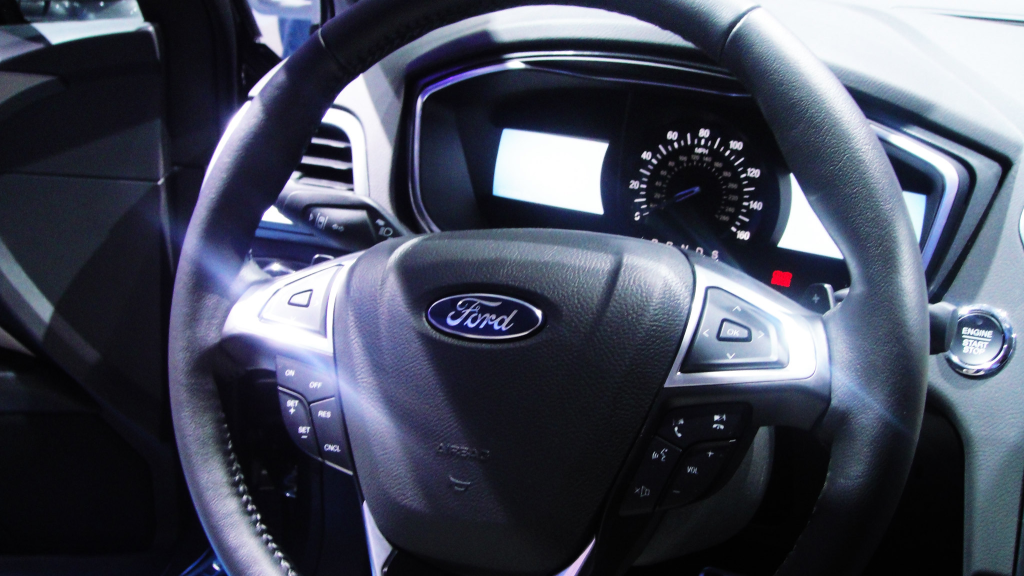
Did a Power Steering Assist Fault message appear on the dashboard of your Ford Explorer? Like most other messages that might pop up on your dashboard, this isn't something you'll want to ignore. Your Ford Explorer has a power steering system in it that's designed to help you steer it in the direction you want to go. If this message shows up on your dashboard, it means something is going wrong with this system, meaning you could lose the ability to steer your SUV with ease sometime soon. This could put your safety at risk. So, what should you do if you see the Power Steering Assist Fault message appear? There are several steps you can take to try to remedy this situation. Learn more about them below so this message can disappear once and for all. more Schedule Service Service Center Ford Mobile Service Call Us! Add Power Steering Fluid When did you last replace the power steering fluid in your Ford Explorer? Generally speaking, you'll want to do this every 50,000 miles or so. If you don't replace it, you may start to see power assisted steering problems and your power steering fluid may fail to work as effectively as it should. This can lead to the Power Steering Assist Fault message appearing. You'll also want to look out for dramatically dropping power steering fluid. This may happen if you leak into your power steering system. You'll need a mechanic to look at your Ford Explorer if you suspect you might have a power steering fluid leak. They'll be able to fix the problem so that the Power Steering Assist Fault service required message in your Explorer goes off and, more importantly so that your power steering system starts working like it's supposed to again. Replace a Bad Steering Angle Sensor You'll find a steering angle sensor behind your Ford Explorer's steering wheel. It's in charge of keeping tabs on when you're turning your steering wheel and how much you're turning it. There's a chance this sensor might go bad at some point and cause major issues with your power steering system. This will result in the Power Steering Assist Fault message appearing in your Ford Explorer. Outside of causing steering troubles, a bad steering angle sensor can also lead to traction issues in your Ford Explorer. For this reason, you'll want to replace a bad steering angle sensor in your Explorer immediately. Schedule a Wheel Alignment When you see the Power Steering Assist Fault message in your Ford Explorer, you might not immediately worry about your wheels and whether they're properly aligned. But if your vehicle is constantly pulling to the right or left when your steering wheel is straight, it likely means you have an alignment problem on your hands. This can cause the Power Steering Assist Fault message to appear because your vehicle thinks there's something wrong with your power steering system when, in reality, it's your wheels that are the problem. Get Rid Of a Blown Fuse There are fuses in your Ford Explorer's fuse box responsible for your power steering pump and other components in your power steering system. If one of these fuses ever goes bad, it could lead to the Power Steering Assist Fault message lighting up on your Explorer's dashboard. Replacing a blown fuse is one of the cheapest fixes for this problem. You'll be lucky if it's the only thing you need to do to get your Power Steering Assist Fault message off. Fix an Electrical System Fault Your Ford Explorer has a complex electrical system to power all the electrical components. You might find that your Explorer's electrical system shows wear and tear as your SUV ages. If everything else with your power steering system appears to be working properly, you might want to have a professional inspect the electrical system. It won't always be easy to diagnose a problem related to your power steering system in your electrical system, but it could uncover what's wrong with it. It's worth noting that a bad battery could also be to blame for electrical problems in your Ford Explorer. Replacing it could work wonders for your SUV's power steering system and other systems. Swap Out a Bad Belt Many power assisted steering systems include belts connecting them to Ford Explorers' engines. If you hear strange sounds when you turn your vehicle, it could indicate that this belt is going bad. It could also lead to the Power Steering Assist Fault message in your Explorer turning on. In this case, you'll need to repair your power steering system by replacing a bad belt with a brand-new one. Install a New Power Steering Pump The power steering pumps in power steering systems are durable and shouldn't present too many problems over time. But suppose a power steering pump ever goes bad. In that case, it'll make it impossible for your power steering fluid to circulate, resulting in the Power Steering Assist Fault message appearing on your dashboard. Replacing a power steering pump isn't a job you'll be able to do yourself. You should drive your Explorer to a trusted Ford service center for assistance. Do You Need Help With a Power Steering Assist Fault? If your Ford Explorer's Power Steering Assist Fault message has come on, but you've had no luck troubleshooting the problem, Brewster Ford in Brewster, New York, would love to provide you with the help you need. Bring your vehicle down to our service center. We'll give your Ford Explorer a thorough check-up and find out the cause of the power assisted steering problems so that we can make the proper repairs and get the Power Steering Assist Fault message to turn off. Be sure to keep an eye on your Ford Explorer service schedule and contact us or call us at (845)205-7019 today to make a service appointment for your Ford Explorer. Photo Credit: Ford Fusion steering wheel by Yahya S. is licensed with CC BY 2.0

Checking your transmission fluid

How to Check Your Transmission Fluid

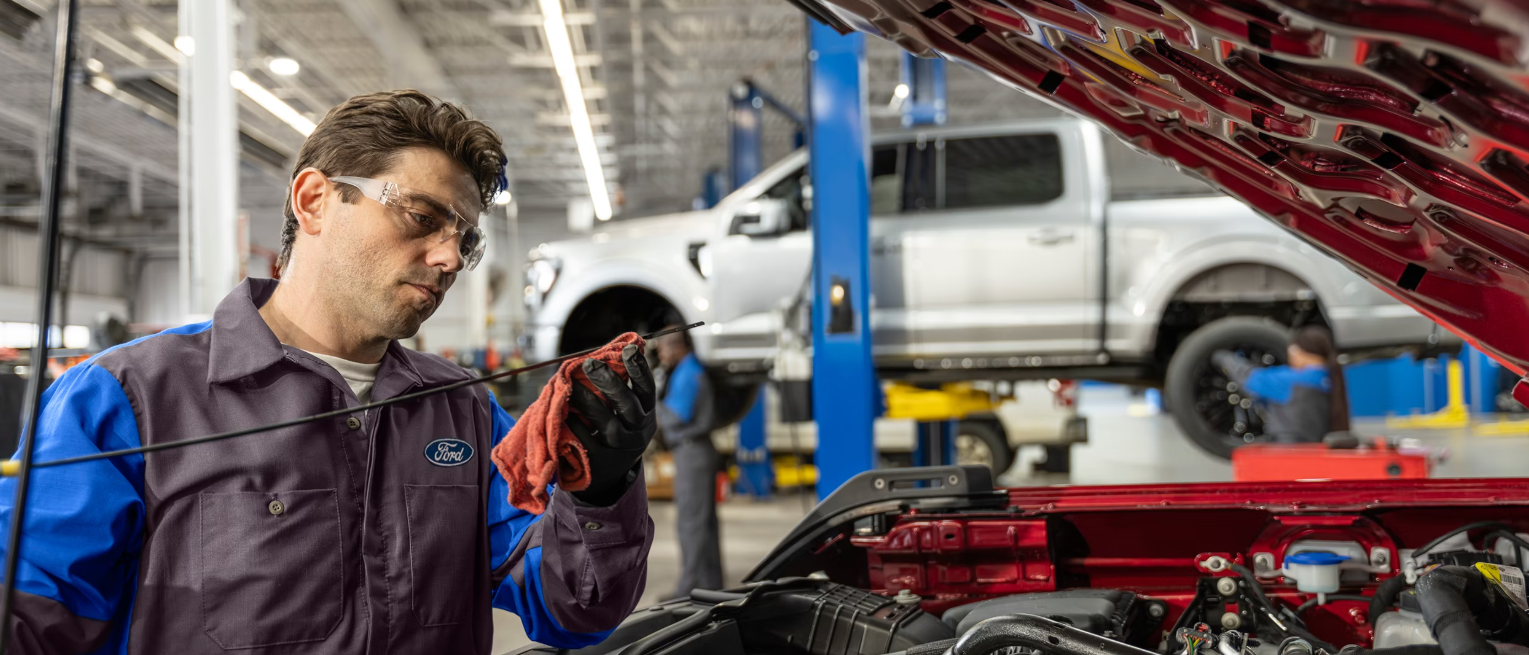
You probably understand how important it is to check your oil and change it regularly. You may not realize that it's just as important to check your transmission fluid. If you don't keep a close eye on it, you might find yourself in a position where it's either very low on it or even completely out. That's why you should make it your mission to check your transmission fluid occasionally. We should point out that many modern-day vehicles have sealed-for-life transmissions, which means you can't access the transmission fluid. Luckily, the highly trained and professional team at Brewster Ford's service center will be able to work on your transmission for you. Today, we will explain why your car must always have the right amount of transmission fluid in it. We'll also discuss how to check your transmission fluid level without much effort. Finally, we'll tell you what you should do when it's time to replace your transmission fluid. Keep reading to get the information you need. Why Is Transmission Fluid Important? The oil you put into your car's engine lubricates all its parts and keeps them working as they should. It also keeps your engine cool while your car is running. Transmission fluid does the same thing for your car's transmission. It'll lubricate all the different bearings and other moving metal parts within your transmission and prevent them from getting too warm. You shouldn't drive around in your car with low transmission fluid. Without enough transmission fluid in your vehicle, it could seriously damage your transmission and result in costly repairs. It could even force you to part ways with a car ahead of schedule simply because you didn't take the time to check on your transmission fluid. What Can Happen If You're Low on Transmission Fluid or Run Out of It? If your car is low on transmission fluid and you continue driving it around, you might not notice any changes right away. But it won't take too long before you see signs that your car doesn't have enough transmission fluid. Here are several signs that should be on your radar: Trouble shifting from one gear to the next. Slipping or jumping gears. Acceleration delays. Strange grinding sounds. Eventually, you might also experience total transmission failure. If things get to this point, you'll have no choice but to replace your entire transmission or consider getting a new car altogether. How Often Should You Check Your Transmission Fluid? When it comes to your car's oil, you should check it about once a month to see where it stands. While doing so, you should also check your transmission fluid to ensure it's acceptable. You might be able to get away with doing it less often, but it's always better to be safe than sorry. The last thing you want to do is put off checking your transmission fluid for months on end and pay the price for it. How Do You Check Your Transmission Fluid? We will give you a basic breakdown of the steps needed to check your transmission fluid. But before doing that, we want to emphasize that you should always refer to the owner's manual for your specific vehicle before checking your transmission fluid. It'll provide you with valuable information, such as the location of your transmission fluid dipstick. It might also give you more in-depth instructions on checking the transmission fluid in your particular make and model car. Generally speaking, you'll take the same steps when checking the transmission fluid in most vehicles. Here are the steps you'll need to take to see how much transmission fluid is in your car at any given time: Park your car on a level surface and pop the hood. Look for the dipstick for your transmission fluid (it should have a transmission symbol to differentiate it from your oil dipstick). Start your car and allow it to idle. Remove the dipstick for your transmission fluid, wipe it off with a clean rag, put it back into place, and remove it again. See where the transmission fluid lands on the dipstick (there are typically "full," "low," and "fill" lines that will be on it) Look at what color your transmission fluid is (It should be reddish-pink and not a dark brown or black color). Put the dipstick for your transmission fluid back and close the hood of your car. What Should You Do If Your Transmission Fluid Is Low? If you check the transmission fluid in your car and find that it's low, this usually indicates that you leak. In that case, you'll want to do more than add transmission fluid to it. You will want to schedule a vehicle transmission service so a mechanic can determine what's happening. They should be able to pinpoint the source of a transmission fluid leak and fix it so that you can return your transmission fluid to the required level. Contact Us To Schedule Transmission Service for Your Vehicle Did you recently check your transmission fluid and discover it's on the low side? Or did you check it and find it's darker than it should be? Either way, Brewster Ford can help you get to the bottom of your transmission troubles. Get in touch with us today to schedule transmission service at our state-of-the-art service center on Route 22 in Brewster, New York. If your transmission is beyond repair or you simply decide it's time to purchase a new vehicle, check out our online inventory to find the perfect replacement. Photo Credit: transmission dipstick 1 by schwartz.mark is licensed with CC BY 2.0

Ford Tires - Tire Rotations

How Often Should You Rotate Your Tires?

The tires on your Brewster, New York, vehicle can influence steering, acceleration, and braking. Tire rotation moves tires from wheel to wheel to help prevent wear. It can extend the life spans of your tires, keep them performing well for a longer time, and improve safety for you and your passengers. Here's more information about the benefits of tire rotations, how often you should rotate your tires, and signs that you might need a tire rotation. What Are the Benefits of Tire Rotations? Tire rotation is part of regular maintenance for cars, trucks, and SUVs. Since the front tires turn when you turn the steering wheel, they usually wear faster than the rear tires. With most vehicles, the engine is in the front as well. This makes the front part of the vehicle heavier and contributes to tire wear. Regular tire rotation can help prevent wear and keep your vehicle maneuverable and responsive. It can increase your comfort and help give you and your passengers a smooth ride. Rotating your tires can also prevent dangerous blowouts and alignment or balancing issues. It helps tire treads stay in good condition, and the higher traction keeps fuel efficiency at its best. It also helps prevent hydroplaning on wet roads, losing traction on gravel, or slipping on ice. Rotating your tires can also extend their life spans and help you save money on repairs. Without regular rotation, you could replace your front tires thousands of miles sooner than the back tires. Uneven tire wear can increase safety risks and make handling your vehicle tougher, especially in bad weather. When you rotate your tires regularly, you can save time when you're ready for new tires by buying and replacing four at once. Saving receipts for each tire rotation can help you keep many tire warranties valid. Many tire companies will pay for some or all of the cost of a new tire if a current one fails while still in warranty. However, they often require maintenance receipts to honor the warranty. If you use your vehicle for business, you can also use these receipts to deduct maintenance costs when you do your taxes. How Often Should You Rotate Your Tires? You should rotate the tires for most vehicles every 5,000 to 8,000 miles. You can find more specific recommendations from the manufacturer in your owner's manual. Many people have their tires rotated and get other types of tire service if needed simultaneously as an oil change. The professionals at Brewster Ford will also: Check your tires for damage. Check the air pressure and add air if needed. Measure tread depth and let you know if you need new tires. Rebalance tires to reduce vibrations if necessary. Rotate the tires on trailers. If you have a full-size spare tire with the same speed specifications and load capabilities as your other tires, keep it in rotation with your other tires. That way, it'll have about the same amount of wear as your other tires, and your vehicle will be safer and more maneuverable when you need to use your spare tire. You don't need to rotate temporary spare tires. They often have a T on the sidewall and are smaller and lighter than full-size tires. If you need a temporary spare tire, replace it with a full-size tire as soon as possible. What Are Some Signs Your Vehicle Might Need a Tire Rotation? Tire rotations are inexpensive; getting your tires rotated more often than the minimum amount won't harm your tires or vehicle. It's a good idea to go ahead and get a tire rotation if you notice any of these signs: Uneven Tire Wear The outer edges of your front tires often wear more quickly than your rear tires because of turning and the engine's weight. This is especially common with front-wheel-drive vehicles. It's a good idea to check your tires every few thousand miles and have them rotated if you notice uneven wear. Uneven tire wear can also lead to more vibrations or bumpiness when you drive. If the wear is too extensive, you may need to replace your front or all four tires. Low Tire Pressure Uneven tire wear can also cause a leak in a tire and low tire pressure. Most vehicles have a tire pressure monitoring system (TPMS) with a light in the driver information center near the speedometer and fuel gauge. If your TPMS light comes on, check your tire's air pressure or have a professional do it. Then, add more air if needed. Poor Traction and Hydroplaning Tire tread contains grooves to help channel away water, prevent hydroplaning, and stay in contact with the road, even in wet weather. Worn treads can lead to hydroplaning and poor traction, making steering and avoiding obstacles difficult. Driving with worn treads is especially challenging in snow, gravel, dirt, or mud. Excess Heat In dry conditions, the grooves between tire treads provide ventilation and help keep tire temperatures from becoming too high. Worn treads can lead to high tire temperatures, leaks, or dangerous tire blowouts. Tire Rotation Patterns There are several different patterns you can use to rotate your tires. With front-wheel drive, people usually choose a forward cross pattern. The rear wheels cross and become the new front wheels, and the old front wheels become the new rear wheels. A double-X rotation pattern works with many vehicles. It switches the right tires with the left and the front tires with the back tires. Four- and rear-wheel-drive cars, trucks, and SUVs often use a rearward cross pattern. The rear tires go straight to the front, and the front tires move to the back and the opposite sides. For your next tire rotation, contact us at Brewster Ford. We're a certified Ford auto service center, and our expert technicians have many years of experience. Our service department is open on weekdays from 7:30 a.m. to 5 p.m. Photo Credit: Image by jofo2005 is licensed with CC BY-ND 2.0

What Is A Manual Transmission? | Advantages of Manual Transmission

What Is A Manual Transmission?

If you're searching for a new vehicle, you have many options for transmissions. Your options may include manual, continuously variable, and automatic transmissions, each with different benefits. In this article, we'll discuss what a manual transmission (MT) is and examine the benefits of equipping your car with one. When you're ready to drive a new Ford car, SUV, or truck, stop by Brewster Ford in Brewster, New York. What Is a Manual Transmission? An MT, a standard transmission or a manual gearbox, is a multi-speed motor vehicle transmission system that lets you choose between different gear ratios to operate the vehicle. A lower gear offers more torque at the vehicle's wheel but less speed, whereas a higher gear ratio offers less torque but more speed. Manual Transmission vs. Automatic Transmission An MT relies on you to use the gear and clutch to accelerate. An automatic transmission, however, changes to different gears on its own rather than you having to make the adjustments yourself. Most car MTs allow you to choose any gear ratio at any time. For example, you can shift from second to fourth gear or from fifth to third gear. However, sequential MTs, typically used in racing cars and motorcycles, only allow you to choose the next-lower or next-higher gear. Benefits of Manual Transmission Vehicles Here are some of the benefits of owning a manual vehicle: Better Gas Mileage Owning a manual vehicle comes with better gas mileage, possibly increasing fuel efficiency by around 55 to 10%. Although most automatic cars manufactured today are more fuel-efficient, manual vehicles give you more authority over how much you want to save without compromising on either performance or the driving experience. An automatic vehicle has a torque converter and a hydraulic pump, likely increasing fuel consumption. On the contrary, a manual vehicle offers better gas mileage, as you can efficiently control the engine's revolutions per minute by keeping it low while still being able to upshift. You can improve your gas mileage according to your driving style. Cheaper To Buy A manual vehicle from Ford dealers in your area will likely be around $1,000 cheaper than its automatic counterpart. Certified pre-owned vehicles that have an MT are likely to sell for even cheaper. Whether you choose a Ford Bronco, Ford Mustang, or Ford Ranger, the manual versions of these vehicles are less likely to sell compared with their automatic counterparts. Many people today don't know how to drive a vehicle with an MT, making these options cheaper since dealerships need to get them off the lot. More Power An automatic transmission is designed to shift in a basic way that doesn't use all its engine's power. This is fine for the average driver, but more serious drivers prefer an MT to take advantage of the engine's power thanks to more exact and specific transmission shifts. This can also help increase the fuel economy of the vehicle. More Control and Fewer Distractions You have more control over the behavior of your vehicle's gearbox, making the driving experience more enjoyable for you due to the responsiveness and control it gives you. It's important to listen to the engine whenever you drive a manual vehicle since the downshifts and upshifts are up to you. Shifting an automatic transmission can be reasonably unpredictable, as it relies on the computer and torque converter to shift gears. Notably, most newer vehicle models have paddle shifters that create the simulated ratio for choosing gears. Controlling the clutch, however, is not possible. A stick shift provides you with more than just transmission. An MT greatly increases your control regarding braking, as you can control the clutch, which proportionately distributes the torque necessary. Cheaper To Maintain Whether used or brand new, a manual vehicle is often cheaper than an automatic one for repairs and maintenance. Several things can go wrong in an automatic due to a transmission failure. An automatic may be efficient, but if you consider the problems resulting from additional sensors, machinery, technology, and electrical parts, these could potentially equal more repair costs. An MT, on the other hand, is simple. The most common issue you'll have with a manual is the clutch. A clutch can last for hundreds of thousands of miles or several years. This simplicity in stick shift vehicles comes with minimal repair and maintenance costs. If you suspect your Ford's transmission is not performing properly or have any queries about preventive transmission maintenance, contact us. We at Brewster Ford have Ford-certified technicians who provide quality service, repair, and maintenance. With many years of experience, our technicians have completed advanced training and are confident working on any Ford model you own. Less Likely To Get Stolen Since automatic vehicles came to the market, people have overlooked how to drive a manual. There are now more automatics on the roads than you can imagine, and many people today have no idea how to drive manual vehicles. A vehicle with an MT could deter any car thief intending to steal your vehicle due to a lack of familiarity. While it may not be an issue, they will probably rethink driving it. This perception can easily discourage someone from borrowing or stealing your vehicle. Self-Starting With a manual car, you don't need to depend as heavily on the battery to start the vehicle. This can be very helpful if your vehicle's battery is weak and there's no one around to jump-start your vehicle. You can give the vehicle a rolling start — once you are moving, you can put the vehicle in gear and release the clutch, which should start. Learn More About Transmissions at Brewster Ford Consider visiting our dealership if you'd like to test-drive a Ford model with an MT. We are located at 1024 Route 22, Brewster, New York. Our highly trained sales team is ready to walk you through the available transmissions of various Ford models. Please stop by to find out how our finance center makes the car loan process stress-free, or reach out to us online with any questions. Photo Credit: Image by Sven D is licensed with Unsplash License

Technician performing Oil Change in Carmel, NY

How Long Do Oil Changes Take?

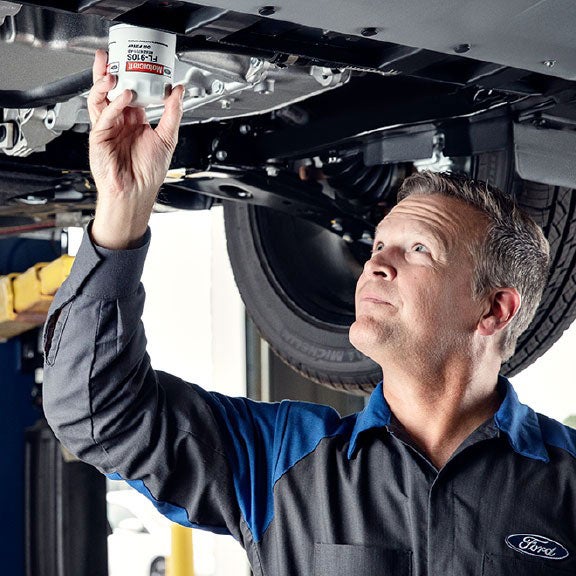
It's impossible to discuss vehicle maintenance without mentioning oil changes. An oil change is crucial to your vehicle's long-term performance. Some vehicle owners may turn the other way when this topic arises because they don't understand how the service works. Our team at Brewster Ford is here to clear up any confusion you may have. Below, you can learn everything about oil changes, including how long they usually take, the frequency for one, why they're important, and how to get one at Brewster Ford. How Long Do Oil Changes Take? The time it takes to change a vehicle's oil can depend on several factors. For example, you can first consider who's conducting the oil change. If you're doing it yourself and have never done so before, it can take up to an hour or longer to complete the process accurately. While it's possible to change your engine oil yourself, you can save a lot of time and hassle by recruiting a professional's services to complete this maintenance task. You can bring your vehicle for an oil change to a quick change shop or a dealership's service center. At a quick change shop, the employees specialize in performing oil changes. Because that's all they do every day, they often work quite efficiently. You may be able to get your oil changed in as little as 15 to 30 minutes. Your other option is to visit a dealership's service center. Here, you can get a similar level of quality, as the employees complete oil changes regularly. However, you may expect to wait anywhere between 25 and 45 minutes at a dealership's service center because this service isn't the only one on employees' to-do lists. You may also have to wait longer at a service center because of the inclusion of other services, like a complimentary brake check. Another factor to consider when determining how long an oil change takes is the type of vehicle you drive. Some cars have easy-to-access oil filters and drain plugs on the bottom of the vehicle. Other vehicles may have these components in less accessible places, making it more time-consuming to complete an oil change. Why Are Oil Changes Important? Here are some reasons to prioritize engine oil changes when they're due: Oil Changes Promote Engine Efficiency When you get regular oil changes, you may notice that your engine works more efficiently. This means that you can travel more miles for every gallon of gas you put into your vehicle. Your engine won't have dirt and other particles that could otherwise cause it to chug along rather than operate at its prime. Oil Changes Prolong the Life of Your Engine Dirty oil increases friction within your vehicle's engine. Less lubrication can cause engine components to rub against each other and result in faster wear and tear. Regular oil changes can prolong the life of your engine and decrease the friction that's present, which means your engine won't be as prone to overheating. Oil Changes Can Help You Pass Emissions Tests Some states, including New York, require drivers to submit their vehicles for an emissions test. An emissions test ensures your vehicle's greenhouse gases fall within state limits. When you get your engine oil changed regularly, you don't have to worry about your engine's performance falling behind modern standards. What Is the Suggested Frequency for an Oil Change? You might have heard the advice to get an oil change whenever your vehicle travels 3,000 miles. Although this advice was applicable in the past, advancements in oil quality and engine performance have made this rule obsolete. You no longer have to change your engine oil as frequently. While too-frequent oil changes won't hurt your engine, they will waste money and resources. In general, it's good practice to change your oil every 7,500 or 10,000 miles. Depending on how frequently you drive, you may have to get an oil change every six to 12 months. Remember that these frequencies are general guides to show you how frequently you may need to get an oil change. Refer to the owner's manual for your vehicle for the most accurate oil change schedule to follow. If you've misplaced your owner's manual or want confirmation that you're following the correct oil change schedule, contact us at Brewster Ford. Stop by our service center so our team can evaluate your vehicle's condition, model, and year to recommend the appropriate oil change frequency. What Does a Repair Technician Do During an Oil Change? A repair technician begins an oil change by removing your vehicle's oil pan to let the old oil drain out of your vehicle. Then, they'll replace the old oil filter with a newly lubricated one. Finally, they'll replace the oil pan and pour the new oil. A service technician will pour in the oil type your vehicle's owner's manual recommends. Different oil types have different viscosity grades and service ratings, so your service technician will make the appropriate choice for your vehicle type. Does Brewster Ford Offer an Express Program? Brewster Ford offers something called The Works. This program ensures you get your oil change done, but it comes with so much more than that. Other services included with The Works are: Belts and hoses check. Filter check. Battery test. Fluid top-offs. Comprehensive vehicle checkup. Brake inspection. Tire rotation and tire pressure check. Our team at Brewster Ford in Brewster offers these services alongside an oil change to ensure your vehicle is in tip-top shape. We want to get you back on the road so you can embark on any adventure with the peace of mind you deserve. Feel free to read our customer testimonials to see how we've delivered quality service. How To Schedule an Oil Change at Brewster Ford Here at Brewster Ford, it's easy to schedule an oil change. Simply fill out our online form, which requests information on your vehicle's make, model, and year. One of our service technicians will get back to you so we can schedule an appointment efficiently. Visit our oil change page for more information on this essential vehicle maintenance service. You can also contact our team to ask any questions you may have or get clarification on what we can do for your vehicle's longevity. Photo Credit: Pouring Oil to Engine by Daniel Andraski is licensed with Pexels License

Contact Us

Fill out this form below and we'll contact you shortly
*Required Fields