
Blog / Service Tips

Benefits of Choosing Ford OEM Parts

Ford OEM Parts

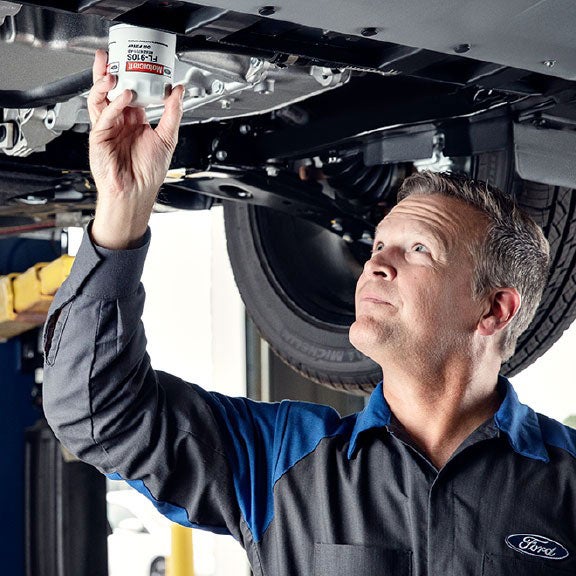
Choosing the right auto parts for your car, truck, or SUV saves money and avoids stress about vehicle issues. When buying new brake pads or other components for your Ford, it's best to choose genuine parts. Ford original equipment manufacturer (OEM) parts have much better quality and durability than their aftermarket competitors, and they can give you outstanding performance. Our team at Brewster Ford has listed some key information about the differences between aftermarket and OEM parts, the advantages of choosing genuine, and the issues aftermarket components could cause.

Aftermarket vs. OEM Parts

Aftermarket parts come from third-party manufacturers, and they're designed to replace OEM components. They're usually cheaper than OEM parts and may be more easily available. However, Ford OEM parts are designed especially for Ford vehicles.

Ford doesn't make all OEM parts, but the company approves ones made by other manufacturers. These are the same parts used when Ford vehicles were assembled, so you won't have to worry about compatibility. Your insurance company can't require you to choose a particular component for repair after an accident, but it can ask you to pay the difference if the OEM version you want is more expensive than an aftermarket option.

The Advantages of OEM Parts

With OEM parts, you don't need to make adjustments to get a better fit, and they are also more durable than aftermarket options. They could be more expensive than the aftermarket versions, but they can save you money over time by reducing the risk of costly repairs or part replacements. In fact, there are multiple additional benefits to using OEM parts.

Protection for Your Warranty

Using genuine Ford parts for general maintenance or repairs protects your vehicle's warranty. Most new Fords have a three-year general warranty and a five-year powertrain warranty. Ford OEM parts have an additional two-year unlimited-mileage warranty. New, genuine Ford gas engines and transmissions get another year, meaning they last for three years with unlimited mileage. With OEM spark plug wire sets, you'll get a lifetime warranty.

If any defective components or manufacturing issues cause problems, the warranty for your vehicle or OEM parts will cover repair costs. However, installing aftermarket instead of OEM parts could void your vehicle's warranty and leave you responsible for all repair costs. Extended warranties are available with gas, electric, or hybrid Fords, and they can last much longer than the standard warranties for OEM parts.

Thorough Inspections

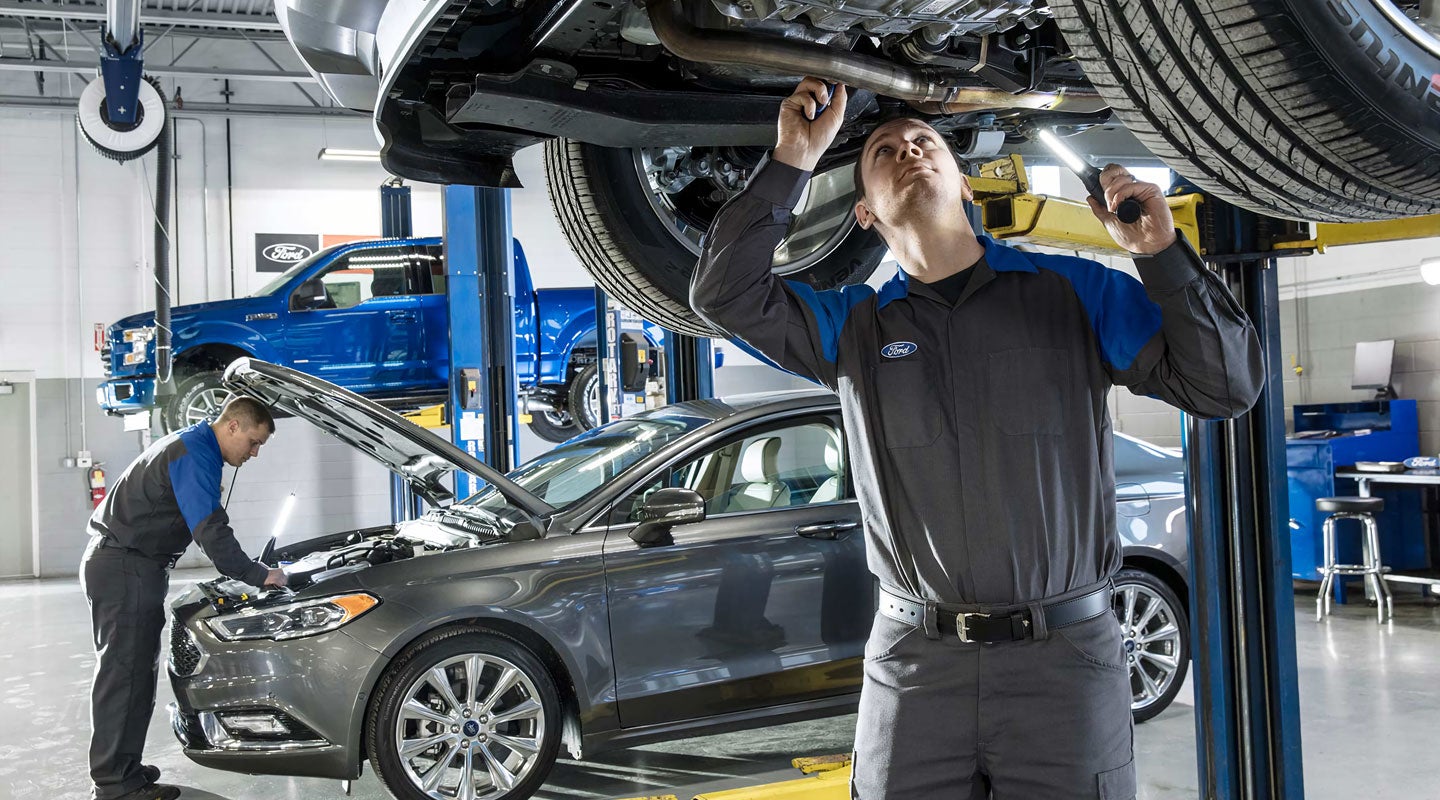
Ford inspects OEM parts before selling them. Then, before installation, our technicians at Brewster Ford look at each component to ensure it is made to fit your Ford model. Our professionals are well-trained, and we provide outstanding service.

Maintained Value for Your Ford

It's a good idea to keep detailed records of any repairs and maintenance you do to your vehicle. If you decide to sell or trade it in, you can often set a higher price by showing potential buyers your maintenance records and letting them know you chose genuine OEM parts. They are better quality than aftermarket options, and manufacturers don't attempt to increase profits by cutting costs.

Many people prefer OEM parts because they last longer and they can maintain your vehicle's outstanding performance. Ford OEM parts use top-grade materials, and since they rarely fail, they're safer and more reliable than aftermarket components.

Help From Experienced Technicians

When you buy aftermarket parts, you have to search through a huge selection of many vehicle brands. An expert here at Brewster Ford can help you choose the right OEM part for your car, truck, or SUV. They can also install it for you. In many cases, there's only one OEM option to replace a particular component, so having repairs or maintenance completed with genuine Ford parts is convenient and quick.

FordPass Rewards

FordPass Rewards offers points for Ford Parts Center purchases through the program's mobile app or Visa card. You can also build up points from dealership purchases, tolls, monthly car insurance payments, parking, and maintenance. These points can give you substantial discounts at Brewster Ford. You can use them for Ford service, OEM accessories, or some of the down payment on your next new Ford. When you earn enough points to reach Ford's Blue Tier, you'll get a 10% bonus on the points you earn after that. We also offer parts specials on some OEM components.

Possible Issues With Aftermarket Parts

There are many aftermarket parts available, and you need to spend hours or days doing research to find the right one that's suitable for your vehicle. While the makers of many aftermarket components focus on low prices, the manufacturers of OEM parts prioritize quality. Some aftermarket components have warranties, but they're usually not as long as those for Ford OEM parts. Since aftermarket parts aren't made only for Ford, they may not meet the exact specifications of your vehicle — this means they're more likely to fail.

Modifying your Ford with aftermarket parts can lead to various problems. If an aftermarket part or accessory fails after you sell your vehicle, you could be liable for any damages or injuries. Many aftermarket components don't meet the same standards and requirements as OEM ones, so they're not as safe or reliable. If you use an aftermarket version to replace a part of your vehicle's body or bumper, it may not match well. In contrast, the appearance and performance of OEM parts are just like the originals, so your vehicle can still look excellent after repairs, upgrades, or maintenance.

For the Best Quality, Choose Ford OEM Parts

You can order OEM parts online, call us, or visit us in person. Our service and parts departments are open from 7:30 a.m. to 5 p.m. on weekdays. We're a family-run business that started in 1972, so we have the experience to help you use OEM parts to keep your Ford in outstanding shape. We can also help you buy or lease a new Ford car, truck, or SUV. Our goal is customer satisfaction, and our many excellent staff members are happy to serve new and returning customers.
Posted in:

Related Posts

Ford Transmission Service

When Does Your Ford Need a Transmission Service?

Your transmission is one of the hardest-working components in your Ford. It handles every gear shift, moves power from the engine to the wheels, and keeps everything smooth whether you're climbing hills around Brewster or crawling through stop-and-go traffic on Route 22. When something starts going wrong, you'll usually feel it before any warning light ever comes on. Trust that instinct. You can schedule a transmission service appointment with our team at Brewster Ford, or keep reading to understand exactly what to watch for and when to act. This guide covers the warning signs, service intervals, and what actually happens during a Ford transmission service, so you can stay ahead of problems before they get expensive. more Warning Signs Your Ford Transmission Needs Service Transmission problems rarely appear out of nowhere. They build gradually, which gives you time to catch them early. The sooner you act, the less damage you're dealing with. Shifting Problems: Slipping, Hesitation, or Rough Gear Changes How your Ford shifts is one of the clearest indicators that something needs attention. A one-to-two second pause before the car moves after shifting into Drive, unexpected slipping between gears, or a hard jolt during a gear change are all red flags. Gear slipping in particular can point to internal wear, low fluid, or a failing clutch pack. You might also notice the engine revving higher than normal without any real increase in speed. Rough or delayed shifts on an F-150, Escape, Explorer, or any other Ford model shouldn't be chalked up to quirks. That's your vehicle telling you something is off. Unusual Noises, Smells, or Fluid Leaks A healthy transmission runs quietly. Grinding, buzzing, clunking, or a persistent whine during acceleration often points to worn bearings, low fluid, or internal damage. A burning smell is another serious signal. It usually means the transmission fluid is overheating, which happens when the fluid breaks down or drops too low to do its job. Fluid leaks deserve immediate attention. Transmission fluid is typically red or pinkish, so puddles under your parked Ford are hard to miss. Running low on fluid can cause severe damage fast. Dashboard Warning Lights and What They Mean Modern Fords use a range of sensors to monitor transmission health. If you see a transmission warning light or a message like "Transmission Fault Service Now," don't ignore it. Even a general check engine light can sometimes trace back to a transmission-related diagnostic code. A factory-trained technician can run a full diagnostic and pinpoint the issue quickly, which beats guessing every time. How Often Should You Schedule Ford Transmission Service? Staying proactive is what keeps a Ford reliable over the long haul. Knowing the service interval for your specific model is one of the simplest ways to protect a major investment. Recommended Intervals by Model Ford transmission service intervals vary by model, transmission type, and driving conditions. The table below is a quick-reference guide to help you locate your vehicle. Always confirm the exact interval with your owner's manual or our service team, since recommendations can shift by model year. Model Transmission Type Recommended Fluid Standard Service Interval Notes F-150 Automatic (10R80) MERCON ULV First change at 30,000 mi; then 150,000 mi (normal) Severe duty: every 50,000–60,000 mi Explorer Automatic (10R60/80) MERCON ULV (2020–2025) First change at 30,000 mi; then 150,000 mi (normal) Severe duty schedule applies Escape Automatic MERCON LV (2016–2019, 6F35N); MERCON ULV (2020–2025, 8F24/35/40) Per owner's manual; check at 30,000 mi Consult model-year-specific manual Mustang Manual / Automatic MERCON ULV (10R80 auto, 2018–2025); MERCON LV (6R80 auto, 2016–2017); refer to manual (manual trans) Varies by transmission type Manual trans fluid check recommended periodically Transit Automatic MERCON ULV First change at 30,000 mi; then 150,000 mi (normal) Commercial/work use = severe duty schedule Severe Duty Conditions If your driving regularly involves frequent towing, heavy hauling, extended stop-and-go traffic, extreme heat or cold, or hilly terrain, the 50,000–60,000 mile interval is the more appropriate benchmark for your Ford. For drivers in and around Brewster using their vehicle for work, recreation towing, or winter commuting, this is worth factoring into your maintenance plan. The standard interval is designed for average conditions, and a lot of us in northern Westchester County drive in anything but average conditions. One thing worth knowing: many newer Ford models use sealed or semi-sealed transmission systems without a traditional dipstick. Checking fluid on these vehicles requires professional equipment, which makes a regular service visit more important than ever. How Driving Around Brewster Can Affect Your Ford's Transmission Northern Westchester County isn't easy on a drivetrain. The hilly terrain around Brewster puts a sustained load on your transmission during every climb and descent. Route 22 and the roads feeding into it bring stop-and-go commuter traffic, which creates repetitive heat cycles your transmission has to manage. Add in weekend towing to nearby lakes and recreational areas, and the cumulative strain adds up quickly. The seasonal extremes common to the Hudson Valley are another factor worth considering. Cold winters temporarily thicken transmission fluid, while hot summer days push fluid temperatures up. Ford owners in the area may find their vehicles benefit from slightly more frequent service than the standard schedule suggests, particularly if they're towing, commuting on hilly roads, or dealing with regular temperature swings. What's Included in a Ford Transmission Service? A proper transmission service is more than a fluid top-off. When you bring your Ford to us, a technician will inspect the transmission pan and gasket, replace the transmission filter, and refill the system with the correct Ford-approved fluid to the proper capacity. We'll also check for leaks throughout the system and assess overall transmission condition. Fluid Change vs. Flush: Which One Does Your Ford Need? A fluid change drains the fluid from the pan, though some fluid stays behind in the torque converter and cooler lines. A flush pushes new fluid through the entire system, clearing out old and contaminated fluid from every part of the circuit. It's more thorough, and it's sometimes the right call when fluid is significantly degraded or a vehicle has high mileage. A fluid change is the standard go-to for routine maintenance. A flush makes sense for heavily contaminated systems or situations where more thorough clearing is needed. At Brewster Ford, our recommendation is always based on your specific vehicle's condition. If you'd like to learn more about what we offer, visit our Ford transmission service in Brewster, NY page. Why Catching Transmission Issues Early Can Save You Money A transmission service visit might feel like an expense you can push off. The math usually tells a different story. A routine fluid change is a manageable cost. A full rebuild or replacement is an entirely different conversation, often running into thousands of dollars depending on the model and extent of the damage. Small issues compound when left unaddressed. Contaminated fluid accelerates wear on gears, clutch packs, and bearings. A developing leak quietly gets worse. What could have been resolved with preventive maintenance becomes a major repair. Factors that influence total service cost include the type of service needed, the fluid specification your model requires, and whether any worn components need attention. Staying current with scheduled service at a Ford dealership is simply the more economical choice. Bring Your Ford to Brewster Ford for Transmission Service Why Choose Brewster Ford Transmission work isn't something you want to leave to chance. At Brewster Ford, our factory-trained technicians know Ford vehicles specifically, use genuine Ford-approved fluids and parts, and follow manufacturer guidelines from start to finish. We serve the communities of northern Westchester County as the only dedicated Ford store in the Volz Auto Group, and we take that responsibility seriously. Whether you're coming in for a routine fluid change, a full flush, or a diagnostic check after a warning light, we're equipped to handle it correctly and get you back on the road with confidence. Schedule Your Appointment Scheduling is simple. You can book your service online or reach our service department directly at 845-205-7086. We're open Monday through Friday from 7:30 AM to 5 PM and Saturday from 8 AM to 3 PM. Find us at 1024 Route 22, Brewster, NY 10509. If your Ford is due for service or showing any of the signs covered here, don't wait. Getting ahead of transmission problems is always less costly than reacting to them. Frequently Asked Questions About Ford Transmission Service How do I know if my transmission fluid is low? Low fluid often shows up as delayed shifts, slipping gears, or a burning smell. Since many newer Ford models use sealed transmissions without a dipstick, the most reliable way to check fluid level is during a professional service visit. Can I drive with a slipping transmission? We strongly recommend against it. Driving with a slipping transmission accelerates internal wear and can turn a manageable repair into a much more costly one. If you're experiencing slipping, schedule service as soon as possible. Does my Ford have a sealed transmission? Many newer Ford models, including several F-150 and Explorer configurations, use sealed or semi-sealed transmission systems. These don't have a traditional dipstick and require professional equipment to check properly. If you're unsure whether your vehicle is sealed, our service team can confirm it quickly. Does towing shorten transmission life? It can, if the transmission isn't serviced on a schedule that accounts for the added stress. Towing generates more heat and puts more demand on fluid and internal components. If you regularly tow, the severe duty service interval applies to your vehicle, and keeping up with it is the best way to protect your transmission long-term. What factors affect the cost of a transmission service? Cost depends on the type of service performed, the fluid specification your model requires, and whether any additional components need attention. We don't quote prices here because variables differ by vehicle, but you can contact us or visit our transmission service page for an accurate estimate based on your specific Ford.

What Fluid is Leaking

Best Ways to Tell What Fluid is Leaking

Your car is a complicated machinery with many moving parts working simultaneously. It also needs many fluids to help it run smoothly, and sometimes they spill. Although finding a puddle underneath your car isn't the end of the world, you still need to identify and fix the leak before it becomes a serious issue. Keep reading to learn more about your car's fluids and find out how you can identify a leak's source. Auto Service Search New Inventory Overview of Common Vehicle Fluids Discovering which fluids your car uses is the first step when trying to tell which one is leaking. The fluids you'll find in most combustion-engine vehicles are: Engine oil: This is arguably the most important fluid in your car. It lubricates your engine's components and prevents them from overheating by reducing friction. Transmission fluid: Similar to engine oil, transmission fluid lubricates your transmission components and prevents overheating. Coolant fluid: Even a well-lubricated engine will eventually overheat. Your car's coolant absorbs excess heat and keeps your engine at a constant temperature. Brake fluid: Your braking system uses a special liquid to transmit the force you generate by pressing the brake pedal down to the brake pads or pistons. Power steering fluid: All modern vehicles have a special motor that makes it easier to turn the steering wheel. Power steering fluid keeps its components running smoothly. Windshield wiper fluid: Its name is pretty self-explanatory. Although windshield wiper fluid isn't as important as the other fluids, having a dirty windshield can be a major safety hazard. Identifying Fluid by Color and Consistency You can determine the source of your leak by analyzing the fluid. This is what each fluid looks like: Clear: If the puddle is clear, you probably have nothing to worry about. It's likely condensation build-up from your air-conditioning unit. Brown or black: The most probable source of a brown or black puddle is engine oil. Running out of oil can destroy your engine, so you better have someone look at it as soon as possible. Red or light brown: This is probably transmission fluid, red when new but tends to get darker as it ages. However, power steering fluid can have a similar color and texture, but you can tell which one is leaking by analyzing its location, which we'll get into a little later. Light yellow to light brown: This is most likely brake fluid. Although it can have a brownish color similar to power steering or transmission fluid, it has a different consistency and is more slippery. Bright red, green, orange, or blue: If the fluid is brightly colored, it's usually coolant. You can also tell by its watery consistency. Location of the Leak As you've noticed earlier, some fluids may have similar colors and textures. When this happens, the best way to identify it is by analyzing the leak's location. This quick guide can help you do that: Near the Front of the Vehicle If the puddle is near the front of your vehicle, it's probably engine oil. However, it could also be coolant or windshield wiper fluid. You can usually tell them apart by their color, as engine oil is darker than the other two. Also, windshield wiper fluid usually smells nicer than the coolant, making it easy to determine which one is leaking. Your Exhaust Pipe Most leaks from your exhaust pipe are usually due to water condensation and aren't concerning issues. However, it could also be coolant fluid. The latter is slightly thicker and brighter, distinguishing it from plain water. The Center of Your Vehicle If the leak is deeper underneath your vehicle, a probable source is your transmission fluid. It could also be the power steering fluid, and since the two are similar in color and texture, it can be challenging to determine which one is leaking. The power steering fluid reservoir is usually on the left side, so this may give you a clue regarding the leak source. Smell and Texture Tests If the puddle's color and location don't give you enough info to determine its source, its smell and texture may help. For instance, coolant usually smells sweet, while transmission fluid smells similar to gasoline. The latter is also very slippery. However, it's important to remember that some of these fluids may be toxic, so be careful not to ingest them when smelling or touching them. Checking Fluid Levels Determining your car's fluid level may vary depending on its make and model, but you can follow some general guidelines. You can probably check your engine oil by using the dedicated dipstick on your engine block. Take it out when the engine is cold, clean it, and put it back again. It should have some markings to help you determine its current level. Power steering, brake, and transmission fluids may have similar dipsticks or visible tanks with written measurements. Locate them underneath your hood and check their levels. The coolant tank also has a minimum and maximum level marker on it. It's important to check them regularly or have a mechanic do it, as it can keep your car running smoothly for a long time. When To Seek Professional Help You should immediately call a mechanic if you can't determine the source of the leak, even if you know which fluid is leaking. The issue may be a cheap hose or something similar, but if you don't fix it on time, it will probably become more difficult and expensive to fix. Have You Had Your Fluids Checked? Making sure your car has enough fluids to run smoothly can keep you away from unpleasant surprises and expensive repairs. If you notice a leak, looking professionally at it is the best way to proceed. At Brewster Ford, our experienced mechanics are trained to identify and fix fluid leaks. Contact us today to schedule a service appointment. Photo Credit: white and brown abstract painting by Jon Moore is licensed with Unsplash License

Checking your transmission fluid

How to Check Your Transmission Fluid

You probably understand how important it is to check your oil and change it regularly. You may not realize that it's just as important to check your transmission fluid. If you don't keep a close eye on it, you might find yourself in a position where it's either very low on it or even completely out. That's why you should make it your mission to check your transmission fluid occasionally. We should point out that many modern-day vehicles have sealed-for-life transmissions, which means you can't access the transmission fluid. Luckily, the highly trained and professional team at Brewster Ford's service center will be able to work on your transmission for you. Today, we will explain why your car must always have the right amount of transmission fluid in it. We'll also discuss how to check your transmission fluid level without much effort. Finally, we'll tell you what you should do when it's time to replace your transmission fluid. Keep reading to get the information you need. Why Is Transmission Fluid Important? The oil you put into your car's engine lubricates all its parts and keeps them working as they should. It also keeps your engine cool while your car is running. Transmission fluid does the same thing for your car's transmission. It'll lubricate all the different bearings and other moving metal parts within your transmission and prevent them from getting too warm. You shouldn't drive around in your car with low transmission fluid. Without enough transmission fluid in your vehicle, it could seriously damage your transmission and result in costly repairs. It could even force you to part ways with a car ahead of schedule simply because you didn't take the time to check on your transmission fluid. What Can Happen If You're Low on Transmission Fluid or Run Out of It? If your car is low on transmission fluid and you continue driving it around, you might not notice any changes right away. But it won't take too long before you see signs that your car doesn't have enough transmission fluid. Here are several signs that should be on your radar: Trouble shifting from one gear to the next. Slipping or jumping gears. Acceleration delays. Strange grinding sounds. Eventually, you might also experience total transmission failure. If things get to this point, you'll have no choice but to replace your entire transmission or consider getting a new car altogether. How Often Should You Check Your Transmission Fluid? When it comes to your car's oil, you should check it about once a month to see where it stands. While doing so, you should also check your transmission fluid to ensure it's acceptable. You might be able to get away with doing it less often, but it's always better to be safe than sorry. The last thing you want to do is put off checking your transmission fluid for months on end and pay the price for it. How Do You Check Your Transmission Fluid? We will give you a basic breakdown of the steps needed to check your transmission fluid. But before doing that, we want to emphasize that you should always refer to the owner's manual for your specific vehicle before checking your transmission fluid. It'll provide you with valuable information, such as the location of your transmission fluid dipstick. It might also give you more in-depth instructions on checking the transmission fluid in your particular make and model car. Generally speaking, you'll take the same steps when checking the transmission fluid in most vehicles. Here are the steps you'll need to take to see how much transmission fluid is in your car at any given time: Park your car on a level surface and pop the hood. Look for the dipstick for your transmission fluid (it should have a transmission symbol to differentiate it from your oil dipstick). Start your car and allow it to idle. Remove the dipstick for your transmission fluid, wipe it off with a clean rag, put it back into place, and remove it again. See where the transmission fluid lands on the dipstick (there are typically "full," "low," and "fill" lines that will be on it) Look at what color your transmission fluid is (It should be reddish-pink and not a dark brown or black color). Put the dipstick for your transmission fluid back and close the hood of your car. What Should You Do If Your Transmission Fluid Is Low? If you check the transmission fluid in your car and find that it's low, this usually indicates that you leak. In that case, you'll want to do more than add transmission fluid to it. You will want to schedule a vehicle transmission service so a mechanic can determine what's happening. They should be able to pinpoint the source of a transmission fluid leak and fix it so that you can return your transmission fluid to the required level. Contact Us To Schedule Transmission Service for Your Vehicle Did you recently check your transmission fluid and discover it's on the low side? Or did you check it and find it's darker than it should be? Either way, Brewster Ford can help you get to the bottom of your transmission troubles. Get in touch with us today to schedule transmission service at our state-of-the-art service center on Route 22 in Brewster, New York. If your transmission is beyond repair or you simply decide it's time to purchase a new vehicle, check out our online inventory to find the perfect replacement. Photo Credit: transmission dipstick 1 by schwartz.mark is licensed with CC BY 2.0