
Blog / Driving Tips

Blog

All Driving Tips Ford Models Local Tips Local Service Tips Ford Tips Local Restaurants Electric Vehicles Buying Tips Mustang Tips Community Events Local Cafes Used Car Buying Tips Brewster Used Cars
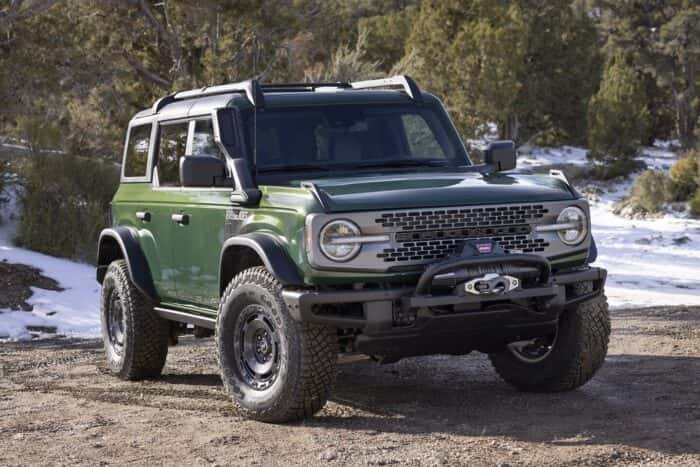
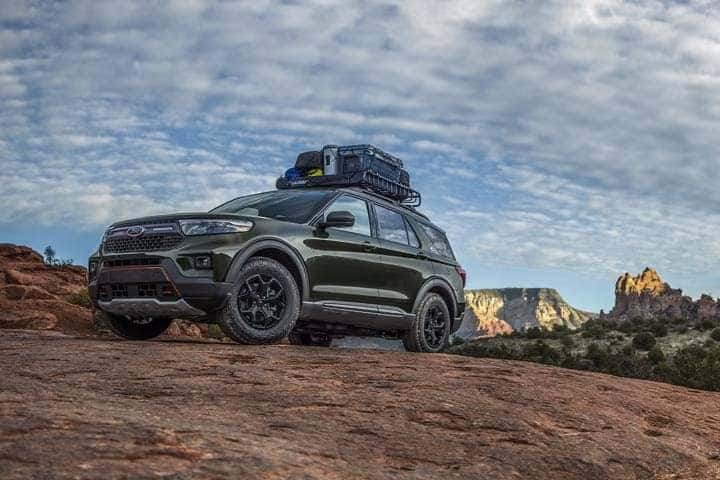
Green Ford Bronco parked on the rocks

Are Ford Broncos Reliable?

The Ford Bronco is back on the scene, winning over thrill seekers with its tough-as-nails design and off-road capability. If you've got questions about whether you can count on a Bronco for the long haul, our team at Brewster Ford cuts through the hype about this iconic ride's reliability record. more New Ford Bronco Inventory Used Ford Inventory Call Us! Ford Bronco Reliability: What You Should Know Since its reintroduction in 2021, the Bronco has been earning respect from drivers. Against the Jeep Wrangler and Toyota 4Runner, it's holding its own despite limited long-term data. The 4Runner has history on its side, but the Bronco's strong start shows real promise for long-term reliability. The numbers tell the story: Cars.com gives the 2021 model a 4.6/5.0 reliability score, with RepairPal rating it 4.1/5.0. According to Kelley Blue Book, an impressive 95% of owners would recommend their Bronco. Unlike the Wrangler's known transmission and electrical issues, the Bronco avoids these problems. J.D. Power and Consumer Reports highlight owner satisfaction with both off-road capability and daily driving performance. Detailed Ford Bronco Reliability Assessment Looking more closely at Bronco reliability reveals some interesting points. Early 2.7-liter turbocharged EcoBoost engines had valve train problems that affected performance and efficiency, according to the National Highway Traffic Safety Administration. Ford acted quickly, and 2023-2024 models are largely free of these issues. Both manual and automatic transmissions perform reliably, while electronics remain mostly glitch-free — rare in today's tech-heavy vehicles. The suspension and steering systems handle off-road abuse surprisingly well. Even with removable tops and doors, the body and interior hold up nicely, with only minor complaints about fit and finish. Some owners report ignition failures, exhaust gas recirculation system tube issues, electronic glitches, and occasional brake irregularities. You might hear rumors about transmission problems online, but many drivers log thousands of trouble-free miles. Ford Bronco Maintenance and Longevity Keep your Bronco healthy by following Ford's maintenance schedule. Change the oil every 10,000 miles, or every 5,000-7,500 miles if you're doing heavy off-roading and towing. At 20,000 miles, replace the cabin filter, inspect brake components, check linkage parts, and examine the rear axle lubricant. Regular maintenance equals longer vehicle life. Plan for $2,000-$4,000 in maintenance costs over five years — reasonable for an off-road vehicle. Outdoor enthusiasts should pay extra attention to suspension components, axles, shocks, and cooling systems after trail runs. Small maintenance investments now prevent expensive repairs later. How Many Miles Will a Ford Bronco Last? All signs point to your Bronco sticking around for the long haul. The Toyota 4Runner has set the bar high with regular reports of 200,000 miles with only basic maintenance. This version of the Bronco is still relatively new, so it can't claim to match the 4Runner's longevity just yet, but the early reports look quite encouraging. If you're looking for real-world proof, a Redditor documented their Bronco blasting past the 100,000-mile mark without any engine or major mechanical meltdowns, which is impressive for a vehicle that's only been out for a few years. Your results will vary depending on how you treat your ride. If you're a daily commuter, you'll likely get more miles out of your Bronco than someone who spends every weekend crawling over boulders. Both the 2.3-liter and 2.7-liter engines are holding their own so far. Quality Control and Manufacturing Insights Ford manufactures the Bronco at its Michigan Assembly Plant in Wayne, Michigan, the same facility that builds the Ford Ranger. That's no coincidence, as the two vehicles share chassis and underpinnings. This setup lets Ford keep a tight grip on quality across both production lines. Since bringing the Bronco back, Ford has constantly tweaked and improved the manufacturing process. The automaker fixed the valve train issues that plagued some 2021 and 2022 models by refining its approach. The Bronco's fit and finish stands up well against the competition — you'll notice solid body panel alignment and interior pieces that stand up to daily use. While no mass-produced vehicle is perfect, the Bronco's overall build quality suggests these vehicles are more than just weekend toys. Safety Evaluations The Insurance Institute for Highway Safety (IIHS) tested the 2024 Ford Bronco four-door SUV and came away impressed. It achieved Good scores in small overlap front tests and Moderate scores in overlap front tests and side crash tests. Results tell us that the Bronco is built to keep you safe. Tips for Maintaining and Improving Reliability To maximize your Bronco's longevity, follow the recommendations in your owner's manual. Regular oil changes, tire rotations, and inspections are essential. Off-roaders should inspect suspension parts, axles, shocks, control arms, springs, track bars, bushings, and mounting points regularly. Quick checks prevent costly repairs. Cleaning is crucial. Use Motorcraft Professional Strength Carpet and Upholstery Cleaner inside, and wash the exterior with lukewarm water and pH-neutral soap. Remove bird droppings, fuel spills, and tar immediately to protect your paint. Maintain your wheels with Motorcraft Wheel and Tire Cleaner, and remember to address small issues promptly before they grow into expensive problems. Is the Ford Bronco a Reliable Choice? The Ford Bronco is proving itself to be a solid bet. It pairs solid construction with a driving experience that works for both trail warriors and school-run parents. While long-term information isn't yet available, current data looks promising, especially if you plan to take advantage of the Bronco's off-road capabilities. The Bronco balances toughness, comfort, and versatility for daily commuters and weekend adventurers. With regular maintenance, it'll likely reward you with years of enjoyment. Test-Drive the Ford Bronco at Brewster Ford Today If you need more information or want to kick the tires in person, drop by our Brewster dealership and see if this rugged ride matches your real-world needs. Our team has the latest specs and can help you figure out if the Bronco is the best choice for you. Image from ford.com
2024 Ford Explorer Comparisons

2024 Ford Explorer vs. 2024 Jeep Cherokee

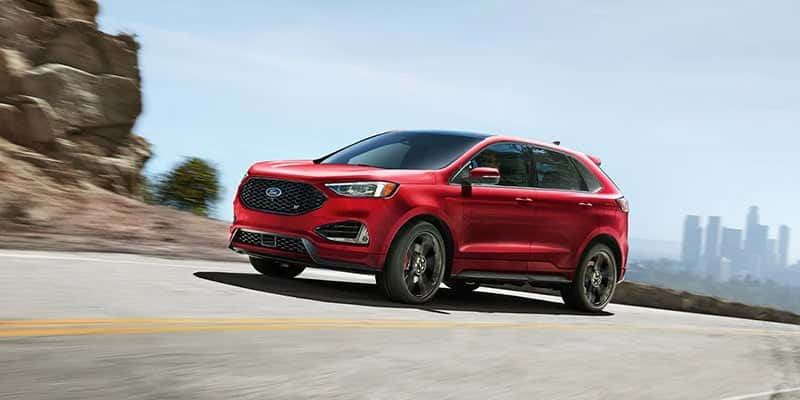
Like most automobile segments, the SUV continues to evolve, leaving enthusiasts anticipating specific models. Two such vehicles, the 2024 Ford Explorer and the 2024 Jeep Cherokee, stand out for their expected comfort, style, and performance. So, how do they compare to one another? We asked our SUV experts to delve into what each vehicle offers, helping you understand which SUV best suits your lifestyle. You'll learn what differentiates these models in a competitive SUV segment. New Specials Search New Explorers Search Used Inventory Design and Aesthetics Ford makes the Explorer in eight trims, each with unique design characteristics. For instance, the ST-Line and ST have street style cues, while the Timberline model offers off-road design elements. The Platinum trim features the premium flourishes you expect from a top-tier trim. While the Jeep Cherokee lineup boasts nine models, including the off-road-ready Overland and the luxurious Summit Reserve trim, the 2024 Ford Explorer stands out for its thoughtful design and versatility. Available in two- and three-row configurations, the Explorer maximizes passenger comfort and cargo space more effectively than its Jeep counterpart. Unlike the Cherokee, where opting for a three-row model may not significantly impact cargo space or legroom due to its design choices, the 2024 Ford Explorer ensures that choosing additional seating doesn’t compromise on spaciousness. Its design smartly accommodates both passenger needs and cargo requirements, making it a more practical choice for families and adventure-seekers alike. The Ford Explorer’s profile is sleek, modern, and designed with functionality, ensuring that every model, including the base, offers ample space and comfort. Ford Explorers have a sleek, bold, and modern style. Sharp lines and elegant curves give the SUV an athletic stance. However, the Cherokee has a more linear facade, trading boldness for refinement. Engine Performance and Efficiency You have two engine options for the Ford Explorer. The 2.3-liter EcoBoost inline four-cylinder turbocharged engine produces 300 horsepower and 310 lb-ft of torque and can tow up to 5,300 pounds when properly equipped. On the popular Explorer ST trim, this turbo-four engine gets 21 mpg around town and 28 mpg on the highway. You can opt for the 3.0-liter EcoBoost V-6 twin-turbo engine with an impressive 400 horsepower and 415 lb-ft of torque if you want more power. This powertrain can tow 5,600 pounds and gets 18 mpg in the city and 26 mpg on the freeway. Jeep has three engines available. The first is a 3.6-liter Pentastar V-6 engine with 293 horsepower and 260 lb-ft of torque. It gets 19 mpg on surface roads and 26 mpg on the interstates. Cherokees equipped with this engine can tow up to 6,200 pounds. The second is a 2.0-liter inline four-cylinder plug-in hybrid engine that produces 375 horsepower and 470 lb-ft of torque. While the added torque doesn't equate to increased towing capacity (it can tow 6,000 pounds), it does provide thrilling driving dynamics. It gets 46 MPGe thanks to its electric motor and lithium-ion battery. Finally, a 5.7-liter HEMI V-8 engine, available in three-row models, provides 357 horsepower, 390 lb-ft of torque, and a towing capacity of up to 7,200 pounds. As expected, you exchange fuel economy for power. This powertrain gets 14 mpg on surface roads and 17 mpg on the highways. Technology and Infotainment An 8-inch touch screen comes standard in the Explorer with an optional 10.1-inch vertically oriented version on certain trims. Powered by Ford's Sync 3 Technology and aided by the FordPass Connect system, you have more functionality and connectivity. A wireless charging pad and USB ports throughout the cabin ensure you and your passengers stay fully charged and connected. Apple CarPlay and Android Auto enable smartphone synchronization and hands-free operation. Plus, you can add the Ford+Alexa app to your cellphone and bring your favorite home assistant on every trip. Ford+Alexa lets you access voice navigation, traffic information, and Amazon shopping and control your home devices from your vehicle using voice commands. Jeep uses a standard 8.4-inch touch screen with a 10.1-inch horizontally oriented variant available on specific models. Infotainment runs on the Uconnect system, which includes built-in navigation on certain trims. You also get Apple CarPlay and Android Auto capability in the Cherokee. Wireless charging and multiple USB ports offer connectivity and charging ability for all. Explorer and Cherokee SUVs have optional rear-seat entertainment systems, ideal for keeping your passengers entertained on long road trips. Safety and Driver-Assistance Features Ford Explorer SUVs have the Ford Co-Pilot360 suite of driver-assistance technologies. These systems use radar, cameras, and optical sensors to monitor your Explorer and alert you to possible dangers. In some cases, the systems provide emergency brake support and evasive steering to help you mitigate potential accidents. Jeep Cherokee SUVs have a similar selection of driver-assist systems, including adaptive cruise control, blind-spot monitoring, rear cross-path detection, and parking systems. Like the Explorer, these systems alert and engage emergency braking and steering to help you avoid accidents. Off-Road Capabilities Explorer models come in rear- or all-wheel-drive (AWD) configurations, depending on the trim you select. The Timberline model adds more off-road equipment, such as all-terrain tires, off-road front struts, underbody skid plates, off-road rear shocks, a Torsen rear limited-slip differential, and provisions for auxiliary lighting systems in the front grille. You also get a Terrain Management system that lets you dial in your throttle, steering, and suspension to match the conditions. The intelligent AWD system sends torque where and when needed for additional control. Cherokee models have a rear-wheel-drive or four-wheel-drive drivetrain, depending on the trim. Of course, Jeep has a well-earned reputation for four-wheel-drive capability, and specific Cherokee models come with Jeep's Trail Rated badge. You can customize your Cherokee drivetrain to match the road surfaces and weather conditions. Price and Value for Money Ford offers its base Explorer at $36,860 MSRP. The top-of-the-range Platinum trim peaks at $54,770 MSRP. Explorer models deliver exceptional value for the price. Jeep's entry-level two-row trim starts at $36,495. The MSRP tops out at $71,040 for the two-row Summit Reserve. However, getting a three-row Cherokee costs $2,000 more. The Cherokee is a great SUV, but we don't see enough separation in the features to justify the higher cost. Brand Reputation and Reliability Both brands have decades of experience manufacturing automobiles you can rely on. The Explorer and Cherokee represent iconic nameplates for their brands, and their legacy is well represented in their 2024 models. Explore the 2024 Ford Explorer in Brewster, New York The Explorer and Cherokee cater to different preferences. The Explorer offers more spacious, family-friendly features, making it a compelling choice if you want a versatile SUV for your growing family. Jeep has its four-wheel-drive reputation, and the Cherokee does justice to its legacy. The Cherokee won't disappoint if you focus more on off-road adventuring. Ultimately, your decision comes down to what you value in an SUV. Browse our virtual inventory to learn more about the Ford Explorer. Alternatively, you can visit our showroom, speak with one of our SUV experts, and take one for a test drive.

Ford Expedition

How Long Is a 2023 Ford Expedition?

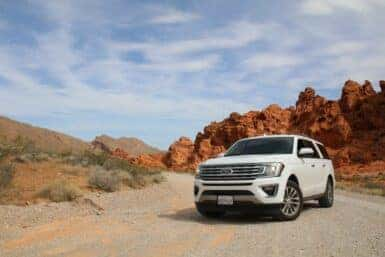
Do you want to get behind the wheel of a three-row SUV that'll offer a combination of a lot of extra legroom for you and your passengers and plenty of cargo space? Then you'll appreciate what the 2023 Ford Expedition has to offer. It's one of the largest SUVs out on the road today, so it would be the ideal choice for anyone in the market for an SUV that'll provide you with more size and space than you could ever imagine. So, just how big is the 2023 Ford Expedition? Learn all about it below to find out. How Long Is a 2023 Ford Expedition? When you look at the 2023 Ford Expedition models available, you'll notice one thing almost immediately. Some of them are longer than others. That's because Ford has manufactured 2023 Ford Expeditions in two different lengths. A standard 2023 Ford Expedition is 210 inches long. But you'll also have the option to go with a 2023 Ford Expedition MAX that measures up to 222 inches long. It's a great option if you need even more space than usual in a 2023 Expedition. How Wide and High Is a 2023 Ford Expedition? While the 2023 Ford Expedition MAX will be significantly longer than the standard 2023 Ford Expedition, it's worth noting that all 2023 Expeditions will have the same width and height. The width of the 2023 Ford Expedition is right at 80 inches, while the height of the 2023 Expedition is about 76 inches. As a result, we can guarantee the 2023 Expedition will look like a huge SUV regardless of which length you decide to buy. How Much Does a 2023 Ford Expedition Weigh? Because the 2023 Ford Expedition is so long, wide, and high, it shouldn't come as much of a surprise to hear that it's one of the heavier SUVs you'll find out there. The exact weight of a 2023 Expedition will depend on which particular trim you choose. If you go with a standard 2023 Expedition, it'll weigh in at somewhere between 5,368 and 5,623 pounds. If you go with a 2023 Expedition MAX, it'll weigh somewhere between 5,534 and 5,794 pounds. How Large Is the Gas Tank in a 2023 Ford Expedition? The amount of fuel you'll be able to fit in a 2023 Ford Expedition will also depend on the model you're interested in. The standard 2023 Expedition model has a gas tank that can hold up to 23.2 gallons of fuel. Meanwhile, the 2023 Ford Expedition MAX has a gas tank that can hold up to 27.8 gallons of fuel. How Much Passenger Volume Does a 2023 Ford Expedition Provide? One thing you might find interesting about the 2023 Ford Expedition is that you won't see a major difference in passenger volume with either the standard or the MAX model. While the MAX option has a little more passenger space, the difference is minimal. You'll get a quite comfortable 171.9 cubic feet of passenger volume in the standard 2023 Expedition versus a nearly equal 172.0 cubic feet of passenger volume in the MAX. However, there will be a much larger difference in cargo space between the two Expedition models. How Much Cargo Space Does a 2023 Ford Expedition Offer? If you plan to use a 2023 Ford Expedition to haul a lot of sports equipment or work gear or go away on family vacations, you'll be happy to hear that both have plenty of cargo space available. But the 2023 Ford Expedition MAX is the version you'll want to go for if you need the most cargo space. Its added length provides it with more space to transport all your work and sports equipment or other cargo inside. Overall, the standard 2023 Ford Expedition has 104.6 cubic feet of cargo space behind the first row, while the 2023 Ford Expedition MAX has 121.5 cubic feet. The 2023 Expedition MAX also provides more cargo space behind the second row (73.3 vs. 57.5 cubic feet) and the third row (34.3 vs. 19.3 cubic feet). Both models will provide you with more cargo space than the competition might offer, but you'll possibly like getting the extra bump in cargo space that the 2023 Ford Expedition MAX can offer. What Kind of Engine Does a 2023 Ford Expedition Have? With the 2023 Ford Expedition being as big and heavy as it is, you might assume it has a supersized engine to help it get around. And you'd be correct. Every 2023 Ford Expedition comes with an impressive twin-turbocharged 3.5-liter V-6 engine that can produce up to 380 horsepower and 470 lb-ft of torque. Some higher trims'll use the same engine but boost the output to 400 horsepower and 480 lb-ft of torque. Outside of helping move the 2023 Ford Expedition itself around, the engine found in this SUV is also capable of towing an impressive amount of weight. This is actually one area in which the standard 2023 Expedition is able to outdo the 2023 Expedition MAX. It has a towing capacity of up to 9,300 pounds, while the MAX version can tow up to 9,000 pounds. Nevertheless, both numbers are better than the towing capacities you'll find for similarly sized SUVs. Visit Our Lot To See How Long a 2023 Ford Expedition Is for Yourself Do you want to ensure that a 2023 Ford Expedition will be long enough and large enough for you? The only surefire way to figure this out will be by taking a look at one in person. At Brewster Ford in Brewster, New York, we can allow you to take either of the 2023 Ford Expedition models out for a test drive. We can also answer any other questions you might have about their specs. Touch base with us today to discover more about this monstrosity of an SUV.

2022 Adaptive Cruise Control

Adaptive Cruise Control

If you're interested in buying a Ford vehicle, you'll be glad to hear that the manufacturer has advanced driver assistance technology to make your life easier. A timeless feature is Adaptive Cruise Control (ACC), with newer iterations offering even more convenience and safety. Here at Brewster Ford, we're eager to discuss all the rage surrounding Ford's ACC and share vehicles that come with this essential feature. more New Ford Inventory Used Inventory Value Your Trade What Is Ford's Adaptive Cruise Control? Ford's Adaptive Cruise Control is a driver assistance feature part of the manufacturer's Co-Pilot 360 technology suite. At its most basic level, ACC allows you to set your preferred cruising speed and distance from the vehicle in front of you. It uses sophisticated radar and camera technology to slow your car down when it detects the vehicle in front of you slowing down. The technology automatically resumes your preset speed and distance when the traffic speeds up. ACC comes with additional features to make your driving experience as convenient as possible. For instance, ACC with Stop-and-Go enables your vehicle to come to a full stop when the vehicle in front of you stops. The ACC's Lane Centering system analyzes lane markings to detect when your vehicle might be drifting and guide you back to your lane. If your Ford has Intelligent Adaptive Cruise Control, you get all the features above plus Speed Sign Recognition. This innovative feature automatically adjusts your set cruising speed based on posted speed limits. History of Ford's Adaptive Cruise Control Ford originally introduced its ACC feature in 2006. The feature is now available in 71% of the manufacturer's American models, with many of the newer models accessing ACC through the Co-Pilot 360 technology suite which came out in 2018. Ford originally designed driver assistance features like ACC to optimize highway driving, but the suite is useful for combating congestion. It can ease commutes by smoothing out traffic and helping reduce distracted drivers' mistakes. What Vehicles Have Ford's Adaptive Cruise Control? While ACC is available with new and used Fords alike, the type of ACC features you get depends on your vehicle's year, model, and trim. Some vehicles come with standard ACC features, while more advanced ACC features are available on other vehicles. Here's a list of newer Ford vehicles that have standard or optional Intelligent Adaptive Cruise Control: 2021 Ford Ecosport. 2021 Ford Escape. 2021 Ford Bronco Sport. 2021 Ford Bronco. 2021 Ford Explorer. 2021 Ford Mustang Mach-E. 2021 Ford Expedition. 2021 Ford Mustang. 2021 Ford Transit Connect. 2022 Ford F-150. 2021 Ford Super Duty. 2021 Ford Transit. 2022 Ford F-150 Lightning. 2022 Ford Expedition. 2022 Ford Edge. 2022 Ford Mustang Mach-E. 2022 Ford E-Transit. 2022 Ford Transit CC-CA. 2022 Ford Transit. 2022 Ford Maverick. 2022 Ford Ranger. Adaptive vs. Traditional Cruise Control Traditional cruise control is similar to adaptive cruise control in that you can set your desired miles per hour and cruise without pressing the accelerator. Both technologies are useful for maintaining consistent speeds on long trips. The difference is that ACC is a newer and more advanced technology, as it automatically adjusts your set cruising speed based on surrounding conditions. For instance, imagine you set your cruise control to 70 miles an hour and you're following a car that's traveling the same speed. If the car in front of you slows down to 60 miles per hour, traditional cruise control would cause you to close the distance between your vehicle and the car in front of you. If you have a vehicle with ACC, you would slow down to 60 miles per hour to match the other car's speed and maintain a safe traveling distance. Many drivers believe that ACC is more convenient than traditional cruise control, though neither system is a replacement for your attention to the road. Is Ford's Adaptive Cruise Control the Same as Self-Driving? At first glance, Ford's ACC might appear to let the vehicle drive itself. After all, it analyzes surrounding conditions and slows down, speeds up, and stops your vehicle automatically. It can also keep your vehicle in its lane and adjust your speed based on posted speed limits, so can you sit back and let ACC do its thing? Not quite. ACC is a driver assistance technology and doesn't allow the vehicle to drive itself. Ford has issued multiple warnings that the entire Co-Pilot 360 technology suite is supplemental and doesn't replace the need for the driver to pay attention to the road and make critical decisions. Additionally, your interference is necessary when the vehicle stops for more than three seconds. System operation will only resume when you press the "RES" button or push the accelerator pedal. How To Use Ford's Adaptive Cruise Control Below are steps for using Ford's Adaptive Cruise Control. Note that the instructions might vary depending on the year and model of your vehicle. Press the "ON" button on the steering wheel. Accelerate to your desired cruising speed. Press the "SET" button on the steering wheel. Remove your foot from the acceleration pedal. Aside from setting your desired speed with ACC, you can use it to determine how much distance you want to maintain between your car and the car in front of you. Ford indicates driving distances by displaying between one and four bars in front of your vehicle icon on the information display. Select the gap-setting button on your steering wheel and continue pressing this button to cycle through the different driving distances. Stop pressing the gap setting button once you select your desired driving distance. Know that setting your desired cruise speed automatically activates the ACC's Stop-and-Go feature. If you want to turn on Lane Centering, press the Lane Centering button on your steering wheel. This feature detects when there has been no steering activity for a certain amount of time and alerts you to put your hands on the wheel. If you want to cancel ACC, tap your brake or press the "CNCL" button on your steering wheel. We hope this article helps you understand the benefits and limitations of Ford's Adaptive Cruise Control. If you have questions about your system or want to get a vehicle with this useful feature, call us at (845)205-7019 or contact Brewster Ford today. We have a wide selection of new SUVs, used pickup trucks, and everything in between so you can drive with confidence.

Ford CO-Pilot 360 Safety Features

What is Ford Co-Pilot 360?

When you buy Ford, you can get a full array of high-tech, high-quality safety features to keep you and your passengers safe, making it the clear choice for anyone who values safety in their vehicle. Co-Pilot360 is Ford's suite of technology, protection, and security features that elevate your experience when driving and using a Ford vehicle. Here's everything you need to know about Ford Co-Pilot360's safety features and what they offer. What is Ford Co-Pilot360? Whether in the city or on the highway, plenty of distractions and obstructions can make it difficult to stay safe while driving. Ford Co-Pilot360 is a suite of safety features that enhance your performance and complement your driving through every step of your journey. With features for braking, alertness, lane-keeping, and cruise control, there's something in Co-Pilot to assist with every journey. From your driveway to your destination, Ford Co-Pilot360 has your back and keeps you alert so you can avoid collisions and arrive at every destination safely. Co-Pilot can vary in availability depending on which vehicle from the Ford line-up you choose. BlueCruise BlueCruise, Ford's intuitive cruising technology that helps you drive confidently, is the first next-level safety feature on this list. It has Stop-and-Go and Lane-Centering to keep you safe. It also enables the car to go into self-driving mode while ensuring the driver still has their eyes on the road. BLIS and Cross-Traffic Alerts BLIS (Blind Spot Informaion System) and Cross-Traffic alerts make changing lanes on large and busy highways less stressful. This feature allows the car to scan the road and determine if vehicles are in your way or if it's safe for you to merge. This feature also allows your car to detect if there are obstructions behind you when you're reversing from a parking spot. Lane-Keeping Safety When driving on the highway, there can be moments when your car drifts a little too far to the left or the right, causing you to occupy more than one lane at once. Lane-keeping technology helps you avoid this situation by providing alerts so you can stay safely in your lane. If you drift a few times in a row, the car can alert you that it may be an excellent time to take a break and rest before driving again. Pre-Collision Emergency Braking Defensive driving and alertness can sometimes only go so far. Pre-collision emergency braking fills in the gaps. This feature allows your car to scan the road and identify potential collisions and obstructions before they happen. When the car identifies a potential collision, it can assist you by applying the brakes and avoiding accidents. Intelligent Adaptive Cruise Control Adaptive cruise control is a feature that allows your car to sense other vehicles and change speed according to them. Using this system, you can choose your preferred speed and avoid unnecessarily speeding up and slowing down. The adaptive cruise control system can automatically adjust to speed limit signs along the route and slow down when traffic jams and other slowdowns occur. Evasive Steering Assist In some situations, the only way to avoid an obstruction in the road is to steer around it. Though Evasive Steering Assist doesn't steer for you, it does make it easier to avoid stalled vehicles and other hazards on the road. When the system senses a potential collision, it can provide extra steering support to help you avoid accidents. Rear View Camera When you're reversing, you want to be able to see as much as possible. Backing up can be a task that involves a lot of uncertainty, whether you're looking in the mirror or looking over your shoulder. With a rearview camera, it doesn't have to be that way, as Ford CoPilot360 can give you the visibility you need and alerts to help you avoid hitting curbs or other obstacles. Active Parking Assist Parallel parking is a sought-after skill, and there are many situations in which parking can be tough. You can increase ease and safety with the Active Park Assist 2.0 feature from Ford CoPilot360. This allows you to navigate the vehicle into tight parking spots, whether they're parallel parking or reverse perpendicular spots. Auto High-Beam Headlights Visibility is important for safety, as being able to see helps you identify hazards and obstructions in the road. The auto high-beam headlight feature takes the pressure away to remember your high beams, automatically optimizing your driving experience at night. These lights automatically sense poor lighting and turn on, and can even sense oncoming headlights and dim so they don't hinder oncoming vehicles. Pro Trailer Backup Assist This CoPilot360 safety feature is exceptionally well-suited for truck drivers and trailer haulers. Whether you're hauling a trailer or a flatbed, you can use Pro Trailer Backup Assist to help you navigate the world with something attached to your hitch. This feature allows you to turn a knob and point the trailer in the direction you want it to go. This makes backing up with a trailer much simpler and safer. Your Next Vehicle at Brewster Ford Brewster Ford is the premiere destination for purchasing a new or pre-owned Ford vehicle. There are so many reasons to find your next dream car with Brewster, from our passionate staff to our full-service financial department. When you visit Brewster Ford, we take care of you even after you leave the dealership. We can help you determine which vehicle is the best for you, help you browse through our inventory, perform some test drives, and guide you through every part of the financing process. We won't rest until you're happy with your new Ford and the service you've received at Brewster Ford. We hope this guide has been helpful if you're trying to learn more about the safety, security, and protection features you can take advantage of in a Ford. Fords are known for their durable construction and advanced technology and safety features. From anti-collision to lane departure warnings, Co-Pilot has your back and can help you enhance your driving, even when driving solo. To learn more about the available safety features Ford can offer, or to check out our current inventory, don't hesitate to get in touch with one of our dedicated team members today. Photo Credit: Image by Caleb White is licensed with Unsplash License

Ford Certified Pre-Owned Program

All About the Ford Certified Pre-Owned Program

Purchasing a pre-owned Ford can be a huge decision for any potential car buyer. No matter what type of vehicle you're searching for, you'll want to make sure your ride meets all the necessary standards for safety and performance before you drive it off the lot. At Brewster Ford, we want you to feel comfortable with whichever vehicle you pick. Read on to learn more about Ford's Certified Pre-Owned (CPO) program and how it can keep you driving forward. What Is the Ford Certified Pre-Owned Program? With Ford's Certified Pre-Owned program, you know that your used vehicle won't let you down. Before earning the CPO designation, every Ford car, truck, SUV, and crossover undergoes rigorous testing to ensure it meets strict standards for performance, safety, and drivability. No matter which certified Ford vehicle you choose, you know you're getting the quality you deserve. But your coverage doesn't stop when you drive off the lot. You'll get ongoing protection through warranty, service, and roadside assistance options with Ford's CPO program. We want you to enjoy your ride for life, and this program is a great way to make sure you're always covered. What are the benefits of buying a Ford CPO Vehicle? There are many benefits built into Ford's CPO program, including: 172-Point Inspection While some used vehicles may get a bad reputation, you won't have to worry when you buy with Ford. Every CPO vehicle passes a strict inspection that evaluates each ride's function, safety, and mechanical ability. Your Ford dealer won't take this inspection lightly, as factory-trained Ford technicians will inspect your vehicle. If any issues arise, your skilled technicians will recondition any part of the vehicle that doesn't meet standards. They may also replace old or damaged parts with new, certified Ford replacements. Want more information? No problem. You can always ask your technician for a full report of the inspection findings. We're here to give you as much information as possible before you commit to any Ford option. Vehicle History Report In addition to a comprehensive inspection, you can rest assured that your certified Ford technicians have painstakingly combed your vehicle's history. They'll note any previous crashes, issues, or other concerns, ultimately rejecting any vehicles that don't meet standards. Before you buy, we'll happily provide you with a copy of this report for your records. Make sure you're comfortable with your vehicle's past before taking it into the future. Warranty When you buy a CPO vehicle from Ford, you get 12-month/12,000-mile comprehensive limited warranty coverage to help you manage any issues within your first months of driving. You'll also get 7-year/100,000-mile powertrain limited warranty coverage to keep you protected for the long haul. With additional service plans and options available, you'll surely find the coverage you need with your pre-owned Ford. Roadside Assistance During your limited warranty coverage period, you'll also get full, 24-hour roadside assistance in the case of breakdown, blowout, or weather issues. This includes a travel expense reimbursement of up to $500 for any lodging, meals, or rental costs. You'll also get up to $75 to cover any taxis, shuttles, or rental vehicles you need to get you to your destination and $30 a day for up to five days for overnight vehicle repairs. With this comprehensive plan, you'll be able to take on the unknown without worry. CPO Coverage and Service If you'd like to protect your investment further, you can opt for some additional warranty offerings through the Ford CPO program. When you add the additional Ford protect extended service plan, for example, you can add even more coverage to your vehicle regarding time, mileage, and covered components. But no matter how much coverage you select, you'll always have quality service and parts options available at your local dealership. When your potential vehicle goes through its inspection process, you know that you'll only get the best quality Ford parts. If the vehicle needs any replacements or updates, you'll receive genuine Ford Motorcraft or Ford-authorized remanufactured parts. When it comes time for service or maintenance, our service center will treat your CPO vehicle with respect it deserves. Financing Your Ford Vehicle Another benefit of Ford's CPO program is that it offers you the chance to apply various financing options and offers to meet your needs. For example, the Ford Credit program will give you low APRs, flexible terms, and special programs that can help make owning your dream Ford a reality. Contact our financing department today to learn more about CPO offers and options. As a Ford customer, you'll not only be able to make flexible payments on your dream ride, but you'll also be able to manage your car-buying process with the click of a button. You'll get access to an online account manager that lets you pay your bills, track payoff progress, and change your due date. To pay on the go, you can even access the mobile account manager right from your smartphone. Convenience is right at your fingertips with Ford. Why Choose Brewster Ford? You have many choices when selecting a used vehicle, but you can eliminate some stress and worry when you select a CPO from your reputable Brewster Ford dealer. Besides the benefits you'll receive as a Ford customer, you'll also have our undivided support and attention as you select a vehicle to match your lifestyle and preferences. Not sure what you want? That's okay too. Our extensive used vehicle collection is sure to have something you love. Stop by today to see all your options for going with Ford. Although it can be nerve-wracking to purchase a used vehicle, your local Ford dealer is doing everything possible to make you feel comfortable with your decision. Contact us today if you're ready to begin the buying process or want to ask some questions about your ideal fit. We'll do whatever we can to help you feel comfortable and safe in your new, pre-owned Ford. Photo Credit: Image used with permissions via Ford.com

Ford Focus

How to Best Maintain a Ford Focus

As the owner of a Ford Focus, you know you're driving a solid vehicle backed by the quality of the Ford brand. To keep your car driving at peak performance levels, it's important to follow a regular service schedule. Consistent maintenance benefits you by preserving the key driving components of your vehicle, extending the vehicle's lifetime, and saving you money from costly emergency repairs. To understand the best maintenance schedule for your Ford Focus, consult your owner's manual and check with your dealership. For more guidance about your specific model, you can also check the Ford Focus service support website. Here's a quick guide on how to maintain a Focus from the experts here at Brewster Ford in Brewster, New York. 5,000-Mile Service The first maintenance check on Ford's service schedule at 5,000 miles is considered a minor service update. Technicians change your oil and filter, rotate your tires, and do a safety inspection for any leaks or malfunctions in the vehicle. This initial service establishes your baseline car performance and prepares your vehicle for peak operation with an initial assessment and oil change. Any time you get your vehicle serviced, it's also a good idea to ask the technicians at your dealership to check for any recalls that affect your model. 7,500-Mile Service The 7,500-mile service typically includes another oil and filter change with a tire rotation. During the oil change, technicians perform a safety inspection for brakes, belts, hoses, and any fluid leaks. The technician will also listen to the vehicle for any strange noises and look for proper vehicle functions, including head and tail lights. For some vehicle owners and dealerships, the 7,500-mile tuneup may serve as the recommended initial service. 10,000-Mile Service For the milestone of the first 10,000 miles, technicians will again change the oil and filter in your vehicle. They'll also perform a thorough tire rotation and inspection and an assessment of essential brake elements, including brake pads, shoes, drums, and rotors. Technicians will inspect the brake lines and hoses and check out the parking brake. Professionals check the cooling system and hoses, heat shields, and exhaust system in your vehicle, too. Additional inspections on your Ford Focus involve nonsealed steering areas, including suspension, ball, and u-joints, and a check on the fluid level of your automatic transmission. A multipoint inspection to cover other areas, like wiper fluid, cabin filters, and battery life, concludes the 10,000-mile service. From here forward, the best way to maintain your vehicle is to continue service inspections every 10,000 miles. 20,000-Mile Service The 20,000-mile service includes many of the same inspections as the 10,000-mile tuneup. This includes common replacements and updates, such as the cabin air filter, engine oil and filter, and a tire inspection and rotation. Technicians will also assess the brakes and brake elements, the cooling and exhaust systems, transmission fluid level, and the steering column. Another multi-point inspection completes this service. 30,000-Mile Service The 30,000-mile service includes most of the same inspections and assessments as the 20,000-mile service. The main difference is the 30,000-mile service includes replacing the engine's air filter. Technicians once again will check systems and inspect key vehicle components for optimal performance levels. They'll complete another multipoint inspection and make any necessary recommendations for further service needs. 40,000-Mile Service The 40,000-mile service includes the same inspections as the previous mileage checks. This time, the cabin air filter typically is replaced to coincide with the changing of the oil and oil filter, the key systems inspections, and the multipoint inspection. After the 40,000-mile service, most recommendations move the next tuneup to 60,000 miles because it often coincides with a vehicle's warranty from the manufacturer. 60,000-Mile Service Servicing your vehicle at the 60,000-mile mark is an important step in maintaining optimal performance. As you near the end of many standard manufacturer warranties, this essential tuneup provides key diagnostics for vehicle systems and components. Your Ford Focus will undergo the typical oil and filter change, engine air filter replacement, and tire inspection and rotation. However, this service is an opportunity for technicians to check parts of your vehicle that may undergo some common wear and tear from daily use. The 60,000-mile service is an important time to check the timing and drive belts, which may require replacing at this point in your car's life. Another common repair you may need at this time is to replace spark plugs or brake pads in the vehicle. 70,000- to 80,000-Mile Service A tuneup at some point between these mile marks offers another chance for trained technicians to check key systems for wear and tear and maintain important vehicle components. You'll also change the oil and filters and undergo a tire rotation during this service. 100,000-Mile Service and Beyond Although it's important to continue changing the oil and filters in your Ford Focus, your next major maintenance usually happens around the 100,000-mile mark. This is another important time to check for wear and tear to major vehicle systems and replace any parts that require attention. Your technician will provide a full diagnostic as with other scheduled tuneups, offering suggestions to help you keep your Focus in prime condition and extend the life of the car. For additional service, consult your dealership and owner's manual to continue maintaining your vehicle. Purchasing an extended warranty for your vehicle can also affect the duration of scheduled or recommended maintenance on your Ford Focus. Ford also recommends running a vehicle health report (VHR) regularly to track the maintenance of your model. A VHR gives you a snapshot of your vehicle using real operating conditions to calculate diagnostics. When you complete regular VHRs, you can set up the report to send you regular updates or reminders about maintenance and recalls, helping you stay current on important vehicle checks, replacements, and repairs. At Brewster Ford, we want to make maintenance simple for you. That's why we offer shuttle service to and from your home and a comfortably furnished sitting area for your convenience while waiting in our service center. Trust our friendly and knowledgeable staff to provide quality maintenance and repairs on your vehicle with original parts from the manufacturer in a Ford-approved facility. Ready to schedule your next maintenance check? Contact us today to set up an appointment, or make a service appointment quickly through our online scheduling portal.

Ford Logo

What do people love about the Ford Focus?

If you're in the market for an affordable sedan with all of the comfort and safety features you love, you're definitely going to want to check out the Ford Focus. The Focus has been a fan favorite amongst Ford drivers for years, and not just because of the stylish exterior design. With an adjustable back row of seats, the Focus comes with more storage space than your typical sedan, and it doesn't sacrifice performance. Even though Ford has discontinued this iconic model, people still love their Focuses. To help you learn more about what people love about the Ford Focus, our staff put together this overview. Incredible Exterior Design The sophisticated and streamlined exterior of the Ford Focus is just one of the many things that people love about this iconic model. Featuring dynamic accent lines and multiple different color choices, the Focus is a sedan that makes a statement on the road. Even though you can't buy a new Ford Focus anymore, you have nearly two decades worth of models to choose from. Because the exterior design of this car changed over the years, it's easy to find a model that matches your exact style. A Versatile Interior Even as a compact sedan, the Ford Focus has always featured a spacious and versatile interior that can handle any job. With five standard seats, you can comfortably fit the whole family in the Focus even when going on long road trips. If you need extra storage room, many of the different models come with the ability to fold down the back row of seats. With this extra capacity, you can easily store all your snowboards, skis, surfboards, and more. In addition to the ability to fold down the entire back row, if you only have one passenger, you can use the 60/40 configuration to increase storage space while still keeping one of the rear seats. This versatility is just one of the reasons that people have always loved the Focus model. It's the perfect choice for families of all sizes, and anyone who wants a sedan that offers plenty of interior storage space. Innovative Tech Features Every year that it was in production, the Focus continually delivered all of the most modern tech features. If you're in the market for a used car, buying one of the more recent Focus models gives you access to features like touch screen displays, digital connectivity, smartphone integrations, and more. While the older models won't have access to some modern features, they still come with systems like satellite radio connectivity and built-in navigation depending on the year. 2018 was the last year that Ford designed a new Focus, so if you find one of these models, you can experience the same features that their original owners loved. The 2018 model came with an expansive screen that acted as a control panel for all of your car's important systems, as well as an innovative digital display next to the speedometer. This was one of the first cars to feature this type of display, something that has gained popularity in recent years. Even though it was built years ago, the latest Focus fits right in with modern cars. Exceptional Fuel Economy and Performance Since its inception, the Ford Focus has always been a car that prioritizes fuel economy. Focus drivers have always loved the amazing savings they earned at the pump with this car, and the fuel economy of 2018 still matches up to some of the most modern cars on the market. The 2018 Ford Focus came with 19-30 miles-per-gallon in the city and an outstanding 26-40 miles-per-gallon on the highway. Even with this incredible efficiency, the Ford Focus still packed a punch with horsepower that ranged between 123 and 350. This explosive performance made the Focus one of the most dynamic driving experiences of its day, and that's just one thing that people loved about owning this car. The turbocharged engine gave the Focus explosive speed that was matched by its superior handling. With both front-wheel and all-wheel-drive models available, the Focus has always been known for its incredible handling. No matter what model you drove, the Focus hugged tight corners and breezed through rugged mountain roads. Safety Features You Can Trust With excellent fuel economy and an affordable price, the Ford Focus was many young drivers' first car. As the first car for many, it's always been a priority for the vehicle to come with all the safety features you need to keep your loved ones safe. If you're in the market for a used Focus, you might want to start your search with the 2015 model. While drivers have always loved their Focus no matter the year, the 2015 model was the first to introduce a variety of safety features that are now considered standard in the industry. The 2015 Focus came with a rearview camera, blind-spot monitoring, and a lane departure alert system as options. These features give the Focus an incredible amount of visibility both on the road and when parking in a tight space. if you're looking for incredible value on a used car, then you can trust the safety features of the 2015 Focus to stand up to the test of time. The incredible safety rating of the focus has always made it a well-loved vehicle by both parents and drivers alike, so you truly can't go wrong with this choice. These were just a few of the reasons that people have always loved the Ford Focus. While Ford decided to move away from the sedan market in 2018, older Focus models have continued to hold their value as reliable cars with excellent fuel economy. If you want to learn more about what people love about this car, or to see if we have any used models in stock, please give us a call. Here at Brewster Ford, we are dedicated to providing our customers with high-quality used vehicles, so we hope you stop by.

How to know if your vehicle has a Slow Tire Leak

How To Find A Slow Leak in A Tire

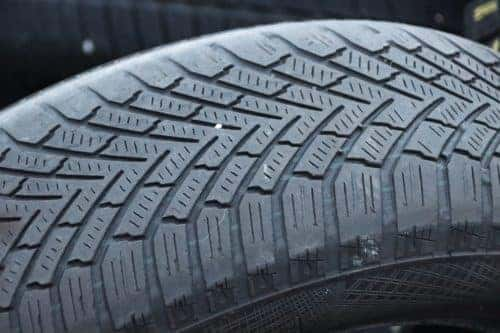
Constantly putting air into your tires can be tiresome, especially when there's usually an underlying issue, like a slow tire leak, that can be fixed to eliminate the problem altogether. As a car owner, the best course of action is to get your vehicle regularly serviced at your Ford service center, but if you start to notice symptoms of a tire leak, you may want to go in as soon as possible. If you own a car, staying on top of your tire pressure levels is important to ensure the vehicle is operating safely and functionally. As soon as you suspect that you may have a slow tire leak, you must get help from a professional who can identify the issue. Whether it's a tire pressure warning light, a flat tire, or poor steering, any sign of low or leaking tire pressure should be taken seriously to avoid possible accidents or further damage to the vehicle. Not sure how to tell if your Ford has a slow tire leak? Our team at Brewster Ford has compiled a list of frequently asked questions regarding these leaks, including what causes them and how to deal with them. more Ford Tire Service Service Center Ford Mobile Service What Is a Slow Tire Leak? Slow leaks in tires  occur when a car's tire releases small amounts of air over time, resulting in complications like flat tires or complete blowouts. While slow tire leaks are common, especially in cities where industrial debris is more likely to be on the roads, they can still be challenging to deal with. Since 2008, all car manufacturers have added tire pressure monitoring systems to their vehicles that provide notifications when 25% of a tire's pressure has escaped. This technology makes it easier to prevent further complications from low air pressure. Despite these advancements, identifying a slow leak can still be difficult for those unfamiliar with tires or cars. Most people's first instinct is to run to a gas station or auto repair shop when their tire pressure warning light comes on. It's normal to put air in your tires now and then, especially after changes in weather or prolonged use. However, if you constantly have to pump air into your tires, this may indicate an unidentified tire slow leak. What Causes Tire Leaks? Here are the three main causes of a slow leak in your tires: Tire Has Damage From a Puncture One of the most common ways slow tire leaks start is from contact with sharp debris, like nails or screws. These pieces of metal and debris can get stuck in your tires and slowly let out air every time the car's weight presses down on the wheels. Rubber Valve Stem Has Damage The valve stem is the small attachment on your wheel where you can attach an air pump or let out air if the tire is too full. Over time, corrosion can damage the valve stem and cause it to loses its seal, allowing air to seep out slowly. The Wheel Itself Is Misshapen The impact of driving over curbs, speed bumps, or potholes can deform the metal of your wheel. When this happens, the tire has less space to fit tightly within the wheel's structure, which can allow air to leak out. What Are the Signs of a Slow Tire Leak in Your Ford? Here are some of the primary signs to look for when you suspect your Ford has a slow tire leak: Your Tire Pressure Light Turns On A common sign of a slow tire leak is if your tire pressure warning light repeatedly turns on even after you refill your tires with air. This can be a sign that the issue isn't low pressure itself, but rather something allowing the air to release from the tire altogether. It's Difficult To Maneuver Your Steering Low tire pressure can make it significantly more difficult to steer while driving. You may notice that your turns are taking longer than normal or that your foot feels light on the pedal and brakes, which are both signs of low tire pressure and possible tire leaks. You Consistently Get Flat Tires If you're constantly getting flat tires, this is another sign that you may have a slow tire leak. This is especially true if you get flats from keeping your car stationary for a period of time or consistently have flat tires even after filling them with air. What Should You Do When You Find a Tire Leak? When you find a tire leak on your Ford, the first step is to contact your dealership's service department to see if a professional can help identify the issue. Stop driving the vehicle and look at your tires to see if you can spot any apparent punctures or damage to the tire or wheel. Then, call or make an appointment online with the service center to schedule a time for a technician to repair your vehicle. Slow Tire Leak Repair in Brewster, NY Various issues can arise when you own a car, and tire leaks are just one of them. Whether you need air in your tires, a patch job, or a new set of tires, your best bet is always to go straight to your Ford dealership. All of our technicians are factory-trained and have access to the official parts created by the manufacturer. When you take your car to your Ford dealership, you can rest assured that your vehicle is in the best hands possible. With that, we've wrapped up our list of the most frequently asked questions for identifying a slow tire leak on your Ford. Did we leave out one of your questions about diagnosing slow tire leaks? Or maybe you want to learn more about proper Ford maintenance and care. Either way, feel free to contact us at Brewster Ford, and a dedicated staff member will be more than happy to help you.

Road Trips around Brewster, NY

Steps to take before a long road trip

We've all been there: it's the day before your long-distance driving trip, and you're panicking. You're pretty sure you've packed every piece of clothing, medication, and toiletry you could need, but a small voice in the back of your mind is telling you otherwise. Driving long distances requires more than a packed bag — you also need the proper equipment and access to resources for food and rest. Our team at Brewster Ford has assembled this checklist to help you make sure you've finished and gathered everything you need for a successful and enjoyable car journey. Start a Week Early When preparing for a long-distance drive, the first step is to start preparing at least a week in advance. If you leave all of your planning and packing for the night before, there's a greater chance you might leave behind items. Instead, start creating a preliminary list of what you need to do in the week before your trip, such as purchasing supplies, packing, or preparing your vehicle. This will give you a more organized method for planning and packing for your trip. Create an Itinerary Once you have a generalized plan of what you need to do before you leave, the next step is to create a detailed itinerary of your trip. Start by writing down what you plan on accomplishing each day of your drive (or vacation, if that's your final destination). If you want to schedule excursions or visits to locations that require advanced planning, plan around them. This can make it easier to visualize what you'll need for each day in clothing and supplies. Plan Out What You'll Need Each Day An efficient way to organize your items and decide what you do and don't need is to determine how many outfits you may need per day, depending on your plans. For example, if you plan on driving the entirety of one day, you may only need one outfit of sweatpants and a T-shirt. If you're planning on hiking a trail the next day, then workout clothes and sneakers may be a more appropriate outfit choice. Get Your Car Checked The most important component of your long-distance drive is the vehicle you're using to get to your destination. Even if you've recently taken your car in for maintenance or repairs, consider visiting us at Brewster Ford so we can take a look at your car's oil levels, tire pressure, engine, and battery. This entire process is typically short and can provide you with important information about the state of your car. Even if it all turns out fine, at least you can proceed with your long-distance drive with peace of mind. Create an Emergency Kit No matter how long you plan on being on the road, it's essential to have an emergency kit within reach in case of any unexpected occurrences, including both small and significant accidents. When putting together an emergency kit, consider including basic first aid staples such as band-aids, pain medication, alcohol wipes, hand sanitizer, gloves, and gauze. You can also include additional items in your emergency kit like extra clothes, water, a flashlight, an umbrella, and chargers. Buy a Portable Charger Portable chargers have become one of the most popular traveling essentials, especially for those going on long-distance drives using navigation apps. These navigation apps, while helpful, can also consume a significant amount of your phone's battery. Car chargers are always a good idea to have, but when more than one person needs to charge their device or the car's battery is out, having a portable charger can undoubtedly be helpful. Pack a Blanket Before going on a long-distance drive, you may not think about comfort. Sure, you may commit to wearing sweatpants and comfy shoes on long driving days, but what about when it's time to nap? We recommend bringing a blanket to keep you cozy during those long hours. This can be especially helpful if the driver prefers a colder temperature than the passengers, as it allows everyone to stay warm and content with the car's conditions. In an emergency, a blanket can also become a multiuse tool for shelter, clothing, and warmth. Fill up Your Gas Tank Consider fueling up the day before your trip, or set aside time before you officially begin your journey to pump gas. If you're driving long distances, you'll more than likely have to refill your tank multiple times along the way. It's helpful to plan ahead, like when you're making your itinerary, to determine the general area of where you plan on stopping. This can take away the pressure of having to find a spot quickly if you're low on fuel. Stock up on Water and Snacks Water and snacks are vital to making sure everyone in the car on your long-distance drive are happy. Especially if you're planning on driving through more rural areas, it's essential that everyone in the vehicle has access to ample food and water whenever they need it to ensure they all remain healthy and capable of contributing to the drive or other planned activities. In the case of an emergency, you'll be grateful if you have some sustenance to hold you over until help is available, so don't hesitate and pack those granola bars. Pack Headphones/Entertainment While the conversation may be fresh and exciting at the start of your journey, those attitudes are likely to fade once you're several hours in. To avoid boredom, try packing a pair of headphones so you can enjoy your own selection of music, podcasts, shows, and movies along the way without disturbing the driver or other passengers. Have trouble napping on a long drive? Try popping in your headphones and playing some white noise to tune out your surroundings and lull yourself to sleep. Now that you know all the essential items and procedures for a successful long-distance drive, you're ready to take on any and all scenarios that come your way. Have your own suggestions for long-distance trips? Contact us here at Brewster Ford, and we can add it to our list. Are you looking for a new or pre-owned vehicle for your next road trip? Please browse our selection of vehicles to find one that fits your needs and budget.

Contact Us

Fill out this form below and we'll contact you shortly
*Required Fields