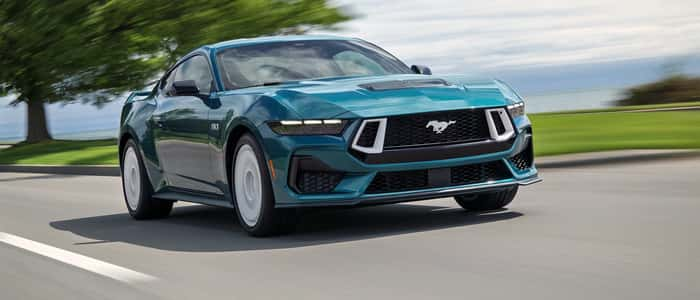

The Ford Mustang has turned heads on American roads for decades, but questions remain about what's under that sleek exterior. How tough is this iconic muscle car in the long run? If you're thinking about buying one, our team at Brewster Ford has the answers. Let's take a deep dive into the Mustang's dependability. Understanding Ford Mustang Reliability Reliability comes down to breakdown frequency and repair costs, both vital stats for Mustang owners. RepairPal rates the Mustang at 3.5/5, placing it 20th among 24 midsize cars. This sounds low until you consider the context. Mustang owners spend about $709 yearly on repairs — more than the $526 average for midsize vehicles but below most sports cars. Your Mustang needs more attention than a family sedan but costs less to maintain than its exotic competitors. J.D. Power offers a brighter view with an 85/100 reliability score. Many Mustang owners report these cars as solid daily drivers that start faithfully on frosty mornings yet still deliver weekend thrills. Keep in mind that reliability varies widely by model year and frequency of maintenance. History of the Ford Mustang The Mustang burst onto American roads in 1964, quickly becoming a symbol of automotive freedom and style. Six generations later, this pony car continues evolving while keeping its soul intact. The original 1964-1973 models set the standard with an affordable blend of style and power. Next came the oil-crisis compact Mustang II in the 70s, followed by the V-8 revival in the 80s and 90s. 1996 marked a major turning point with the introduction of the modular V-8 powertrain, which was much more durable than earlier engines and offered better overall dependability. Recent decades have seen Ford steadily improving what makes a Mustang tick. The 2015 model year finally added an independent rear suspension, which dramatically improved overall ride quality. The current seventh generation, introduced in 2024, features updated engines and fresh tech that could make these cars even more reliable long-term. Ford Mustang Reliability Ratings Explained Reliability ratings blend owner feedback, expert testing, and repair data. They show how often cars break down, the severity of issues, and typical maintenance costs. This gives you a clear picture of what to expect from a Mustang. J.D. Power ranks the Mustang above many sports cars for reliability, and Consumer Reports awarded the 2018 and 2019 models perfect 5/5 reliability scores. These high marks prove that newer Mustangs offer much-improved quality compared to past generations. Mustangs also maintain their value remarkably well. CarEdge places them in the top 25% of popular models for value retention at both five and seven years, a solid indicator of long-term reliability and continued market demand. Year-By-Year Reliability Breakdown Reliability varies dramatically from one model year to the next. The 2005 Mustang stands out as a strong performer, with a redesign that brought retro styling while dodging major issues. The 2014 model, the final fifth-generation version (also called the S197), represents a decade of steady improvements, but not all years fared so well. The 2006 model received 560 owner complaints, many over the Takata airbag recalls. Most Reliable Ford Mustang Years If you're thinking of buying a used Ford Mustang in Brewster, focus on the 2018 and 2019 model years. These cars rank among the most reliable in Mustang history, with noticeably fewer tech glitches and paint issues. These sixth-generation cars benefited from Ford fixing earlier problems. The 2018 refresh notably boosted reliability while updating engines and tech features. Don't overlook the 2014 Mustang either. It represents the peak of the S197 platform. Years With Notable Concerns Consider certain Mustang years with caution. Along with airbag concerns, the 2006 model also suffered fuel system and electrical failures that stranded drivers. The 2010-2012 models battled serious corrosion problems — bad news in Brewster's salt-heavy winters. Paint bubbling on hoods and roofs sometimes progressed to structural rust, tanking resale values and requiring significant repairs. Even the 2018 GT with its new direct-injection V-8 wasn't immune to problems. While performance improved, owners reported engine ticking and abnormal cylinder wear, showing that even newer Mustangs can struggle with fresh technology. Shifts Over the Generations: Fifth vs. Sixth The fifth-generation Mustang (2005-2014) coupled classic styling with decent performance. Later models earned praise for durability, with the 5.0-liter V-8 standing out for longevity — many still run great with simple maintenance The sixth generation (2015-2023) brought the game-changing independent rear suspension. Ford also added an EcoBoost four-cylinder option, offering peppy performance with better gas mileage. Both generations perform well in terms of reliability. Common Ford Mustang Problems Mustangs have their share of issues. Paint problems lead the list, with peeling, bubbling, and fading plaguing many years, particularly on sun-exposed hoods and roofs. In Brewster's harsh climate, these need quick attention. Engine problems include failing camshaft position sensors, causing stalls, and the 2018 GT's ticking engines. Though rarely serious, these malfunctions worry owners and mean service visits. Older manual transmissions have known issues, while electrical glitches affect radios, displays, and backup cameras. Premature wear of suspension parts, such as tie rods and upper bushings, hurts ride quality. While not dealbreakers, you should be aware of these weaknesses. Tips for Buying a Reliable Used Ford Mustang If you're looking for a solid Mustang, focus on the 2005, 2008, 2014, and 2018-2019 model years. Check the paint carefully, especially the hood and roof, where bubbling or peeling signals trouble. Good service records show a well-maintained car that'll serve you better. Consider certified preowned models for extra protection. Test-drive on local roads, and always get a vehicle history report to spot accidents or recurring problems. Maintenance Tips To Boost Mustang Reliability A solid maintenance plan keeps your Mustang running strong: Every 5,000 miles: Change the oil and check the battery, belts, filters, and tires. Every 15,000 miles: Inspect the air and cabin filters, wipers, and alignment. Every 30,000 miles: Check the belts, hoses, brakes, and HVAC systems. At 45,000 miles: Replace the tires, if needed, when the warranty typically expires. At 100,000 miles: Get a full inspection, new drive belts, and spark plugs. Don't skip brake checks, air filter changes, and coolant flushes every 80,000-100,000 miles. Is a Ford Mustang a Reliable Choice for You? After analyzing Mustang reliability, you can feel confident. Though not perfect, many years prove to be remarkably durable. The 2014, 2018, and 2019 models are especially dependable options. Success with a Mustang hinges on choosing the right year and maintaining it properly. Well-cared-for older models can still be faithful rides. Just remember that performance cars demand more attention than family sedans, a fair exchange for the joy they provide. Test-Drive a Mustang at Brewster Ford Today If you're ready for your own pony, visit our dealership to explore our selection of Mustangs in all trim levels. Our knowledgeable team will match you with the perfect car for you, whether it's a weekend toy or a daily driver. With proper care, your Mustang will be your companion for countless exciting Hudson Valley adventures. Image from ford.com