
Blog / Service Tips

Blog

All Service Tips Ford Models Local Tips Local Ford Tips Local Restaurants Driving Tips Electric Vehicles Buying Tips Mustang Tips Used Car Buying Tips Brewster Used Cars Community Events Local Cafes
What Is A Manual Transmission? | Advantages of Manual Transmission

What Is A Manual Transmission?

If you're searching for a new vehicle, you have many options for transmissions. Your options may include manual, continuously variable, and automatic transmissions, each with different benefits. In this article, we'll discuss what a manual transmission (MT) is and examine the benefits of equipping your car with one. When you're ready to drive a new Ford car, SUV, or truck, stop by Brewster Ford in Brewster, New York. What Is a Manual Transmission? An MT, a standard transmission or a manual gearbox, is a multi-speed motor vehicle transmission system that lets you choose between different gear ratios to operate the vehicle. A lower gear offers more torque at the vehicle's wheel but less speed, whereas a higher gear ratio offers less torque but more speed. Manual Transmission vs. Automatic Transmission An MT relies on you to use the gear and clutch to accelerate. An automatic transmission, however, changes to different gears on its own rather than you having to make the adjustments yourself. Most car MTs allow you to choose any gear ratio at any time. For example, you can shift from second to fourth gear or from fifth to third gear. However, sequential MTs, typically used in racing cars and motorcycles, only allow you to choose the next-lower or next-higher gear. Benefits of Manual Transmission Vehicles Here are some of the benefits of owning a manual vehicle: Better Gas Mileage Owning a manual vehicle comes with better gas mileage, possibly increasing fuel efficiency by around 55 to 10%. Although most automatic cars manufactured today are more fuel-efficient, manual vehicles give you more authority over how much you want to save without compromising on either performance or the driving experience. An automatic vehicle has a torque converter and a hydraulic pump, likely increasing fuel consumption. On the contrary, a manual vehicle offers better gas mileage, as you can efficiently control the engine's revolutions per minute by keeping it low while still being able to upshift. You can improve your gas mileage according to your driving style. Cheaper To Buy A manual vehicle from Ford dealers in your area will likely be around $1,000 cheaper than its automatic counterpart. Certified pre-owned vehicles that have an MT are likely to sell for even cheaper. Whether you choose a Ford Bronco, Ford Mustang, or Ford Ranger, the manual versions of these vehicles are less likely to sell compared with their automatic counterparts. Many people today don't know how to drive a vehicle with an MT, making these options cheaper since dealerships need to get them off the lot. More Power An automatic transmission is designed to shift in a basic way that doesn't use all its engine's power. This is fine for the average driver, but more serious drivers prefer an MT to take advantage of the engine's power thanks to more exact and specific transmission shifts. This can also help increase the fuel economy of the vehicle. More Control and Fewer Distractions You have more control over the behavior of your vehicle's gearbox, making the driving experience more enjoyable for you due to the responsiveness and control it gives you. It's important to listen to the engine whenever you drive a manual vehicle since the downshifts and upshifts are up to you. Shifting an automatic transmission can be reasonably unpredictable, as it relies on the computer and torque converter to shift gears. Notably, most newer vehicle models have paddle shifters that create the simulated ratio for choosing gears. Controlling the clutch, however, is not possible. A stick shift provides you with more than just transmission. An MT greatly increases your control regarding braking, as you can control the clutch, which proportionately distributes the torque necessary. Cheaper To Maintain Whether used or brand new, a manual vehicle is often cheaper than an automatic one for repairs and maintenance. Several things can go wrong in an automatic due to a transmission failure. An automatic may be efficient, but if you consider the problems resulting from additional sensors, machinery, technology, and electrical parts, these could potentially equal more repair costs. An MT, on the other hand, is simple. The most common issue you'll have with a manual is the clutch. A clutch can last for hundreds of thousands of miles or several years. This simplicity in stick shift vehicles comes with minimal repair and maintenance costs. If you suspect your Ford's transmission is not performing properly or have any queries about preventive transmission maintenance, contact us. We at Brewster Ford have Ford-certified technicians who provide quality service, repair, and maintenance. With many years of experience, our technicians have completed advanced training and are confident working on any Ford model you own. Less Likely To Get Stolen Since automatic vehicles came to the market, people have overlooked how to drive a manual. There are now more automatics on the roads than you can imagine, and many people today have no idea how to drive manual vehicles. A vehicle with an MT could deter any car thief intending to steal your vehicle due to a lack of familiarity. While it may not be an issue, they will probably rethink driving it. This perception can easily discourage someone from borrowing or stealing your vehicle. Self-Starting With a manual car, you don't need to depend as heavily on the battery to start the vehicle. This can be very helpful if your vehicle's battery is weak and there's no one around to jump-start your vehicle. You can give the vehicle a rolling start — once you are moving, you can put the vehicle in gear and release the clutch, which should start. Learn More About Transmissions at Brewster Ford Consider visiting our dealership if you'd like to test-drive a Ford model with an MT. We are located at 1024 Route 22, Brewster, New York. Our highly trained sales team is ready to walk you through the available transmissions of various Ford models. Please stop by to find out how our finance center makes the car loan process stress-free, or reach out to us online with any questions. Photo Credit: Image by Sven D is licensed with Unsplash License

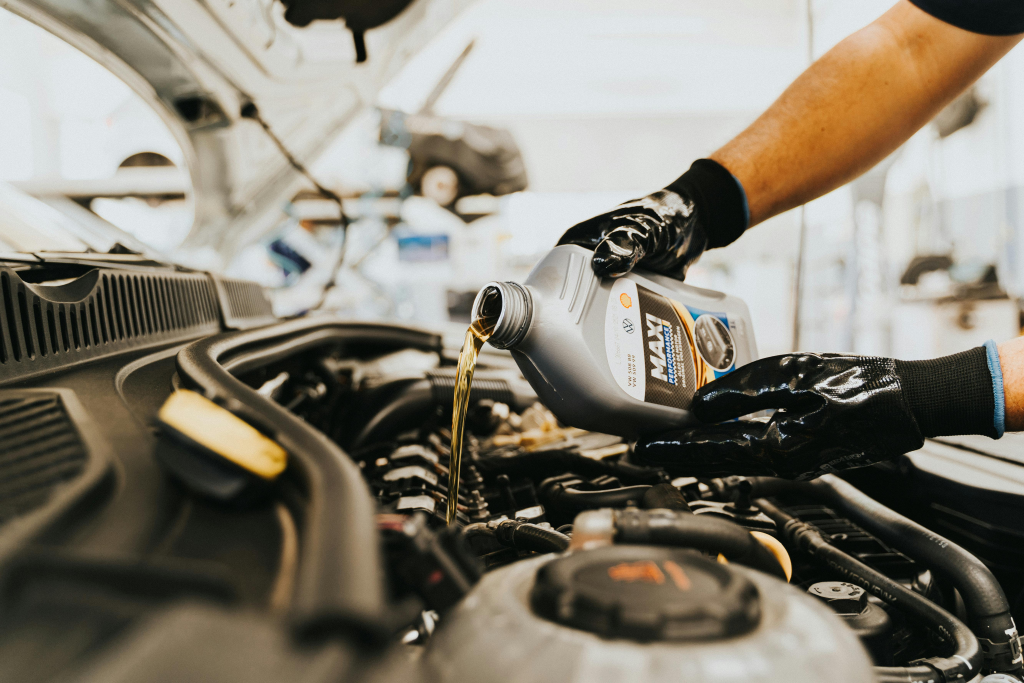
Technician performing Oil Change in Carmel, NY

How Long Do Oil Changes Take?

It's impossible to discuss vehicle maintenance without mentioning oil changes. An oil change is crucial to your vehicle's long-term performance. Some vehicle owners may turn the other way when this topic arises because they don't understand how the service works. Our team at Brewster Ford is here to clear up any confusion you may have. Below, you can learn everything about oil changes, including how long they usually take, the frequency for one, why they're important, and how to get one at Brewster Ford. How Long Do Oil Changes Take? The time it takes to change a vehicle's oil can depend on several factors. For example, you can first consider who's conducting the oil change. If you're doing it yourself and have never done so before, it can take up to an hour or longer to complete the process accurately. While it's possible to change your engine oil yourself, you can save a lot of time and hassle by recruiting a professional's services to complete this maintenance task. You can bring your vehicle for an oil change to a quick change shop or a dealership's service center. At a quick change shop, the employees specialize in performing oil changes. Because that's all they do every day, they often work quite efficiently. You may be able to get your oil changed in as little as 15 to 30 minutes. Your other option is to visit a dealership's service center. Here, you can get a similar level of quality, as the employees complete oil changes regularly. However, you may expect to wait anywhere between 25 and 45 minutes at a dealership's service center because this service isn't the only one on employees' to-do lists. You may also have to wait longer at a service center because of the inclusion of other services, like a complimentary brake check. Another factor to consider when determining how long an oil change takes is the type of vehicle you drive. Some cars have easy-to-access oil filters and drain plugs on the bottom of the vehicle. Other vehicles may have these components in less accessible places, making it more time-consuming to complete an oil change. Why Are Oil Changes Important? Here are some reasons to prioritize engine oil changes when they're due: Oil Changes Promote Engine Efficiency When you get regular oil changes, you may notice that your engine works more efficiently. This means that you can travel more miles for every gallon of gas you put into your vehicle. Your engine won't have dirt and other particles that could otherwise cause it to chug along rather than operate at its prime. Oil Changes Prolong the Life of Your Engine Dirty oil increases friction within your vehicle's engine. Less lubrication can cause engine components to rub against each other and result in faster wear and tear. Regular oil changes can prolong the life of your engine and decrease the friction that's present, which means your engine won't be as prone to overheating. Oil Changes Can Help You Pass Emissions Tests Some states, including New York, require drivers to submit their vehicles for an emissions test. An emissions test ensures your vehicle's greenhouse gases fall within state limits. When you get your engine oil changed regularly, you don't have to worry about your engine's performance falling behind modern standards. What Is the Suggested Frequency for an Oil Change? You might have heard the advice to get an oil change whenever your vehicle travels 3,000 miles. Although this advice was applicable in the past, advancements in oil quality and engine performance have made this rule obsolete. You no longer have to change your engine oil as frequently. While too-frequent oil changes won't hurt your engine, they will waste money and resources. In general, it's good practice to change your oil every 7,500 or 10,000 miles. Depending on how frequently you drive, you may have to get an oil change every six to 12 months. Remember that these frequencies are general guides to show you how frequently you may need to get an oil change. Refer to the owner's manual for your vehicle for the most accurate oil change schedule to follow. If you've misplaced your owner's manual or want confirmation that you're following the correct oil change schedule, contact us at Brewster Ford. Stop by our service center so our team can evaluate your vehicle's condition, model, and year to recommend the appropriate oil change frequency. What Does a Repair Technician Do During an Oil Change? A repair technician begins an oil change by removing your vehicle's oil pan to let the old oil drain out of your vehicle. Then, they'll replace the old oil filter with a newly lubricated one. Finally, they'll replace the oil pan and pour the new oil. A service technician will pour in the oil type your vehicle's owner's manual recommends. Different oil types have different viscosity grades and service ratings, so your service technician will make the appropriate choice for your vehicle type. Does Brewster Ford Offer an Express Program? Brewster Ford offers something called The Works. This program ensures you get your oil change done, but it comes with so much more than that. Other services included with The Works are: Belts and hoses check. Filter check. Battery test. Fluid top-offs. Comprehensive vehicle checkup. Brake inspection. Tire rotation and tire pressure check. Our team at Brewster Ford in Brewster offers these services alongside an oil change to ensure your vehicle is in tip-top shape. We want to get you back on the road so you can embark on any adventure with the peace of mind you deserve. Feel free to read our customer testimonials to see how we've delivered quality service. How To Schedule an Oil Change at Brewster Ford Here at Brewster Ford, it's easy to schedule an oil change. Simply fill out our online form, which requests information on your vehicle's make, model, and year. One of our service technicians will get back to you so we can schedule an appointment efficiently. Visit our oil change page for more information on this essential vehicle maintenance service. You can also contact our team to ask any questions you may have or get clarification on what we can do for your vehicle's longevity. Photo Credit: Pouring Oil to Engine by Daniel Andraski is licensed with Pexels License

Tire Rotations Ford Mustang

Why Are Tire Rotations Important?

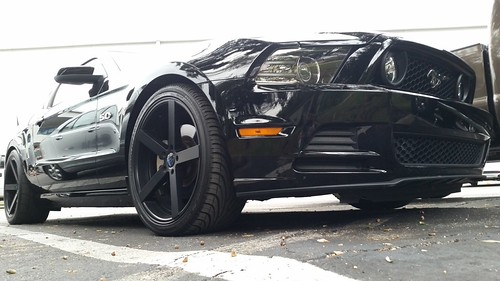
Your vehicle's tires significantly influence your driving experience. They're essential to how well your car steers, handles, accelerates, and brakes. However, they can wear out and become misaligned over time, leading to inferior ride quality and potential safety issues. Then again, if you maintain your Ford vehicle's tires regularly, you can keep them in good working order. Find out how tire rotations and alignments work and why you should include them in your auto maintenance routine. What Is a Tire Rotation? A tire rotation is a process of switching the position of each individual tire on your vehicle. Generally, rotating your tires should happen every 5,000 miles or according to your vehicle manufacturer's recommendations. It's a good idea to get this service while going in for an oil change. A tire rotation presents a great opportunity to visually examine your tires for signs of damage, measure their tread depth, look at their air pressure, and rebalance them if you notice any vibrations. Why Are Tire Rotations Important? Regularly rotating your wheels helps distribute wear evenly across each tire, increasing their tread life. This is because different positions on your car may need a different give from each tire. For instance, the front tires of a front-wheel-drive car will take a greater proportion of the friction and torque needed for accelerating, turning, and braking. This can result in unpredictable wear on the tires. It's especially vital for new tires to be rotated before 5,000 miles, as tire tread that's deep and fresh is more vulnerable to uneven wear. Preventing uneven tread wear helps keep your tires' tread depth uniform, which leads to more consistent traction and handling across all four tires. This will enhance your vehicle's braking and cornering performance, making it safer to drive. If you own an all-wheel-drive vehicle, evenly worn tires can reduce strain and wear and tear on your drivetrain and help you avoid costly repairs. What Happens If You Drive With Misaligned Tires? Failure to rotate your tires regularly can cause them to be misaligned. Misaligned tires may lead to uneven wear patterns that lower the life span of your tires. Taking your vehicle to a service center for routine tire alignments is an excellent preventive maintenance solution that can make your tires last longer, regardless of whether you have premium or discount ones. You may find your steering wheel leaning to one side or jerking out of your hands when you have alignment issues. If you're struggling to drive in a straight line or holding your steering wheel in one direction to keep your vehicle moving forward, it's a sign that it may be time to get your tires rotated. Even a small steering problem can escalate dramatically when your tires are misaligned. For example, hitting an unexpected pothole can cause you to lose control of your car. Over time, driving on misaligned tires may damage your suspension. As a result of alignment issues, your suspension system is likely to experience excessive stress on one side, causing it to wear out faster than on the other side. Getting a tire rotation or realignment is much more affordable than replacing your suspension. What Tire Rotation Pattern Should You Use? The best tire rotation pattern for your vehicle depends on what type of tires you have, what kind of drivetrain your car is equipped with, whether you're using directional or non-directional tires, and whether or not the size of your front and rear tires are the same. The following are the recommended tire rotation patterns for different types of tires and vehicles: For Non-Directional Tires of Uniform Size Rearward cross: The rearward cross pattern may be suitable for your vehicle if it's rear-wheel, four-wheel, or all-wheel drive. The front tires are moved to the rear axle on the opposite sides, while the rear tires are brought forward and remain on the same side. X-pattern: The X-pattern is recommended if you own a front-wheel-drive vehicle, such as a sedan or lightweight truck. All tires are swapped diagonally, meaning they're repositioned from one axle to the opposite and switched from one side to the other. Forward cross: The forward cross pattern is commonly used on front-wheel-drive cars. The rear tires are diagonally repositioned so that they're on the opposite sides of the front axle, and the front tires are moved back directly. For Non-Directional Tires of Uniform Size and With a Full-Size Spare Rearward cross (four-wheel or rear-wheel-drive cars): The spare tire goes to the right side of the rear axle, while the rear tires are moved up directly to the front. The left front tire is now your new spare, and the right front tire is switched diagonally to the opposite side of the rear axle. Forward cross (front-wheel-drive vehicles): The rear tires are repositioned to the front on the opposite sides, while the right side of the front axle becomes the new spare tire. The front left tire is moved directly back, while the spare occupies the right side of the rear axle. For Directional and High-Performance Tires Side-to-side: The side-to-side pattern is ideal if your vehicle has high-performance tires of different sizes on the front and rear axles. The tires stay on the same axle and swap sides with their same-sized partner. Front-to-back: This tire rotation pattern is used for vehicles with directional tires. The tires are switched to a different axle but stay on the same side of the car. If you're looking for top-quality tire rotation or alignment services in Brewster, New York, consider taking your vehicle to Brewster Ford. Serving Brewster, Peach Lake, Lake Carmel, Croton Falls, Mahopac, Patterson, and Katonah, our dealership has a Ford-certified service center that provides the full range of tire services, including tire rotations and tire replacements. No matter which Ford model you own, you can count on our factory-trained technicians to help you keep your tires performing at their best. Contact us today to schedule an appointment. Photo Credit: 2015 Ford Mustang 5.0 GT by Michel Curi is licensed with CC BY 2.0

Ford Auto Service

Why Is Regular Auto Maintenance Important?

Auto maintenance is extremely important whether you recently bought a new car or are still driving your old clunker. No matter how old your car is or what type of vehicle you have, scheduling regular maintenance visits with a trusted dealership like Brewster Ford is crucial for maintaining its longevity on the road. Here are some reasons why regular car maintenance is essential. Reduces the Cost of Future Repairs Regular car maintenance can help keep your engine and powertrain working efficiently, which decreases the likelihood of having expensive repairs in the future. Dealerships have designed special tools for performing preventative maintenance, so you don't need to worry about doing the repairs yourself. If you have a Ford truck or car, you may consider bringing your vehicle to Brewster Ford for your regular maintenance. To schedule an appointment, contact our service department. Assists in Preventing Motor Vehicle Accidents There are many things that can go wrong with the vehicles that you can't see, such as worn parts, loose bolts, and contaminated fluids. Worn parts give off less power than they're supposed to, so your vehicle may seem sluggish. Loose bolts can cause potentially dangerous accidents. Contaminants in the oil or transmission fluid can reduce the effectiveness of vital systems in your cars, such as the power steering or braking system. Damage to these essential systems could cause you to lose control of your vehicle, which is why regular maintenance is important for safe driving. Protects Against Wear and Tear Regular maintenance is essential for protecting your vehicle against regular wear and tear from driving. For instance, if your vehicle has older brake pads, they may cause damage to your brake rotors if not replaced in a timely manner. Additionally, if your car doesn't receive regular maintenance, oil seals may crack or break down, leaving your motor oil to leak or pour out. If parts that reduce the amount of friction wear out, they may lead to premature engine failure. Worn parts can also cause components to fail, which can result in substantial damage. Gives You Peace of Mind If you drive a car that doesn't get regularly checked or maintained, you may become anxious about whether you will make it to your destination safely. If your vehicle breaks down in a remote location, you could get stuck, be unsafe, or even lose your job. Consider investing in regular maintenance each time the oil is changed and before long road trips to give you peace of mind that your car will be able to take you wherever you need to go. Makes It Easier To Sell Your Vehicle If you're trying to sell your car and want to obtain a better price for it, regular maintenance is important because buyers place a high value on well-maintained vehicles. Buyers often complete vehicle inspections, which can reveal a lot about the car's condition. CARFAX reports also show how often a vehicle receives maintenance, which can have a large impact on the selling price. For example, if your vehicle received regular oil changes and maintenance while you owned it, this may improve the buyer's confidence that the vehicle is in good condition. Improves Engine Quality and Gas Mileage If you get regular oil changes, your car's engine will run more smoothly over time. As you continue to drive, the oil in your vehicle thickens and deteriorates, causing dirt and grime to enter and cause damage to engine components. Changing the oil in your vehicle as soon as your owner's manual or dealership suggests can make the engine operate more effectively and for longer. This can also improve your gas mileage by maintaining the efficiency of your powertrain. Improving your gas mileage is a great way to save money over time while owning a vehicle long-term. Reduces Chances of Engine Overheating Overheating is one of the most common reasons why vehicles get stranded while they're on the road. If your engine is overheating when you're driving, it's possible that there are problems with your radiator. Most vehicles have indicators of engine heat that can help you identify this issue. Getting regular maintenance can ensure you have enough engine lubricant and radiator fluid to maintain the temperature levels of your engine. Ensures Optimal Tire Type and Pressure Another common issue that regular maintenance can fix is improper tire type and pressure. Though tire pressure may seem like a simple fix, improperly inflated tires can cause serious harm to your vehicle and the passengers inside. Additionally, if you experience cold temperatures in the winter, it's essential to put winter or all-season tires on your vehicle to maintain traction during the snowy season. Bringing your car or truck in for service at Brewster Ford can help ensure that your tires have the optimal pressure and traction for any season. We also offer tire rotation services to ensure the even wear of your tires. Helps Keep Your Cooling and Heating Systems Working Properly Regular maintenance can help ensure your vehicle's heating and cooling systems work effectively when you need them most, from changing filters to fixing AC leaks. Service appointments typically include regular checks for air filter quality and coolant levels. At Brewster Ford, we always let you know if your air filters could use replacing, and we have highly trained professionals capable of repairing almost any heating or cooling system. If you need to get your car serviced, stop by Brewster Ford for all of your service needs. You can always visit Brewster Ford for the best service in New York, even for regular oil changes. We also provide comprehensive maintenance services, such as tire, brake, fluid, and engine services, at great prices. You can also stop by if you're ready to purchase a new car or truck. We may even have coupons available for your next visit. Our team at Brewster Ford is ready to help you with all your service needs, so give us a call today. Photo Credit: Ford by Mike Mozart is licensed with CC BY 2.0

Noises That Indicate It's Time for Service

How to Know You Should Service Your Car

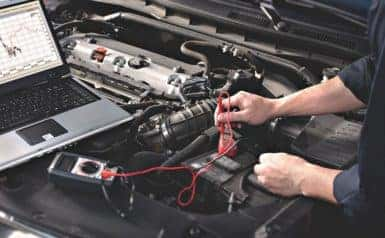
Summer is here, and you may spend your free time hitting the road and exploring New York travel destinations on your season's to-do list. You may also want to ensure that your vehicle delivers optimal trip performance. If you detect reduced performance while driving around, it may signify an underlying issue you can solve by scheduling maintenance service at our dealership. Ignoring such issues may cause further damage since the vehicle may struggle to deliver and maintain peak performance. Our team at Brewster Ford has highlighted signs that you may need routine auto maintenance service to avoid incurring high repair costs from your vehicle's damaged parts. Noises That Indicate It's Time for Service Typically, if you hear any unusual noise while driving around Brewster, it may signify that some car components aren't functioning correctly. Here are some noises to look out for and what they could indicate: Ticking or Clicking Noise A ticking or clicking sound can indicate low engine oil or an issue in your vehicle's valvetrain. If the engine oil is too low, you risk damaging your engine due to friction on the engine parts. You can temporarily solve the problem by adding engine oil that will tide you over on your drive to a dealership's service center. Squealing Noise Squeals may come from your engine or brake pads when you step on the brakes. Squeals coming from the engine can be due to the loosening of the serpentine belt. The serpentine belt transfers power from the crankshaft to essential engine parts like the water pump and the alternator, so you should schedule a repair as soon as you detect any issues. If the squeals happen when you step on the brakes, the brake pads are likely worn down and require replacement. Rumbling or Roaring Noise A rumbling noise underneath the driver's seat may indicate a leak in the manifold of your exhaust system. Ordinarily, the rumbling noise isn't heard because of the muffler. However, when the exhaust system fails, all the engine noises and carbon monoxide can leak into the car's cabin. When you hear this rumbling noise, head to our dealership in Brewster to avoid carbon monoxide poisoning. Flapping When you hear a flapping sound when you turn on your air conditioner, it may mean there's a loose or worn-out ventilation flap. Usually, the air gets into the cabin without obstructions in the vents. A loose ventilation flap will move around when air pressure hits it, creating a flapping sound. Flapping sounds shouldn't cause alarm, although they can irritate you while driving. To solve this, you can schedule an AC performance check. A Loud Bang Sudden bangs may indicate a backfire in the combustion chamber. These bangs occur whenever fuel that didn't burn in the combustion chamber escapes and burns up in the exhaust. Fuel and air in the combustion chamber typically mix perfectly to prevent backfires. Due to the force of the loud bangs, your vehicle parts may be damaged, so bring your car in for service as soon as possible to avoid further damage. Benefits of Routine Maintenance All vehicles experience wear and tear, so regular maintenance servicing is vital to keep them functioning efficiently. Servicing also helps maintain the condition and value of your car. Here are the benefits of routine maintenance: Reduced Repair Costs Routine maintenance is a preventive measure by repairing faulty parts or components before affecting other areas around them. Repairs help you save money in the long run by fixing minor problems before they become significant issues. For example, by getting a routine check done, you can spot when the engine oil is lower than usual and refill it instead of being unaware and eventually damaging your engine. Improves Fuel Economy Routine maintenance may increase your vehicle's fuel efficiency by up to 3%. Maintenance checks, such as correcting tire pressure, can also improve fuel economy. Fuel economy improves because the vehicle won't need to strain to compensate for the lack of tire pressure while driving. Another maintenance check that improves fuel economy is changing the motor oil since it spares the engine from blockages that may lead to reduced efficiency. Higher Vehicle Value If you intend to sell your car later, scheduling routine maintenance helps your vehicle retain its value. Usually, vehicles with a good maintenance history are highly sought after and fetch a good amount of money from interested buyers. Warranties in most new cars also require that you perform routine maintenance to keep them valid. Vehicle Safety Service technicians spot any damage or malfunction and fix it before it becomes a danger, improving safety for you and others on the road. For example, replacing worn brake pads in time could help avoid collisions due to brake failure. Fixing any broken parts, such as the fuel cap, that may lead to increased carbon emissions is an environmentally conscious decision too. Vehicle Longevity Maintenance services can extend your vehicle's life span too. Services like oil changes, replacement of worn parts, and tire rotation ensure that any issues with the vehicle parts don't affect other areas. For example, if you don't keep the power-steering fluid at the proper level, you may eventually need to replace the whole power-steering pump and rack. Scheduling maintenance service also means you won't need to worry about buying a new vehicle for a long time due to the dependability of a well-maintained vehicle. Schedule Maintenance Servicing at Brewster Ford Pay close attention to the signs your vehicle needs maintenance work and act accordingly to prevent dangerous situations on the road. Also, putting off routine maintenance can cause a small problem to become a big one, which will be more expensive later on. You could avoid that by scheduling a service appointment. At Brewster Ford, we value our customers and their vehicles, so we conduct thorough maintenance services on your car every time you bring it to us. Our services range from preventive car maintenance and engine diagnostics to brake repairs and part replacement. We have expert trained technicians who will handle any maintenance job promptly to get you back on the road soon. You may also use our service specials to reduce repair costs if your vehicle is out of warranty. Get in touch with Brewster Ford Brewster, New York, to schedule your next maintenance service. Photo Credit: Image used with permissions via Ford.com

Contact Us

Fill out this form below and we'll contact you shortly
*Required Fields