
Blog

All Ford Models Local Tips Local Service Tips Ford Tips Local Restaurants Driving Tips Electric Vehicles Buying Tips Mustang Tips Used Car Buying Tips Brewster Used Cars Community Events Local Cafes
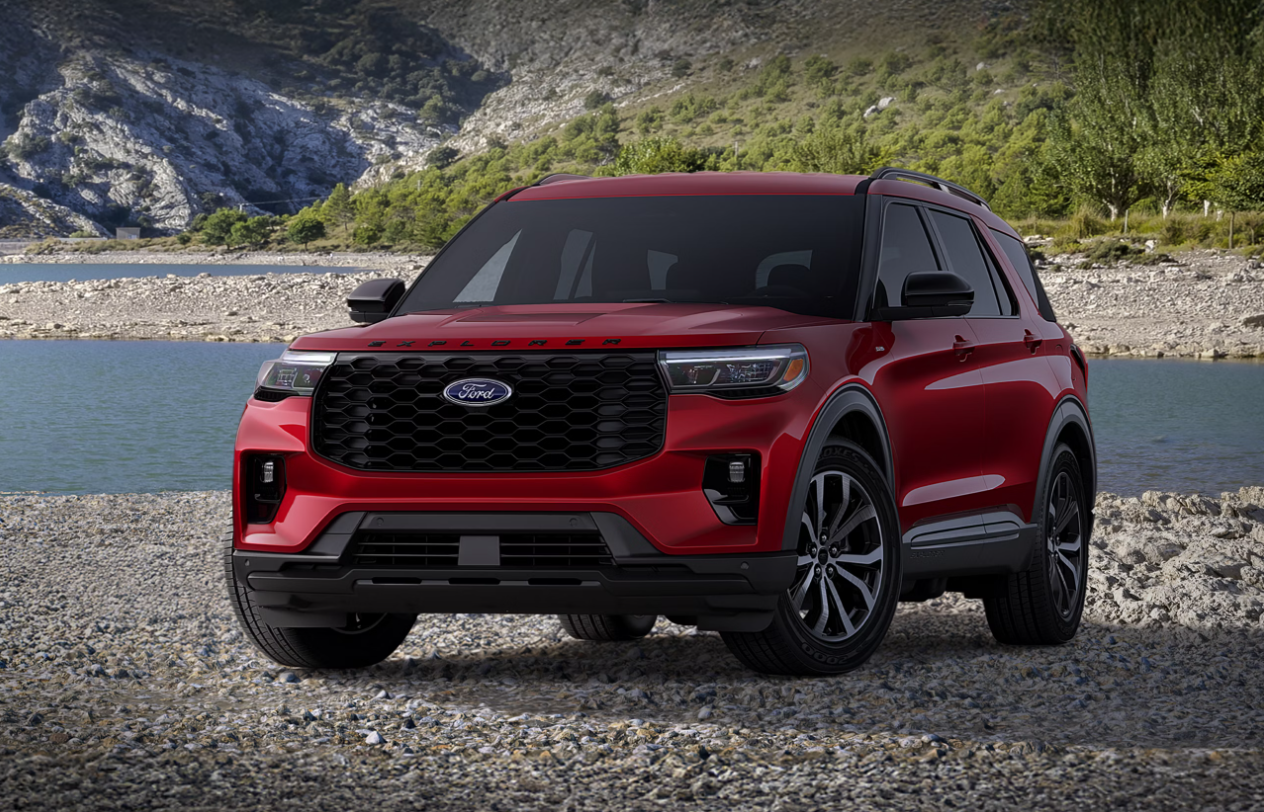
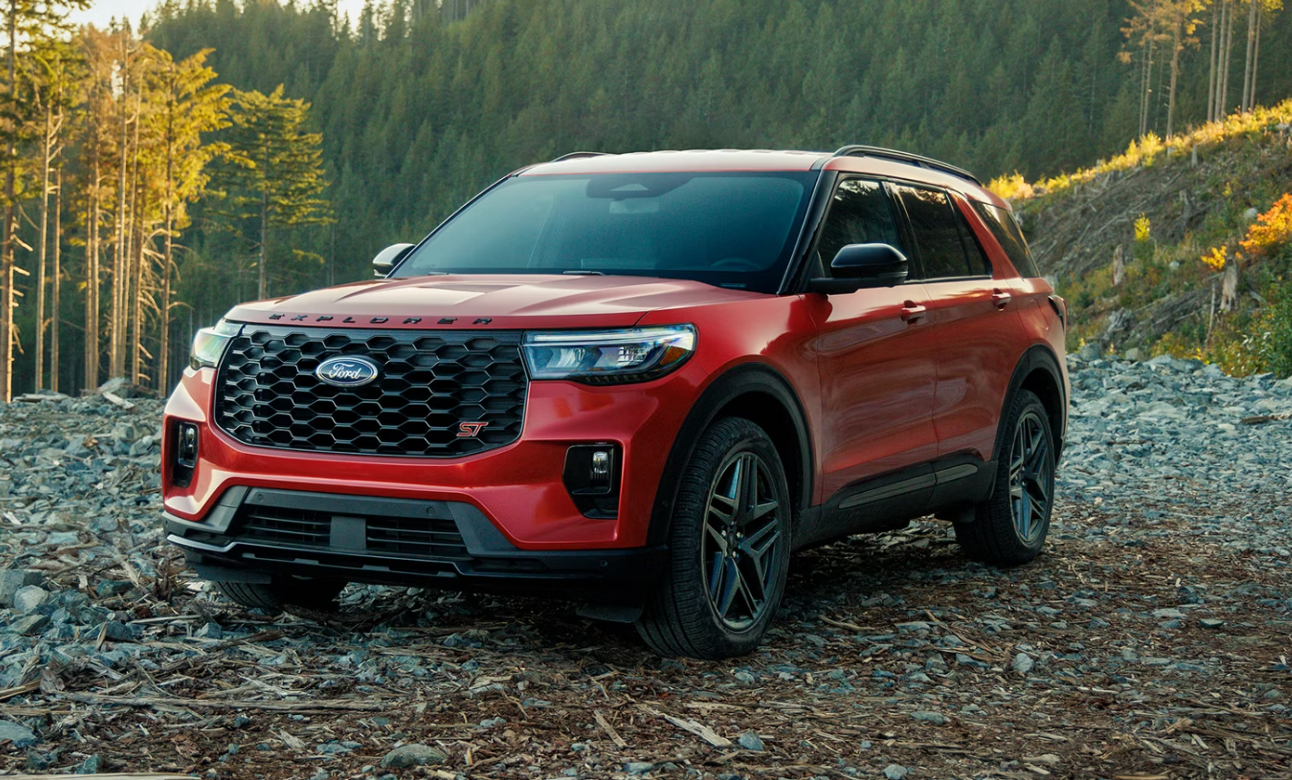
Red 2026 Ford Explorer ST parked in forest

2026 Ford Explorer ST vs. Active: Performance & Comfort Comparison

Imagine you're a Brewster-area shopper weighing two very different versions of the same SUV. One promises an engaging, athletic drive on Route 22 and the back roads of northern Westchester. The other promises dependable, family-friendly versatility through every school run, slushy January commute, and everything in between. Both are the 2026 Ford Explorer, and both make a strong case. If you're trying to decide between the ST and the Active, we put together this comparison to help you sort it out. You're also welcome to browse our Ford SUV inventory at Brewster Ford while you research. Where the ST and Active Sit in the 2026 Explorer Lineup The 2026 Ford Explorer lineup includes the Active 100A, Active, ST-Line, Tremor, Platinum, and ST. Understanding that spread makes the comparison easier. The ST is the performance-focused flagship, tuned for drivers who want maximum output and sport-calibrated dynamics. The Active sits at a thoughtfully equipped position in the lineup, prioritizing outdoor capability and family usability over raw power. Neither trim is a compromise. Each is purpose-built. The difference really comes down to what kind of driver you are and which trips fill up your week. 2026 Ford Explorer ST: Built for Drivers Who Want More The 2026 Ford Explorer ST makes its intentions clear from the moment you look at it. This is a performance SUV built for drivers who expect their vehicle to respond with urgency and precision. Performance Engine and Sport-Tuned Dynamics The ST runs Ford's 3.0L twin-turbo EcoBoost V6. The ST produces 385 hp and 415 lb-ft of torque. This is substantially more power than any other trim in the Explorer lineup. RWD comes standard, with Intelligent 4WD available as an option to put that power down efficiently in all conditions. The sport-tuned suspension is calibrated for sharper handling and reduced body roll, giving the ST a road-connected feel that most three-row SUVs don't offer. Performance brakes and a quad-tipped exhaust are part of the package as well. For drivers who regularly take the winding roads between Brewster and the broader Westchester area, that responsive handling translates into a noticeably more engaging daily drive. Highway merges and passing feel immediate and confident rather than effortful. ST Styling, Interior Appointments, and Cabin Experience The ST carries a more aggressive exterior stance, with blacked-out accents and unique badging that visually separate it from other Explorer trims. It signals its performance orientation without going overboard. Inside, the theme continues. Sport-bolstered seating provides lateral support during spirited cornering, while premium materials and an athletic cabin feel keep things refined rather than race-car spare. The three-row layout seats up to seven, and while the ST prioritizes driver engagement, it retains the Explorer's fundamental practicality. Ford's infotainment suite ties everything together through a large central touchscreen. 2026 Ford Explorer Active: Comfort, Capability, and Everyday Value The 2026 Ford Explorer Active takes a different approach. Rather than chasing performance numbers, it focuses on all-weather capability and family usability. It's built for people who need their SUV to handle real life without friction. Turbocharged Efficiency and Intelligent 4WD The Active runs Ford's 2.3L EcoBoost I-4, producing 300 hp and 310 lb-ft of torque. It won't match the ST's output, but it has more than enough for everyday driving while keeping running costs sensible. For families commuting into White Plains or making regular road trips across New York, that efficiency adds up over time. Available Intelligent 4WD adds meaningful confidence on wet pavement and packed snow. If you're dealing with Hudson Valley winters on Route 22 or heading north into the Catskills on weekends, this system works automatically, distributing torque where it's needed without requiring driver input. The Active's ride is more forgiving than the ST's sport-tuned setup, absorbing rough patches and road imperfections in a way that makes longer family trips more comfortable for every passenger. Active Interior, Family Space, and Versatility The Active's strongest argument is its cabin. Seating is comfortable across all three rows, with the emphasis on usable space rather than tight sport-style contouring. Cargo flexibility is excellent, with multiple configurations that can fit a stroller and sports equipment alongside bags for a weekend trip without forcing awkward compromises. Storage solutions and interior layout reflect how families actually use their vehicles day to day. The technology suite includes user-friendly connectivity and Ford's standard safety features, keeping every trip comfortable and connected whether it's a school run or a weekend escape. The overall cabin character is relaxed and confident rather than driver-focused and intense. ST vs. Active: Head-to-Head Comparison Chart Two very different vehicles sharing the same nameplate. Here's how they stack up. Aspect 2026 Ford Explorer ST 2026 Ford Explorer Active Core Focus Performance, driver engagement Everyday versatility, family value Standard Engine 3.0L twin-turbo EcoBoost V6 2.3L EcoBoost I-4 Output 385 hp / 415 lb-ft 300 hp / 310 lb-ft Drivetrain Standard RWD (Intelligent 4WD available) Available Intelligent 4WD Ride Character Sport-tuned, firm, road-connected Comfort-tuned, forgiving, family-friendly Best For Driving enthusiasts, performance-focused buyers Families, commuters, all-weather versatility Both trims share the Explorer's spacious three-row layout, modern safety technology, and build quality. The differences are real but targeted. This is a comparison about lifestyle fit, not about one trim being objectively better than the other. Which Explorer Fits Your Hudson Valley Lifestyle? Living in the Hudson Valley means your vehicle earns its keep across a wide range of conditions. Icy roads in January, hiking trails in October, school drop-offs on a Wednesday morning, long hauls down I-684 on a Friday afternoon. Each puts different demands on an SUV. The right Explorer trim is the one that handles your particular mix most naturally. If your household leans toward weekend adventure and the occasional towing job, and if you actually enjoy driving rather than just tolerating it, the ST is easy to recommend. It rewards engaged drivers and brings a level of excitement to everyday routes that the Active isn't designed to replicate. It's also the right call for buyers who want the most powerful Explorer in the lineup without looking elsewhere. For growing families, frequent local commuters, or anyone who puts a premium on practicality alongside solid all-weather performance, the Active is a strong choice. It handles the realities of family life without asking you to give up comfort or capability. Contact us at Brewster Ford for current pricing on either trim; we're happy to walk through the value each one offers and help you figure out which fits your budget and priorities. Find Your 2026 Ford Explorer at Brewster Ford Brewster Ford is the dedicated Ford dealership within the Volz Auto Group's four-store network, located at 1024 Route 22 in Brewster, NY. We serve northern Westchester County and surrounding communities, and our team can walk you through both Explorer trims in person. Whether the ST's performance focus or the Active's everyday practicality sounds more like your life, explore our current 2026 Ford Explorer inventory to see what's in stock. You can reach our sales team at 845-205-7019. Sales hours run Monday through Thursday from 9 AM to 7 PM and Friday through Saturday from 9 AM to 6 PM. A test drive is the most reliable way to make this decision. Specs and comparison charts tell part of the story, but the way an ST feels through a corner or the way an Active's cabin absorbs a rough patch of road tells the rest. Reach out to us at Brewster Ford to schedule a test drive of the 2026 Ford Explorer ST, the Active, or both, and find the Explorer that fits your life.
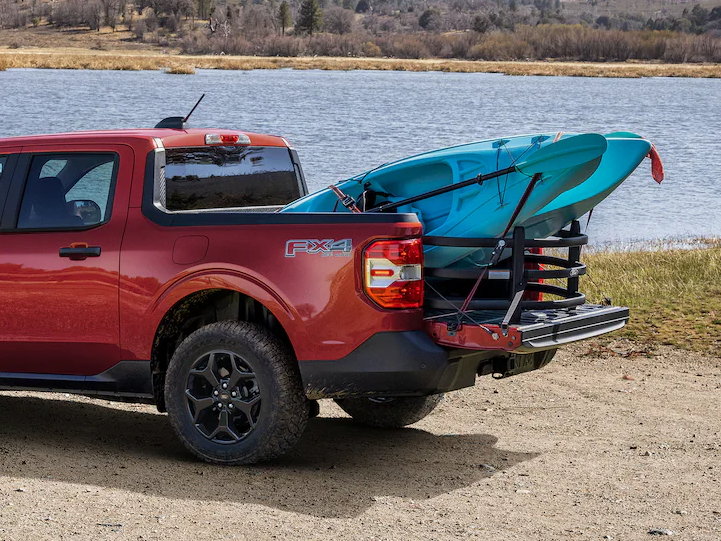
Red 2026 Ford Maverick with Accessories

Accessory Spotlight: Best Ford-Approved Upgrades for Your Truck or SUV

Your Ford truck or SUV already does a lot of heavy lifting straight from the factory. But the right accessories can take it from capable to genuinely custom-built for how you actually live. Whether you're hauling gear through northern Westchester County or chasing trails on weekends, Ford-approved upgrades let you personalize your vehicle without giving up reliability or warranty coverage. This guide covers the best Ford upgrades across every category, from cargo management and off-road performance to interior comfort and exterior style. If you have questions about anything below, reach out to our team and we'll help you find the right fit for your vehicle. Why Ford-Approved Accessories Are the Smart Upgrade Choice The aftermarket is full of options, but not all upgrades are created equal. Ford Performance and OEM accessories are engineered specifically for Ford vehicles, which means they fit correctly, perform as expected, and don't create headaches down the road. That matters more than most people realize. Generic parts might look similar and cost less upfront, but they can introduce compatibility issues, void portions of your warranty, or simply wear out faster. Ford-approved accessories meet the same quality standards as the vehicle itself. The Magnuson-Moss Warranty Act establishes that Ford cannot void your warranty solely for using OEM-approved accessories, which gives you real protection when you upgrade the right way. Higher-risk modifications like ECU tuning or forced induction are a different story, and we always recommend consulting with us before buying anything that could affect your powertrain warranty. For drivers considering Ford modifications or F-150 upgrades, starting with Ford Performance and OEM options gives you a solid, warranty-compatible foundation to build from. Best Ford Upgrades for Cargo Management and Utility Utility is one of the biggest reasons people choose a Ford truck or SUV in the first place. These cargo-focused upgrades help you use that capability to the fullest. Tonneau Covers and Bed Liners A tonneau cover is one of the most practical upgrades we install on F-150 and Super Duty trucks. It protects cargo from weather and theft while improving aerodynamics. Fuel efficiency improvements can range anywhere from 5-10% depending on driving conditions, cover type, and vehicle configuration. Soft folding covers are lighter and easier to remove when you need full bed access. Hard roll-up covers offer more security and a cleaner look. For contractors making daily runs around Brewster, NY or hauling tools on I-84, both are solid choices. Bed liners work alongside tonneau covers to protect the truck bed itself. Without one, regular use leads to scratches, dents, and eventually rust. A quality liner takes the punishment so your truck doesn't have to. Roof Racks, Hitches, and Cargo Organization When the bed isn't enough, a roof rack opens up real carrying capacity. Ford Roof Rack Crossbars for Explorer and Bronco support dynamic load limits that vary by model and configuration (see your Owner's Manual for exact specifications), making them ideal for carrying kayaks, bicycles, and oversized gear. Our new Ford SUVs come ready for these add-ons with clean factory integration points. Hitches are equally vital for anyone who tows. A standard Class IV hitch handles up to 10,000 lbs, while an F-150 with the Max Trailer Tow Package reaches up to 13,500 lbs maximum towing capacity. Whether you're pulling a boat to Lake Kitchawan or hauling a trailer loaded with landscaping equipment, a properly rated Ford hitch keeps you towing within spec. Cargo nets, dividers, and bed organizers add a final layer of organization that makes a genuine difference on longer drives. Upgrade Comparison: Key Ford Accessory Categories Upgrade Type Compatible Ford Models Primary Benefit Warranty Risk Level Best Use Case Tonneau Cover F-150, Super Duty Cargo security, fuel efficiency improvement of 5-10% Low Contractor tool transport, daily commuting Roof Rack Crossbars Explorer, Bronco Dynamic load capacity varies by model (see Owner's Manual) Low Camping, kayaking, oversized gear Trailer Hitch (Class IV) F-150, Super Duty Up to 10,000 lbs towing (13,500 lbs with Max Trailer Tow Package) Low Boat hauling, trailer towing Lift/Leveling Kit F-150 (2015-2020 4WD), Bronco Improves approach angle from 26 to approximately 31 degrees Medium (consult us first) Trail riding, off-road use Skid Plates Bronco, Ranger Shields oil pans and transfer cases Low Rock crawling, rugged terrain Off-Road Lighting F-150, Bronco, Ranger 5,000+ lumens via Rigid LED or Ford auxiliary pod lights Low Night trail riding, back roads Top Ford Accessories for Off-Road Capability Off-road performance is where Ford truck upgrades tend to get the most attention. A properly equipped Ford truck or Bronco can handle terrain that would stop most vehicles cold. The key is layering upgrades that work together rather than bolting on parts without a plan. Lift Kits, Skid Plates, and All-Terrain Tires Ford Performance 2-inch Leveling Kits and 35-inch Tire Compatibility Packages are available for the F-150 (2015-2020 4WD models) and Bronco. A leveling kit improves approach angle from 26 degrees stock to approximately 31 degrees, which meaningfully expands the terrain you can tackle. Pair that with Nitto Ridge Grapplers and you've got a setup that performs across mud, gravel, sand, and loose rock near Appalachian Trail access points. Skid plates shield the oil pan and transfer case during those moments when contact with rocks or roots is unavoidable. They're a popular add-on for Bronco and Ranger owners who spend real time off pavement. Schedule a service appointment and we'll help you spec out the right combination of lift, skid plates, and tires for your build. Recovery Gear and Off-Road Lighting No off-road setup is complete without recovery equipment. Winches, tow straps, and recovery boards give you options when soft ground or a steep descent creates a situation you didn't plan for. Even experienced off-roaders end up in unexpected spots, and the right gear keeps a minor problem from turning into a major one. Off-road lighting transforms nighttime trail riding entirely. Ford auxiliary pod lights and Rigid LED Off-Road Lights deliver 5,000+ lumens and mount directly to factory bumpers, cutting through darkness in ways that stock headlights simply can't match. For drivers planning dawn-to-dusk adventures or navigating back roads after sunset, quality lighting is a safety upgrade that also builds real confidence behind the wheel. Interior Accessories That Elevate Daily Comfort and Convenience Off-road capability gets the glory, but daily comfort is what makes a truck or SUV genuinely pleasant to live with over the long haul. All-Weather Floor Mats and Seat Protection Ford All-Weather Floor Liners feature raised edges and are custom-molded for F-150, Explorer, and Maverick cabins. They catch mud, snow, and water before it ever reaches your carpet, making cleanup fast and protecting the interior from staining and odor. In northern Westchester, where winters are genuinely messy, this upgrade pays for itself pretty quickly. Seat covers add a similar layer of protection for anyone regularly transporting kids, pets, or dirty gear. They reduce wear on factory upholstery and keep the interior looking fresher longer, which matters come trade-in time. Tech Upgrades and Connectivity Add-Ons Ford Wireless Charging Pads and 360-Degree Camera Kits integrate directly with SYNC 4 systems, so there's no complicated aftermarket install involved. Bed and Cargo Area Cameras add blind-spot monitoring for trailers, which is genuinely useful for anyone who tows frequently. These are plug-and-play solutions engineered for your specific model. They work seamlessly because they were designed to. Exterior Accessories That Add Function and Curb Appeal Exterior upgrades do double duty by improving both how your vehicle looks and how it performs. Ford Grille Guards, Side Steps, and Running Boards are available for Super Duty trucks, while Wheel-to-Wheel Steps work well on lifted F-150 setups. Running boards make it significantly easier to step into a tall truck or SUV, a quality-of-life improvement that daily drivers consistently appreciate. Black Appearance Packages featuring smoked headlights and badging give trucks a sharp, intentional look. All exterior Ford Performance pieces use powder-coated finishes that resist the corrosion Northeast winters are known for accelerating. Fender flares protect painted surfaces from debris thrown by larger tires, which is particularly relevant if you've already upgraded to all-terrain tires as part of your build. Our new Ford trucks can be specced with many of these exterior options from the start. How Brewster Drivers Are Getting the Most From Their Ford Trucks and SUVs Drivers in the Brewster area use their vehicles across a pretty wide range of situations. Northern Westchester County offers suburban commuting, rural back roads, and easy access to trails and lakes that reward a well-equipped truck. That variety shows up in the kinds of upgrades we see most often. Many drivers start with utility-focused upgrades like bed liners and tonneau covers, then expand into off-road accessories as their interests develop. Others jump straight to performance builds, especially those driving the F-150 Raptor or Bronco. Contractors hauling landscaping and farm supplies consistently prioritize cargo management. Families tend to start with interior protection and tech add-ons. What ties all these different approaches together is a preference for genuine Ford parts that preserve performance and protect the warranty through every season. Visit Brewster Ford for Genuine Accessories and Professional Installation We carry a wide selection of genuine Ford accessories, with factory-trained technicians ready to handle professional installation. Even a well-chosen accessory can cause problems if installed incorrectly, and getting it done right the first time saves real headaches later. Our value comes down to three things: genuine Ford Performance and OEM parts, certified technician installation, and factory-backed warranty protection. When you work with us, you're not guessing whether an accessory will hold up or affect your coverage. Whether you're upgrading a brand-new F-150 or building out a Bronco you recently purchased, we can help you identify the right accessories for your needs. Contact our team to get started, ask about specific accessories, or schedule time with our parts and service department.

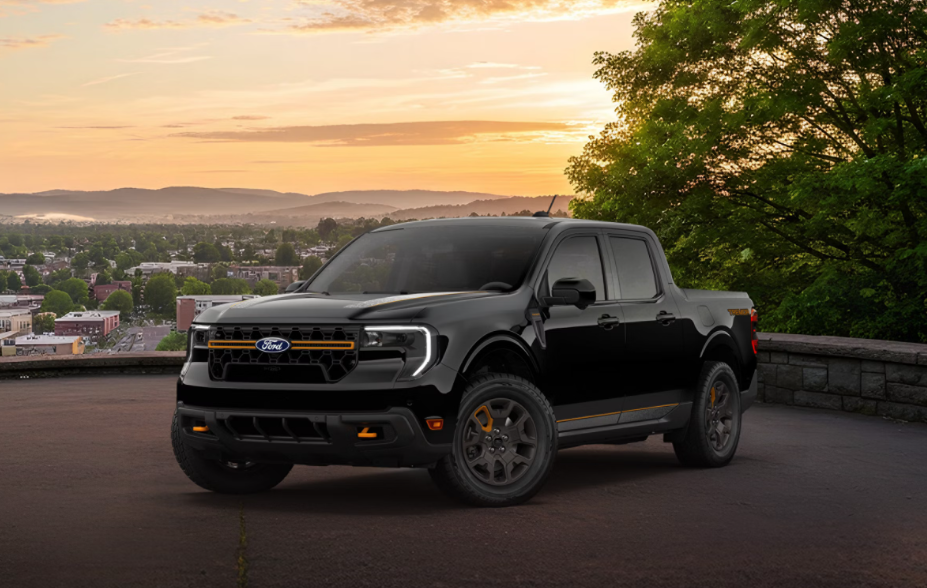
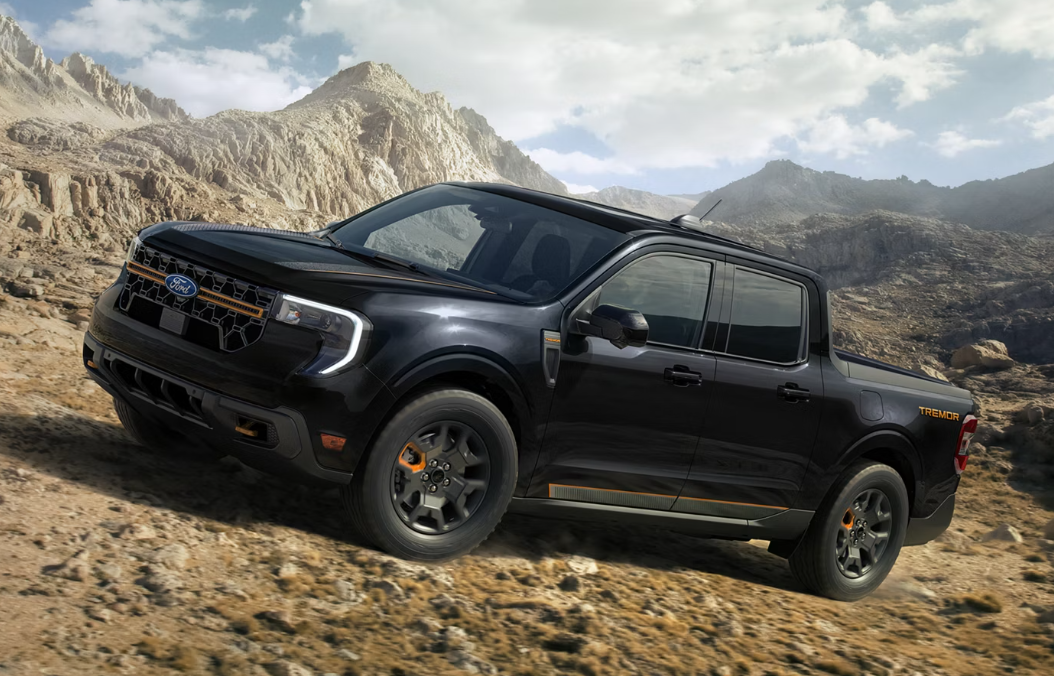
Black 2026 Ford Maverick Tremor

2026 Ford Maverick Tremor vs. Toyota Tacoma TRD Off-Road: Small Truck Comparison

Two compact trucks are making a serious case for buyers who want real off-road capability without the bulk of a full-size pickup: the 2026 Ford Maverick Tremor and the 2026 Toyota Tacoma TRD Off-Road. Whether your week looks like a Brewster, NY commute followed by a Saturday trail run, or hauling gear to a trailhead in Northern Westchester County, the right truck depends on how you actually use it. We've put both side by side so you can make that call with confidence. If you're already leaning toward the Maverick Tremor, browse our new Ford Maverick inventory in Brewster or schedule a test drive to see it in person. The Maverick Tremor is Ford's answer to drivers who want trail-ready hardware without giving up fuel efficiency or urban agility. The Tacoma TRD Off-Road goes the other direction, leaning hard into raw capability, traditional truck toughness, and a powertrain built for sustained heavy use. The choice isn't obvious, and that's exactly why this comparison is worth your time. Size, Maneuverability, and Everyday Practicality Size matters more in a compact truck than most buyers expect, at least until they're trying to parallel park on a busy street or squeeze into a residential garage. The Maverick and Tacoma sit in the same general category, but they don't occupy the same space, literally or philosophically. Footprint and Daily Drivability Around Brewster The Maverick's smaller overall footprint gives it a real edge in places like Brewster, NY and Northern Westchester County, where Route 22 traffic, tight village lots, and older residential streets can make a larger truck feel like a liability. With a 40.0 ft. turning circle and an overall width of 83.5 in. with mirrors, lane changes and parking feel natural rather than stressful. The Tacoma TRD Off-Road carries a 42.2 ft. turning circle and a noticeably wider, longer stance. That added bulk delivers a roomier cabin and a more commanding road presence, but in tight urban spaces, you'll feel every extra inch. If your week is split between commuting and weekend adventures, the size difference has real daily consequences. Bed Design and Cargo Versatility The Maverick's 4.5 ft. bed is built around the FLEXBED system, with integrated tie-downs and flexible cargo management that suits buyers hauling gear, groceries, and weekend equipment. The Tacoma's 5.0 ft. or 6.0 ft. bed handles heavier, bulkier loads with less fuss and pairs naturally with overlanding setups and work-oriented accessories. For buyers whose truck regularly doubles as a work vehicle, the Tacoma's bed capacity gives it the edge. Powertrain Matchup: EcoBoost Turbo vs. i-FORCE Turbo Both trucks run turbocharged four-cylinder engines, but their outputs and personalities reflect genuinely different priorities. The Maverick Tremor's EcoBoost Engine Ford equipped the Maverick Tremor with a 2.0L EcoBoost turbocharged inline-4 producing 250 hp and 277 lb-ft of torque, paired with an 8-speed automatic and Advanced 4WD standard. It delivers smooth, responsive power for daily driving, light hauling, and moderate trail use. The EcoBoost returns 21 city / 27 hwy MPG, which makes a meaningful difference for drivers covering significant daily mileage in the greater Brewster area. The Tacoma TRD Off-Road's i-FORCE Engine The Tacoma TRD Off-Road runs a 2.4L turbocharged inline-4 i-FORCE engine rated at 278 hp and 317 lb-ft of torque, also paired with an 8-speed automatic. That additional torque shows up most clearly when towing near maximum capacity or climbing steep, technical terrain. The tradeoff is efficiency: the i-FORCE returns 19 city / 23 hwy / 21 combined MPG. Worth noting, the i-FORCE MAX hybrid is available on select Tacoma trims, but this comparison focuses on the standard i-FORCE engine in the TRD Off-Road. Specification 2026 Ford Maverick Tremor 2026 Toyota Tacoma TRD Off-Road Engine 2.0L EcoBoost Turbo 2.4L i-FORCE Turbo Horsepower / Torque 250 hp / 277 lb-ft 278 hp / 317 lb-ft Max Towing 4,000 lbs. (w/ 4K Tow Package) 6,300 lbs. Fuel Economy (City/Hwy) 21 city / 27 hwy MPG 18 city / 23 hwy MPG Ground Clearance 9.4 in. 10.0+ in. Turning Circle 40.0 ft. 42.2 ft. Off-Road Capability: Trail Hardware and Real-World Performance Both trucks carry legitimate off-road credentials, but they're aimed at different types of trail use. Suspension, Ground Clearance, and Underbody Protection The Tacoma TRD Off-Road brings monotube Bilstein piggyback reservoir shocks, 10.0+ in. of ground clearance, and underbody protection designed for demanding conditions. Its suspension absorbs rough trails and rocky sections confidently, and that extra clearance provides a meaningful margin over obstacles that would stop a lower-riding vehicle cold. The Maverick Tremor raises the bar significantly over the base Maverick with off-road-tuned suspension, 9.4 in. of ground clearance, skid plates, and 235/65R17 all-terrain tires. It handles light trails, gravel, and moderate off-road conditions without complaint. For rock crawling or technical backcountry routes, the Tacoma's purpose-built hardware holds a clear advantage. For mixed-surface driving and recreational trails, the Tremor is more than capable. 4WD Systems, Locking Differentials, and Traction Control Ford equipped the Maverick Tremor with Advanced 4WD standard, an electronically locking rear differential, and terrain management modes. It's a confident traction system for the moderate off-road situations most compact truck buyers actually encounter. The Tacoma TRD Off-Road pairs part-time 4WD with its own electronically locking rear differential, Multi-Terrain Select, and Crawl Control, making it better suited for extreme, low-speed technical conditions where fine-grained traction control makes a measurable difference. Towing, Payload, and Fuel Economy: The Numbers That Matter Day to Day The Tacoma TRD Off-Road rates for 6,300 lbs. of max towing, a clear advantage for buyers who regularly haul trailers, boats, or equipment. The Maverick Tremor reaches 4,000 lbs. with the optional 4K Tow Package, suitable for lighter recreational hauling, small campers, and weekend gear trailers. Where the Maverick Tremor earns ground back is efficiency. Its 23 combined MPG versus the Tacoma's 21 combined MPG may look minor on paper, but for a driver covering 15,000 miles per year with an 18.5-gallon tank, that 2 MPG advantage adds up to roughly two to three fewer fill-ups annually. Over several years of daily commuting around Northern Westchester County, the cumulative fuel savings are a legitimate factor in total ownership cost. Neither truck dominates across every metric. It comes down to which numbers matter most to your lifestyle. Interior Comfort, Technology, and Everyday Livability Inside the cabin, both trucks are genuinely livable, but their priorities diverge. Ford equipped the Maverick Tremor with SYNC 4 infotainment, Ford Co-Pilot360 Assist 2.0, and a 1,500W power outlet standard, creating a cabin that feels just as natural on a work commute as it does heading out on a Saturday morning. The layout is clean and refined rather than purely utilitarian. The Tacoma TRD Off-Road's interior is built for durability and outdoor use. Materials handle abuse well, passenger room is a genuine advantage over the more compact Maverick, and Toyota Safety Sense 3.0 provides a competitive active safety suite. The Tacoma's cabin tilts toward ruggedness over refinement. Both trucks work well as daily drivers; the Maverick simply feels more at home in a suburban commute context. 2026 Ford Maverick Tremor vs. Toyota Tacoma TRD Off-Road: Which Compact Truck Should You Buy? There's no universal answer, and honestly, that's good news. It means both trucks are excellent at what they're designed to do. Choose the Ford Maverick Tremor if you want a compact, efficient truck that handles daily commuting and weekend adventures without a fuel economy penalty. It's the right fit for Brewster-area drivers who need a manageable footprint, modern technology, and solid off-road capability for light-to-moderate trails. The EcoBoost engine delivers genuine long-term efficiency, and the Maverick's urban agility is hard to overstate for anyone navigating Northern Westchester County roads regularly. Choose the Toyota Tacoma TRD Off-Road if towing capacity, raw off-road performance, and serious trail hardware are non-negotiable. The i-FORCE engine, Bilstein suspension, and dedicated crawl and terrain systems make it the stronger truck for buyers who regularly push into challenging backcountry or haul heavy loads. You'll spend more at the pump, but you'll gain capability the Maverick simply can't match at the extremes. Still working through the decision? Think about where your truck actually spends most of its time. The answer usually points you in the right direction. You can explore all new Ford trucks at Brewster Ford to compare current inventory and trim options before you decide. See the 2026 Ford Maverick Tremor at Brewster Ford For Brewster-area drivers who want a trail-ready truck that fits everyday life, the Maverick Tremor is a genuinely strong choice, and we'd love to show you why in person. Browse our new inventory to see what's currently available Schedule a test drive and experience the Tremor on local roads Contact our team with questions about trim levels, packages, or availability We're located at 1024 Route 22, Brewster, NY 10509, and our sales team is ready to walk you through everything the 2026 Maverick Tremor has to offer.

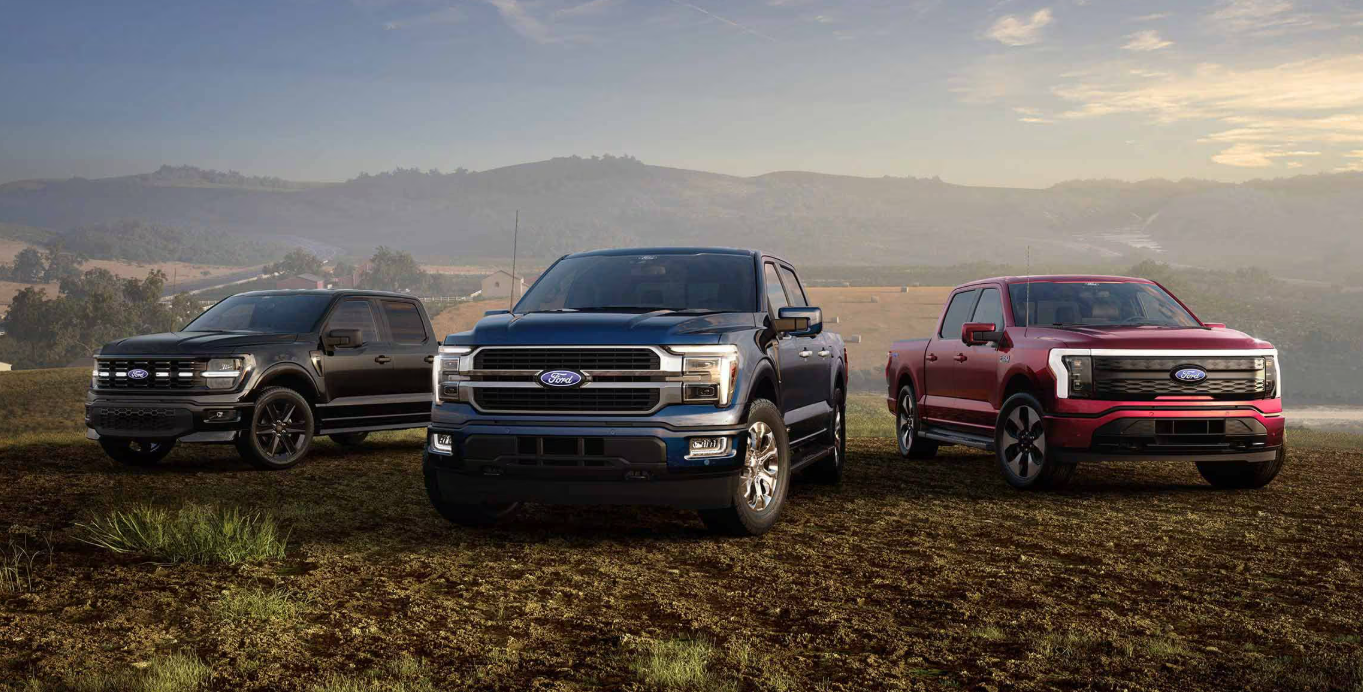
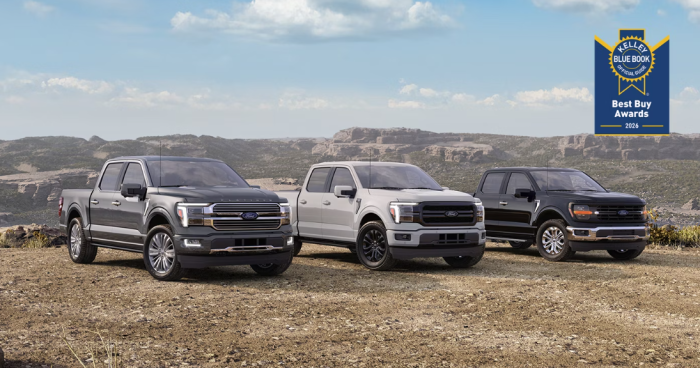
Three Ford F-150s parked in grass

The Evolution of the Ford F-150: From Classic Pickup to Modern Tech Truck

The Ford F-150 has been America's best-selling truck for 48 consecutive years, and that record isn't an accident. What started as a no-frills work truck built for farmers, contractors, and laborers has become a genuine showcase for automotive engineering and a reflection of how American priorities have shifted over the decades. If you're weighing a truck purchase right now, understanding how the F-150 got here makes it a lot easier to appreciate what you're actually getting. Browse our new Ford F-150 models in Brewster to see how far this truck has come. The F-150's evolution didn't happen overnight. It came through deliberate decisions, bold engineering choices, and a genuine read on what drivers actually need. That history tells you a lot about the truck itself. New Ford Trucks For Sale New Ford F-150 For Sale Call Us Today The Early Years: Built for Labor, Designed for Durability (1948–1974) Ford's truck history stretches back to 1917, but the version most drivers recognize starts in the postwar era, when America's booming economy created a surge in demand for practical work vehicles. The F-1 Lays the Foundation The modern F-Series lineage kicked off in 1948 with the F-1. These early trucks weren't trying to impress anyone. The engineering was straightforward: a sturdy frame, a reliable inline-six engine, and a cab designed entirely around function. Simple durability was the goal, and it resonated with buyers who needed something they could count on every single day. The F-Series became a family of trucks rather than a single model, offering different payload ratings and configurations for different working needs. That flexibility was baked into Ford truck DNA from the very beginning. A meaningful step came in 1954 with the transition from a flathead V-8 to an OHV V-8, delivering noticeably improved power and efficiency for drivers who pushed their trucks hard. Twin I-Beam Suspension Changes the Ride By the fifth generation (1967–1972), Ford had introduced Twin I-Beam independent front suspension. Drivers who'd dealt with punishing rides on job sites and rural roads suddenly had a truck that could absorb the abuse without transmitting all of it through the steering wheel. Handling improved and daily driving became meaningfully more comfortable, without sacrificing toughness. The sixth generation (1973–1979) brought crew cab expansion, making the F-Series practical enough to haul a full crew to a job site and a family on weekends. That blend of utility and versatility would define the F-150 for decades to come. The F-150 Name Is Born and the Modern Pickup Takes Shape (1975–1996) By the mid-1970s, federal regulations were tightening, and Ford's response produced one of the most pivotal moments in the truck's history. Why Ford Created the F-150 The F-150 name arrived in 1975, positioned strategically between the lighter F-100 and the heavy-duty F-250. Emissions regulations at the time applied more stringently to heavier trucks, so the new F-150 hit a sweet spot: serious capability while retaining light-truck GVWR status. Buyers got more hauling ability without the regulatory headaches that came with heavier commercial models. The F-100 was discontinued entirely by the early 1980s, and the F-150 became the foundation of the entire lineup. The Style Shift of the 1980s The eighth-generation redesign in 1987 swapped the squared-off silhouette of earlier trucks for smoother, more aerodynamic lines. The windshield raked more aggressively, panels curved instead of cutting at sharp angles, and the result was a truck that performed better aerodynamically and pulled in a broader audience. Style had entered the conversation. It never left. Performance Redefined: EcoBoost, Aluminum, and the Tech Revolution (1997–Present) The late 1990s through today represent the most dramatic chapter in the F-150's story. Ford didn't just refine the truck during this era. It fundamentally reimagined what a pickup could be. Power Upgrades Through the 2000s The tenth generation (1997–2004) introduced the 4.6L Triton V8, alongside a 5.4L Triton V8. The eleventh generation (2004–2008) pushed further with the Triton 5.4L V8, and also debuted the FX4 off-road trim for buyers who needed real capability beyond pavement. Then came the twelfth generation (2009–2014), which introduced the Raptor with a 411-hp V8 and purpose-built off-road hardware. EcoBoost Proves Power and Efficiency Can Coexist In 2011, Ford introduced the EcoBoost twin-turbo V6, producing power comparable to a traditional V8 with better fuel efficiency through turbocharging and direct injection. Skeptics were loud. Real-world performance answered them. The EcoBoost could tow heavy loads and handle demanding terrain without the fuel consumption penalty of a larger engine. Current EcoBoost output reaches up to 450 hp, and the powertrain genuinely shifted the industry's thinking about turbocharged engines in trucks. The Aluminum Body Gamble The 2015 F-150 may be the single most debated redesign in pickup history. When Ford confirmed the thirteenth-generation model would use an aluminum alloy body instead of traditional steel, critics questioned durability and competitors ran ads mocking the decision. What followed told a very different story. The high-strength aluminum alloy stripped roughly 700 pounds from the truck's curb weight, improving fuel economy, sharpening handling, boosting payload capacity, and enabling a max towing rating of 13,200 lb. Real-world durability largely silenced the critics, and within a few years rival manufacturers were quietly exploring mixed-material construction for their own trucks. PowerBoost Hybrid, Pro Power Onboard, and the Connected Cab The 2021 model introduced the PowerBoost hybrid powertrain, pairing a turbocharged V6 with an electric motor and a 12.4 kWh battery to deliver 430 hp and an estimated 690-mile combined range. Max towing in the fourteenth generation reaches 14,000 lb. Alongside the hybrid came Pro Power Onboard, a built-in generator providing up to 7.2 kW of exportable power. For contractors on remote job sites or homeowners managing outages, it turns the F-150 into a rolling power station. Current models are also connected in ways that would have seemed improbable ten years ago. SYNC 4 with 12-inch screens, BlueCruise hands-free driving, 360-degree cameras, and over-the-air software updates keep the truck current without requiring a dealership visit. The Raptor R pushes things even further with a 5.2L V8 producing 720 hp. Through all of it, the F-150 hasn't lost any of the rugged practicality that built its reputation. F-150 Generation Comparison Generation & Years Notable Engine Option Key Structural Change Cab/Bed Innovation Standout Tech Feature 1st–2nd (1948–1956) OHV V-8 (intro 1954) F-Series platform established Multiple payload configs Improved drivetrain efficiency 5th–6th (1967–1979) Available V8 options Twin I-Beam front suspension Crew cab expansion Independent front suspension 7th–8th (1980–1991) Available inline-six and V8 Aerodynamic body redesign F-150 becomes lineup anchor Fuel injection available 10th–11th (1997–2008) Triton 5.4L V8 Modular V8 platform FX4 off-road trim debut Electronic fuel injection 12th–13th (2009–2020) EcoBoost twin-turbo V6 (365 hp) Aluminum alloy body (2015+) Raptor off-road variant EcoBoost turbocharging 14th (2021–present) PowerBoost hybrid (430 hp) 14,000 lb max towing Pro Power Onboard (7.2 kW) BlueCruise, SYNC 4 What the F-150's Evolution Means for Today's Drivers Tracing the F-150's development from the 1948 F-1 to today reveals something consistent: every significant change addressed a real problem or a genuine need. Twin I-Beam suspension came when drivers demanded more comfort. The F-150 nameplate emerged from regulatory pressure and demand for better efficiency. EcoBoost answered the call for power without the fuel penalty. The aluminum body tackled persistent weight challenges. The PowerBoost hybrid and connected features respond to a generation of drivers who expect their truck to work as both a capable tool and a technology-forward vehicle. For buyers today, this history translates to over 75 years of iterative improvement built into every trim level on the lot. Take a look at the full range of new Ford trucks at Brewster Ford to see how that legacy translates into real options right now. Why Brewster, NY Drivers Are Choosing the Modern F-150 Northern Westchester County is the kind of driving environment that genuinely tests a truck. Hilly terrain, salty winters, a mix of suburban roads and rural routes, and the demands of both professional tradespeople and weekend adventurers all factor into what local drivers actually need. Contractors and builders in the area rely on the F-150's towing and payload capabilities to move materials and equipment efficiently. Families choose it for spacious crew cab interiors and advanced safety technology. Drivers who regularly deal with snow and rough back roads appreciate the confidence that comes with 4x4 capability, while the FX4 package handles serious off-road demands. The wide range of trim levels and powertrains means Brewster buyers can configure an F-150 that fits their specific situation without settling for something close. The truck's reputation here isn't built on advertising. It's built on decades of neighbors, coworkers, and family members arriving at the same conclusion: the F-150 delivers. Explore the Latest F-150 Models at Brewster Ford We carry a full selection of current F-150 models, from work-ready base trims to fully loaded Platinum and Limited configurations. Our team walks buyers through the differences between model years, engine options, and trim packages so you can make a confident, informed decision. On-site financing is available, and our factory-trained technicians handle everything from routine maintenance to warranty work. Brewster Ford is located at 1024 Route 22 in Brewster, NY 10509. Reach us at 845-205-7019, with showroom hours Monday through Thursday from 9 AM to 7 PM and Friday through Saturday from 9 AM to 6 PM. Ready to get behind the wheel? Schedule a test drive and experience the current F-150 for yourself.

Ford Transmission Service

When Does Your Ford Need a Transmission Service?

Your transmission is one of the hardest-working components in your Ford. It handles every gear shift, moves power from the engine to the wheels, and keeps everything smooth whether you're climbing hills around Brewster or crawling through stop-and-go traffic on Route 22. When something starts going wrong, you'll usually feel it before any warning light ever comes on. Trust that instinct. You can schedule a transmission service appointment with our team at Brewster Ford, or keep reading to understand exactly what to watch for and when to act. This guide covers the warning signs, service intervals, and what actually happens during a Ford transmission service, so you can stay ahead of problems before they get expensive. Warning Signs Your Ford Transmission Needs Service Transmission problems rarely appear out of nowhere. They build gradually, which gives you time to catch them early. The sooner you act, the less damage you're dealing with. Shifting Problems: Slipping, Hesitation, or Rough Gear Changes How your Ford shifts is one of the clearest indicators that something needs attention. A one-to-two second pause before the car moves after shifting into Drive, unexpected slipping between gears, or a hard jolt during a gear change are all red flags. Gear slipping in particular can point to internal wear, low fluid, or a failing clutch pack. You might also notice the engine revving higher than normal without any real increase in speed. Rough or delayed shifts on an F-150, Escape, Explorer, or any other Ford model shouldn't be chalked up to quirks. That's your vehicle telling you something is off. Unusual Noises, Smells, or Fluid Leaks A healthy transmission runs quietly. Grinding, buzzing, clunking, or a persistent whine during acceleration often points to worn bearings, low fluid, or internal damage. A burning smell is another serious signal. It usually means the transmission fluid is overheating, which happens when the fluid breaks down or drops too low to do its job. Fluid leaks deserve immediate attention. Transmission fluid is typically red or pinkish, so puddles under your parked Ford are hard to miss. Running low on fluid can cause severe damage fast. Dashboard Warning Lights and What They Mean Modern Fords use a range of sensors to monitor transmission health. If you see a transmission warning light or a message like "Transmission Fault Service Now," don't ignore it. Even a general check engine light can sometimes trace back to a transmission-related diagnostic code. A factory-trained technician can run a full diagnostic and pinpoint the issue quickly, which beats guessing every time. How Often Should You Schedule Ford Transmission Service? Staying proactive is what keeps a Ford reliable over the long haul. Knowing the service interval for your specific model is one of the simplest ways to protect a major investment. Recommended Intervals by Model Ford transmission service intervals vary by model, transmission type, and driving conditions. The table below is a quick-reference guide to help you locate your vehicle. Always confirm the exact interval with your owner's manual or our service team, since recommendations can shift by model year. Model Transmission Type Recommended Fluid Standard Service Interval Notes F-150 Automatic (10R80) MERCON ULV First change at 30,000 mi; then 150,000 mi (normal) Severe duty: every 50,000–60,000 mi Explorer Automatic (10R60/80) MERCON ULV (2020–2025) First change at 30,000 mi; then 150,000 mi (normal) Severe duty schedule applies Escape Automatic MERCON LV (2016–2019, 6F35N); MERCON ULV (2020–2025, 8F24/35/40) Per owner's manual; check at 30,000 mi Consult model-year-specific manual Mustang Manual / Automatic MERCON ULV (10R80 auto, 2018–2025); MERCON LV (6R80 auto, 2016–2017); refer to manual (manual trans) Varies by transmission type Manual trans fluid check recommended periodically Transit Automatic MERCON ULV First change at 30,000 mi; then 150,000 mi (normal) Commercial/work use = severe duty schedule Severe Duty Conditions If your driving regularly involves frequent towing, heavy hauling, extended stop-and-go traffic, extreme heat or cold, or hilly terrain, the 50,000–60,000 mile interval is the more appropriate benchmark for your Ford. For drivers in and around Brewster using their vehicle for work, recreation towing, or winter commuting, this is worth factoring into your maintenance plan. The standard interval is designed for average conditions, and a lot of us in northern Westchester County drive in anything but average conditions. One thing worth knowing: many newer Ford models use sealed or semi-sealed transmission systems without a traditional dipstick. Checking fluid on these vehicles requires professional equipment, which makes a regular service visit more important than ever. How Driving Around Brewster Can Affect Your Ford's Transmission Northern Westchester County isn't easy on a drivetrain. The hilly terrain around Brewster puts a sustained load on your transmission during every climb and descent. Route 22 and the roads feeding into it bring stop-and-go commuter traffic, which creates repetitive heat cycles your transmission has to manage. Add in weekend towing to nearby lakes and recreational areas, and the cumulative strain adds up quickly. The seasonal extremes common to the Hudson Valley are another factor worth considering. Cold winters temporarily thicken transmission fluid, while hot summer days push fluid temperatures up. Ford owners in the area may find their vehicles benefit from slightly more frequent service than the standard schedule suggests, particularly if they're towing, commuting on hilly roads, or dealing with regular temperature swings. What's Included in a Ford Transmission Service? A proper transmission service is more than a fluid top-off. When you bring your Ford to us, a technician will inspect the transmission pan and gasket, replace the transmission filter, and refill the system with the correct Ford-approved fluid to the proper capacity. We'll also check for leaks throughout the system and assess overall transmission condition. Fluid Change vs. Flush: Which One Does Your Ford Need? A fluid change drains the fluid from the pan, though some fluid stays behind in the torque converter and cooler lines. A flush pushes new fluid through the entire system, clearing out old and contaminated fluid from every part of the circuit. It's more thorough, and it's sometimes the right call when fluid is significantly degraded or a vehicle has high mileage. A fluid change is the standard go-to for routine maintenance. A flush makes sense for heavily contaminated systems or situations where more thorough clearing is needed. At Brewster Ford, our recommendation is always based on your specific vehicle's condition. If you'd like to learn more about what we offer, visit our Ford transmission service in Brewster, NY page. Why Catching Transmission Issues Early Can Save You Money A transmission service visit might feel like an expense you can push off. The math usually tells a different story. A routine fluid change is a manageable cost. A full rebuild or replacement is an entirely different conversation, often running into thousands of dollars depending on the model and extent of the damage. Small issues compound when left unaddressed. Contaminated fluid accelerates wear on gears, clutch packs, and bearings. A developing leak quietly gets worse. What could have been resolved with preventive maintenance becomes a major repair. Factors that influence total service cost include the type of service needed, the fluid specification your model requires, and whether any worn components need attention. Staying current with scheduled service at a Ford dealership is simply the more economical choice. Bring Your Ford to Brewster Ford for Transmission Service Why Choose Brewster Ford Transmission work isn't something you want to leave to chance. At Brewster Ford, our factory-trained technicians know Ford vehicles specifically, use genuine Ford-approved fluids and parts, and follow manufacturer guidelines from start to finish. We serve the communities of northern Westchester County as the only dedicated Ford store in the Volz Auto Group, and we take that responsibility seriously. Whether you're coming in for a routine fluid change, a full flush, or a diagnostic check after a warning light, we're equipped to handle it correctly and get you back on the road with confidence. Schedule Your Appointment Scheduling is simple. You can book your service online or reach our service department directly at 845-205-7086. We're open Monday through Friday from 7:30 AM to 5 PM and Saturday from 8 AM to 3 PM. Find us at 1024 Route 22, Brewster, NY 10509. If your Ford is due for service or showing any of the signs covered here, don't wait. Getting ahead of transmission problems is always less costly than reacting to them. Frequently Asked Questions About Ford Transmission Service How do I know if my transmission fluid is low? Low fluid often shows up as delayed shifts, slipping gears, or a burning smell. Since many newer Ford models use sealed transmissions without a dipstick, the most reliable way to check fluid level is during a professional service visit. Can I drive with a slipping transmission? We strongly recommend against it. Driving with a slipping transmission accelerates internal wear and can turn a manageable repair into a much more costly one. If you're experiencing slipping, schedule service as soon as possible. Does my Ford have a sealed transmission? Many newer Ford models, including several F-150 and Explorer configurations, use sealed or semi-sealed transmission systems. These don't have a traditional dipstick and require professional equipment to check properly. If you're unsure whether your vehicle is sealed, our service team can confirm it quickly. Does towing shorten transmission life? It can, if the transmission isn't serviced on a schedule that accounts for the added stress. Towing generates more heat and puts more demand on fluid and internal components. If you regularly tow, the severe duty service interval applies to your vehicle, and keeping up with it is the best way to protect your transmission long-term. What factors affect the cost of a transmission service? Cost depends on the type of service performed, the fluid specification your model requires, and whether any additional components need attention. We don't quote prices here because variables differ by vehicle, but you can contact us or visit our transmission service page for an accurate estimate based on your specific Ford.

Red 2026 Ford Explorer ST-Line

2026 Ford Explorer vs. Honda Pilot: Family SUV Comparison

Picking a family SUV is a bigger deal than it might seem at first. You're not just choosing a vehicle; you're choosing where your kids sit on road trips, how much camping gear fits in the back, and whether you feel confident on an icy Putnam County morning in January. Both the 2026 Ford Explorer and Honda Pilot have a real case to make, and both deserve a serious look. This comparison works through the key categories honestly. Performance, interior space, technology, safety, and value all get their due so you can walk away knowing which SUV actually fits your life. If you're already leaning toward the Explorer, you can schedule a test drive at Brewster Ford and see it for yourself. Power, Performance, and Handling in the Northeast Living in the Northeast means your SUV has to handle more than smooth highway miles. Wet leaves in October, icy back roads in January, stop-and-go traffic on Route 22 through Brewster on a Friday afternoon. Performance isn't just a spec sheet number; it's how a vehicle actually responds when conditions get real. 2026 Ford Explorer: Multiple Powertrains, Accessible Torque The 2026 Explorer gives families a genuine choice in how they power their daily driving. The base engine is a 2.3L turbocharged 4-cylinder producing 300 hp and 310 lb-ft of torque, which offers confident pull whether you're merging onto I-84 or hauling a loaded trailer toward the Catskills. The ST trim steps things up considerably with a 3.0L twin-turbo V6 delivering 385 hp. Fuel economy in the RWD configuration comes in at 20 city / 29 highway mpg, and towing capacity reaches up to 5,000 lbs across trims. That combination of powertrain variety and efficiency is genuinely hard to match in this segment. 2026 Honda Pilot: Smooth and Steady, But a Single Option The Pilot runs a 3.5L naturally aspirated V6 producing 285 hp and 262 lb-ft of torque. That's it across every single trim. Day-to-day driving is comfortable and refined, and the Pilot matches the Explorer's 5,000 lb towing rating when properly equipped with AWD. Fuel economy is 19 city / 27 highway mpg in FWD configuration. It's a calm, composed ride, but families who want powertrain variety or any performance headroom won't find it here. The Explorer's turbo advantage is worth noting too: more torque at lower RPMs makes a real difference in the kind of everyday driving most of us actually do. Side-by-Side Specs Feature/Spec 2026 Ford Explorer (Base) 2026 Ford Explorer (ST) 2026 Honda Pilot (Base) Engine 2.3L turbocharged 4-cyl 3.0L twin-turbo V6 3.5L V6 Horsepower 300 hp 385 hp 285 hp Torque 310 lb-ft 415 lb-ft 262 lb-ft Towing Capacity Up to 5,000 lbs Up to 5,000 lbs Up to 5,000 lbs Fuel Economy (FWD/RWD) 20 city / 29 hwy (RWD) — 19 city / 27 hwy (FWD) Max Cargo Volume Up to 85.8 cu ft Up to 85.8 cu ft Up to 113.7 cu ft Interior Space, Third-Row Reality, and Cargo Versatility Both SUVs are built with families in mind, so this is where the comparison gets particularly practical. The numbers are close in several areas, but how the space actually works in daily life tells a more nuanced story. Passenger Comfort and Third-Row Usability Front and second-row comfort is strong in both vehicles. The third row, though, is where families need to be honest with themselves. The Pilot seats up to 8 passengers, and its third row is more accommodating for adults than the Explorer's, which tops out at 7. If you regularly need to seat six or seven full-size passengers and can't count on everyone fitting in the first two rows, the Pilot's rear-seat usability is a genuine advantage. The Explorer's third row is better suited for kids or occasional adult use. That distinction matters for the right family, so it's worth saying plainly. Cargo Room: Volume vs. Flexibility The Pilot leads on maximum cargo volume at up to 113.7 cu ft with all seats folded, compared to the Explorer's 85.8 cu ft. Behind the third row, the gap continues: 18.6 to 22.4 cu ft in the Pilot versus 16.3 cu ft in the Explorer. If raw cargo volume is your top priority, the Pilot wins that column. The Explorer's cabin layout, on the other hand, offers flexible storage configurations that work well when you're packing around passengers rather than removing them. Which advantage matters more comes down entirely to how your family actually uses the vehicle. Technology, Infotainment, and Connected Features This is a category where the Explorer pulls noticeably ahead. It comes standard with a 13.2-inch touchscreen with wireless Apple CarPlay and Android Auto. The Pilot's standard display measures 12.3 inches and also includes wireless CarPlay and Android Auto, so the connectivity basics are matched. The Explorer's larger screen and deeper feature integration give it a clearer edge for tech-forward families, though. Higher Explorer trims add BlueCruise, Ford's hands-free highway driving system. It's genuinely useful on longer I-87 commutes into the city, and the Pilot has no equivalent hands-free highway driving system available at any trim level. The Explorer also offers available 360-degree cameras, a panoramic roof, and massaging seats. On Honda's side, the Pilot adds the CabinTalk intercom system, which lets the driver communicate with rear passengers without shouting. It's a small but practical touch for larger families. Overall, the Explorer's tech suite is broader and more forward-looking. You're welcome to schedule a test drive at Brewster Ford and experience these features firsthand. Safety Ratings and Driver-Assistance Systems Both SUVs come with a solid standard safety foundation. The Explorer includes Ford Co-Pilot360, covering automatic emergency braking, blind-spot monitoring, adaptive cruise control, and pedestrian detection. The Pilot includes Honda Sensing, providing automatic emergency braking, adaptive cruise, and lane-keeping assist. Both are comprehensive packages for the segment. The 2026 Ford Explorer and 2026 Honda Pilot both carry NHTSA 5-star overall safety ratings and IIHS Top Safety Pick awards. The Explorer earned its Top Safety Pick under IIHS's more stringent 2026 criteria, continuing a six-consecutive-year streak of IIHS recognition. For families who want a three-row SUV backed by a proven, up-to-date safety record, the Explorer delivers. Trim Levels and Pricing: Where Your Money Goes The Explorer enters at a lower starting point than the Pilot, giving families access to the midsize SUV segment with strong standard content without stretching the budget right out of the gate. Moving up through the trims, both vehicles add worthwhile comfort and technology upgrades. The Explorer tends to deliver more equipment per dollar, particularly in the mid-range trims where most family buyers end up. The ST trim's 385 hp twin-turbo V6 is also a legitimate performance option with no Pilot equivalent. If you want to dig into specific configurations, our team can walk you through the current Explorer inventory in Brewster and pricing in person. Ford Explorer vs. Honda Pilot: Which SUV Fits Your Family? An honest assessment means saying this clearly: both vehicles are genuinely good. The right call depends on your priorities. Choose the Explorer If… You want multiple powertrain choices, from an efficient daily driver to the high-output ST. You do longer highway stretches, like commuting into NYC via I-87, and want BlueCruise hands-free driving assist. You need 4WD capability for Northeast winters or want the Tremor off-road trim for occasional trail use. You prioritize a larger 13.2-inch touchscreen and a more comprehensive tech suite at a lower entry price. Choose the Pilot If… You regularly need to seat 8 passengers, particularly with adults in the third row. Maximum cargo volume is your top priority and 113.7 cu ft matters more than powertrain variety. Simplicity and a single proven powertrain top your list over multiple engine options. See the 2026 Ford Explorer at Brewster Ford Why Brewster Ford If the Explorer sounds like the right fit, the next step is straightforward. Brewster Ford at 1024 Route 22 in Brewster, NY is a dedicated Ford store with a team that knows these vehicles thoroughly. That focus means every person you talk to has genuine depth on Explorer trims, options, and how each configuration performs in this region. You can also browse new Ford SUVs at Brewster Ford to see the full lineup alongside the Explorer. Financing and Service On-site financing helps you find competitive rates and flexible terms, whether you're buying or leasing. Factory-trained technicians handle service and warranty work, and the expanded certified pre-owned inventory across the Volz Auto Group gives you more choices if you're open to a pre-owned Explorer. Get in Touch Driving the Explorer on roads you know makes the decision a lot clearer than any comparison article can. Contact Brewster Ford to schedule your test drive or ask about trim configurations and availability. Our sales team is available Monday through Thursday, 9 AM to 7 PM, and Friday and Saturday, 9 AM to 6 PM. We're here to help you find the right vehicle for your family, not just close a sale.

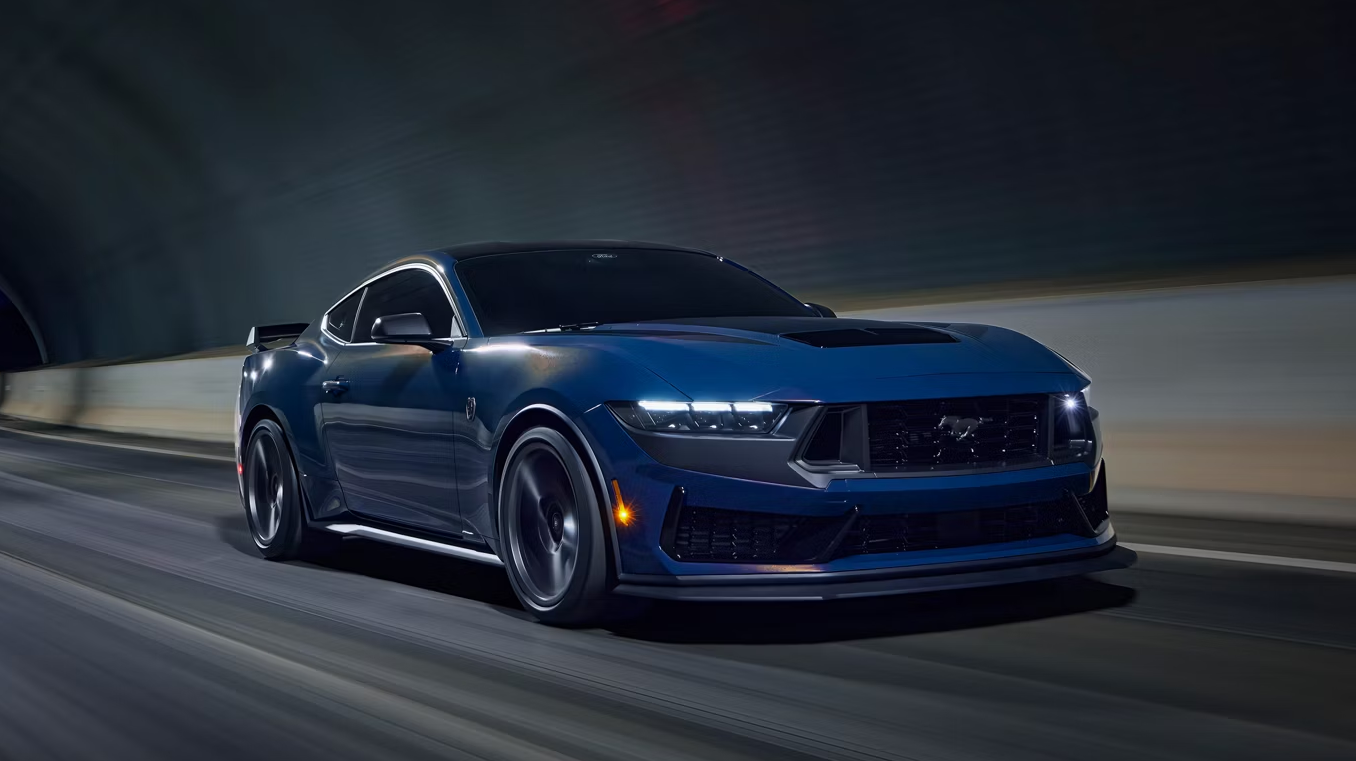
Blue 2026 Ford Mustang Dark Horse

2026 Ford Mustang Dark Horse: Track-Ready Performance Features (2026 News)

The Ford Mustang has always carried serious performance credentials, but the Dark Horse variant takes that legacy somewhere genuinely different. This isn't just a trim level with a few extra badges and blacked-out accents. The 2026 Ford Mustang Dark Horse is a purpose-built performance machine where track capability is the primary goal, not an afterthought. Whether you're a seasoned enthusiast who spends weekends at the circuit or someone who simply wants the most focused driving machine Mustang currently offers, view our new vehicle inventory and see what's available. What Sets the 2026 Ford Mustang Dark Horse Apart From the Pack The Dark Horse name carries real meaning here. Ford didn't create it to fill a lineup gap. Sitting above the standard GT, the 2026 Ford Mustang Dark Horse is a track-focused model with unique engineering, aerodynamic refinements, and technology that separates it from every other Mustang on the market. It combines aggressive visual intent with genuine mechanical substance, which makes it compelling both on paper and behind the wheel. What defines this car isn't any single feature. It's the way everything works together. The chassis, engine, braking system, suspension, and aerodynamics are all tuned around one goal: precise, confident, high-performance driving. Put simply, it's the closest thing to a factory race car that Ford sells with street plates. The Heart of the Beast: Dark Horse V8 Power and Performance Performance cars live or die by their powertrains, and the Dark Horse delivers one of the most sonically and mechanically compelling engines in its class. The V8 under the hood isn't just about raw numbers. It's about character, throttle response, and an engine note that makes every hard pull feel like an event. Flat-Plane Crank V8: Horsepower, Torque, and High-Rev Character Ford engineers built the Dark Horse around a naturally aspirated Gen-4 5.0L Coyote V8 with a flat-plane crankshaft, the same design philosophy found in exotic European sports cars and dedicated race machinery. Unlike the cross-plane crank common to most V8s, the flat-plane configuration lets the engine rev more freely and respond to throttle inputs with sharper immediacy. This is a key reason the Dark Horse produces 500 horsepower and 418 lb-ft of torque. The flat-plane crank reduces rotating mass, so the engine winds up faster and more eagerly. Pair that with specialized intake and exhaust tuning and you get a high-revving character that feels fundamentally different from a conventional V8. The exhaust note is sharper and more exotic at high rpm. For many enthusiasts, that sound alone justifies the upgrade. How the Dark Horse Engine Differs From the Standard Mustang GT The standard Mustang GT uses a cross-plane 5.0L V8 making 480 horsepower (486 hp with the performance exhaust), which is genuinely impressive. But the Dark Horse at 500 horsepower isn't just a modest output bump. It represents a fundamentally different configuration with different tuning priorities. The GT engine is smooth, tractable, and excellent for daily use. The Dark Horse engine is calibrated around performance at high rpm, with a power delivery curve that builds more aggressively and peaks later in the rev range. For 2026, Ford made the 10-speed automatic transmission standard on the Dark Horse. Drivers who want full manual control can opt for the 6-speed manual, which delivers a 0-60 mph time of 4.1 seconds and features rev-matching capability that makes heel-toe downshifts intuitive even for drivers still developing the technique. Model Engine Horsepower Torque Key Suspension Feature Notable Track Feature Mustang GT 5.0L Coyote V8 480 hp (486 w/ exhaust) 415 lb-ft Standard dampers Performance Package available Mustang Dark Horse 5.0L Flat-Plane Crank V8 500 hp @ 7,250 rpm 418 lb-ft @ 4,900 rpm MagneRide adaptive damping (1,000 reads/sec) Brembo 6-piston brakes, TORSEN LSD, launch control Built for the Track: Chassis, Suspension, and Braking Upgrades A powerful engine means very little without a chassis that can translate that power into controlled speed. Ford spent serious engineering effort reinforcing the Dark Horse's structure and upgrading its dynamic components to match the engine's ambitions. The result is a car that feels planted, responsive, and predictable when pushed hard. The Dark Horse receives additional chassis bracing and strut tower braces compared to the standard Mustang, along with reinforced shock towers. These structural reinforcements reduce flex during cornering, which directly improves steering feel and lap times. Less chassis twist means the suspension components work more consistently, and driver feedback through the wheel becomes more accurate. MagneRide Adaptive Damping and Handling Precision MagneRide adaptive damping is among the most sophisticated suspension systems available in any production car, and it comes standard on the Dark Horse. The technology uses magnetorheological fluid in the shock absorbers, which changes viscosity almost instantaneously in response to electrical signals from the vehicle's sensors. Ford engineers updated the MagneRide tuning for 2026 to improve the ride-handling balance. In practical terms, the suspension reads road inputs 1,000 times per second. On a smooth track it firms up to minimize body roll and maximize cornering grip. On a rough road it softens to absorb impacts without sacrificing composure. That adaptability makes the 2026 Ford Mustang Dark Horse feel at home in far more driving environments than any fixed-damper track car could manage. Complementing the suspension is a TORSEN limited-slip differential, which distributes torque between the rear wheels to maintain traction and stability through corners. Standard 19-inch Pirelli P Zero PZ4 tires wrap carbon-fiber wheels that reduce unsprung weight, with optional Trofeo RS tires available for drivers who want even more grip on track days. Brembo Brakes That Inspire Confidence Track driving puts enormous demands on brakes, far beyond anything typical street use requires. Ford addresses this with a Brembo six-piston front brake system featuring large-diameter rotors. Brembo supplies components to Formula 1 teams and supercar manufacturers worldwide, and the stopping power on the Dark Horse is confident and consistent even after repeated hard braking from high speeds. Fade resistance is significantly improved over standard brake systems, which matters a great deal when driving seriously on a circuit. Combined with the chassis reinforcements and the TORSEN LSD, these upgrades build a package where driver confidence grows rather than erodes the harder you push. Ready to feel this for yourself? Schedule a test drive with our team at Brewster Ford. Drive Modes and Performance Technology That Put You in Control The 2026 Dark Horse gives drivers meaningful control over how the car behaves through multiple drive modes, each adjusting a full suite of performance parameters simultaneously. Normal, Sport, Track, and Drag Strip modes are all available, along with a fully customizable mode selectable via the steering wheel paddles. In Track mode, throttle response sharpens noticeably, the MagneRide suspension firms up, stability control relaxes its intervention thresholds, and the transmission holds gears longer before upshifting. Drag Strip mode optimizes launch control and traction management for straight-line acceleration. The customization depth here is genuinely impressive. Experienced drivers can dial in precisely the level of assistance or freedom they want. The exhaust system also responds to mode selections, offering a quieter setting for early-morning driving and a more aggressive tone when it's time to perform. Dark Horse Aerodynamics and Design Features That Work as Hard as They Look The visual identity of the 2026 Ford Mustang Dark Horse is immediately striking. Blacked-out grille trim, a unique front splitter, and a rear spoiler differentiate it clearly from standard Mustang models. Hood vents complete a look that is purposeful rather than merely flashy. These aren't purely cosmetic choices, though. Each aerodynamic element serves a functional purpose tied directly to performance. The front splitter generates downforce at speed, increasing front-end grip during high-speed cornering. The rear spoiler reduces aerodynamic lift at the back of the car, helping maintain stability during fast straight-line driving. For 2026, Ford introduced minor aero refinements and enhanced performance exhaust options that build on an already strong foundation. Together, these components keep the Dark Horse planted at speeds where aerodynamic forces become significant. What's New for 2026: Key Updates Over the Previous Dark Horse For 2026, Ford continues refining what was already a compelling package. Confirmed updates include revised MagneRide tuning for a better ride-handling balance, enhanced performance exhaust options, minor aero refinements, and the 10-speed automatic now coming standard rather than as an option. The 6-speed manual remains available for drivers who prefer direct engagement. These aren't dramatic reinventions. They're thoughtful evolutions that smooth edges identified in earlier production versions. Ford got the fundamental formula right from the start, and the 2026 model reflects that confidence. Taking the 2026 Dark Horse Through the Hudson Valley: A Natural Fit for Enthusiasts We're based in Brewster, NY, right at the edge of some genuinely rewarding driving roads. The Hudson Valley and surrounding areas offer winding two-lane routes, elevation changes, and sweeping bends that showcase exactly what a car like the 2026 Ford Mustang Dark Horse was built for. Route 9D through the Hudson Highlands and the roads approaching Bear Mountain offer the kind of linked corners and variable surfaces that reveal everything the MagneRide suspension, Brembo brakes, and flat-plane V8 can do. These aren't track conditions, but they're demanding enough that a skilled driver will feel the difference between this car and a standard performance coupe almost immediately. The flat-plane V8 character shines on roads where momentum builds through connected corners, and the suspension's high-frequency adaptability becomes genuinely tangible on the surface changes common throughout northern Westchester County. Enthusiasts who already know these roads understand the kind of performance they're evaluating. Our new Ford Mustang inventory in Brewster gives local drivers a direct path to putting this car on the roads they know best. Experience the 2026 Ford Mustang Dark Horse at Brewster Ford Getting behind the wheel is the only way to fully appreciate what the engineering descriptions actually feel like in practice. Our team at Brewster Ford can walk you through the Dark Horse performance package in detail, explain the differences between available configurations, and arrange a test drive on roads you already know. Ford built something special with the 2026 Ford Mustang Dark Horse, and we're proud to offer it here in northern Westchester County. Come see us at 1024 Route 22, Brewster, NY 10509, or contact us online to ask about current availability and schedule your test drive today.

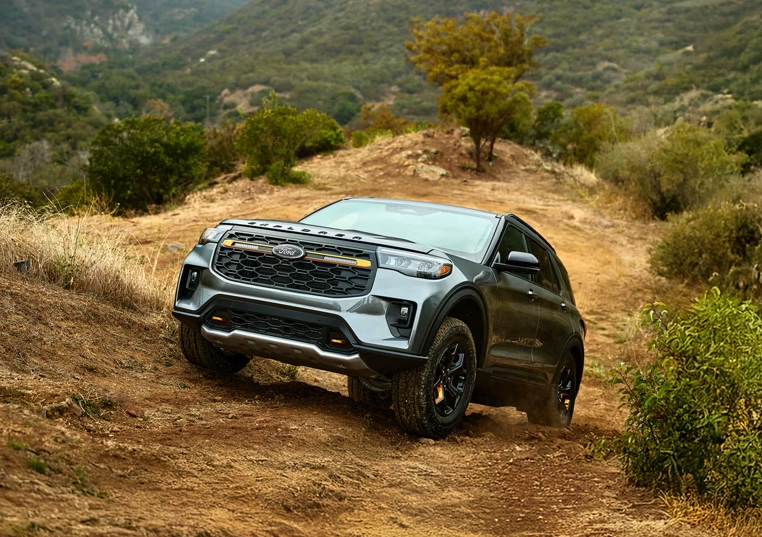
Gray 2026 Ford Explorer Tremor

Inside the 2026 Ford Explorer: Interior Tech, Comfort, and Safety Features

The 2026 Ford Explorer is built for people who want a three-row SUV that actually feels premium inside, not just from the curb. Whether you're hauling kids to practice, packing up for a weekend trip, or grinding through a long commute, the interior is designed to keep everyone comfortable and everything within reach. Feel free to schedule a test drive to see the cabin for yourself. Here's a closer look at what makes this interior worth your attention, from the front seats all the way back to row three. A Fresh Look Inside the 2026 Ford Explorer Step inside and the difference from earlier generations is hard to miss. The 2026 Ford Explorer interior goes for a cleaner, more upscale feel, with quality materials on most of the surfaces you actually touch. Active trim models get unique cloth upholstery, while higher trims move to leather with Miko inserts for something a bit more refined. The layout keeps intuitive controls front and center, cutting the clutter that made older infotainment setups feel like a chore. What stands out most is how well this interior balances style with practicality. Nothing about it feels like Ford traded function for looks. Families with different needs, varying amounts of gear, and unpredictable schedules can all find a version that fits. There's an intentionality to how each section of the cabin is laid out, and you notice it quickly. Seating Comfort Across All Three Rows The seating setup is one of the Explorer's defining qualities. Configured for up to seven passengers, it positions itself as a full-family hauler, though the experience does vary somewhat as you move toward the back. Front and Second-Row Comfort and Adjustability The front seats are genuinely good. Ford gives the Active trim a ten-way power driver's seat, while the front passenger seat is a four-way manual. An eight-way power passenger seat is available as an upgrade on select trims. Heated front seats are standard on Active and higher trims, and ventilated and massaging front seats are available on the Platinum trim. These aren't token features tacked on to justify a price bump. On longer commutes and road trips, they make a real difference once fatigue sets in. A heated steering wheel is also available on select trims. With 43 inches of first-row legroom on Active trims and 40.7 inches of front headroom, the driver's space is genuinely generous. Remote start and tri-zone automatic climate control mean you can set things up before you even climb in. Active Noise Cancellation paired with acoustic-laminate front side glass keeps road noise where it belongs, outside. The second row holds up well, too. Standard captain's chairs come with E-Z Entry and armrests, making it easy for passengers to slide in and out. An optional 35/30/35-split bench is available if you need true seven-seat capacity. Second-row riders get 37.5 inches of legroom and 40.5 inches of headroom on Active trims, which is enough for adults to sit comfortably rather than feel folded up. Heated second-row seats and rear ventilation ducts with fan control are available on select trims, so the back-seat experience isn't an afterthought. The Third Row: Honest Take on Who It Works For Here's the straightforward answer: the third row works well for some situations and less well for others. Ford gives you 31.8 inches of legroom and 38.9 inches of headroom back there. The bench is a 50/50 split-fold, manually operated. For shorter trips and younger passengers, it's genuinely comfortable. For adults on a two-hour drive, it's functional but snug. Third-row cupholders are a nice touch that helps on longer hauls. That said, we'd encourage you to come in and sit back there yourself before deciding whether it works for your family. Total passenger volume across all three rows comes in at 150.3 cubic feet, which gives you a real sense of how much interior space Ford packed into this footprint. Passenger Space and Cargo Flexibility Cargo Space: From School Run to Road Trip Cargo capacity is where the Explorer really shows its range. Behind the third row, you get 16.3 cubic feet, plenty for everyday bags and a stroller. Fold the third row and that jumps to 46 cubic feet. Fold everything flat and you're working with 85.8 cubic feet. The floor stays relatively flat when the seats are down, so loading and organizing gear is straightforward rather than a puzzle. For families with unpredictable schedules, that flexibility matters. Ford also offers some practical optional accessories: a Cargo Area Management System ($255), a large Cargo Organizer ($125), and All-Weather Floor Liners ($120-$200). None of them are required, but they're worth considering if your household spends time outdoors or deals with New York winters on a regular basis. Fuel tank capacity runs 18.6 gallons with the 2.3L EcoBoost and 20.2 gallons with the 3.0L EcoBoost V6, giving the Explorer solid range on longer road trips without constant stops. Infotainment and Connectivity: The 13.2-Inch Touchscreen Experience The centerpiece of the tech experience is a 13.2-inch landscape touchscreen running the Ford Digital Experience, standard across all trims. It's large enough to use comfortably, positioned so it doesn't feel like someone bolted a tablet to the dashboard. Paired with a 12.3-inch digital instrument cluster, the overall cockpit feel is modern without being distracting. Wireless CarPlay, Android Auto, and Connectivity Details Wireless Apple CarPlay and Android Auto are both standard, so connecting your phone takes no cables and no hunting. Navigation, music, calls, and messaging all mirror cleanly. The standard audio setup covers AM/FM with MP3 compatibility, and SiriusXM with 360L is available if you want more content variety. USB connectivity is distributed across all three rows. The Active trim includes four USB ports in the first row, two in the second row, and two in the third row, for eight total ports across the cabin. A panoramic fixed glass roof with power shade is available on select trims if you want more natural light in the cabin. If you're comparing the Explorer against other three-row options, it's also worth browsing our full Ford SUV lineup to see where it fits in the broader range. Driver-Assist and Safety Technology Built for Everyday Driving Ford equipped the 2026 Explorer with a solid set of driver-assist features built to perform in real driving conditions, not just look good on a spec sheet. Standard features include a rear-view camera, rear parking sensors, adaptive cruise control, keyless ignition, and electric power steering with tilt and telescopic adjustment. Integrated audio and cruise controls on the steering wheel round out the standard setup. BlueCruise Hands-Free Highway Driving For commuters and road-trippers, the available BlueCruise hands-free highway driving system deserves a close look. It lets drivers take their hands off the wheel on pre-mapped divided highways, which is a genuine quality-of-life upgrade on stretches like I-684 between Brewster, NY and New York City. BlueCruise is available on select trims, with the Platinum and ST trims coming equipped with a 1-year plus 90-day plan, and the ST-Line and Tremor trims offering it as an option. For northern Westchester commuters logging meaningful highway miles every week, it's a practical feature rather than a novelty. These driver-assist systems are designed to run quietly in the background. They're not intrusive, but they're there when you need them. That's the right balance for daily family driving. Comfort Details That Make a Difference on Long Drives A lot of what makes the 2026 Explorer genuinely comfortable doesn't show up prominently in spec sheets. Tri-zone automatic climate control lets the driver, front passenger, and rear passengers each set their own preferred temperature, which takes care of one of the most common in-cabin arguments on family trips. Rear ventilation ducts with fan control extend that comfort back to second and third-row passengers. Storage is distributed well throughout the cabin: front and rear door pockets, an overhead console, front seatback storage, and cupholders in all three rows mean everyone has somewhere to put their things. These are the details that reflect a vehicle designed for extended use, not just short errands around town. Explore the 2026 Ford Explorer at Brewster Ford If you're comparing the 2026 Explorer against other three-row SUVs, the most useful thing you can do is sit in one. We're happy to walk you through available trims and configurations and answer whatever questions you have, whether that's about third-row dimensions, the BlueCruise setup, or which cargo accessories make sense for your household. Visit Us or Reach Out You can view Explorer models in stock on our website right now, or book a test drive at a time that works for you. Prefer to talk through options first? Reach our team through our contact page. We're at 1024 Route 22, Brewster, NY 10509. Sales is available Monday through Thursday from 9 AM to 7 PM and Friday through Saturday from 9 AM to 6 PM. We'd love to help you find the right Explorer for your family.

Fall is coming to the Farmers Market

Best Local Businesses to Visit During the Brewster, NY Farmers Market Season

Farmers market season has a way of making local routines feel a little more enjoyable. You head out for fresh produce, flowers, baked goods, or something seasonal for the week, and before long the trip turns into more of a day around town. That is part of what makes this time of year so fun in and around Brewster. The market itself is a draw, but it also opens the door to nearby farms, orchards, and local destinations that fit right into the same spirit of shopping fresh and staying connected to the community. The Hudson Valley Regional Farmers Market is held at Tilly Foster Farm, giving the season a strong local anchor right in Brewster. If you are looking for the best local businesses to visit during the Brewster, NY farmers market season, there are several spots that pair naturally with a market-day outing. Some are ideal for produce and farm goods, some are great for family stops, and some simply add another layer to what a local weekend can look like when the weather is good and the season is in full swing. A Natural Starting Point for the Season If you want to begin with the place that helps define the season locally, Tilly Foster Farm is the obvious first stop. The farm describes itself as Putnam County’s destination for culinary arts, natural beauty, and historic attractions, and it also serves as the site of community events including the Youth Business Market. That makes it feel like more than just a backdrop for a seasonal outing. It is one of those places that helps set the tone for how people experience Brewster when the weather turns warmer and local events start bringing more people together. There is also something especially fitting about having a farmers market season centered around a historic farm setting. It reinforces the connection between local food, local business, and the wider community. Even if you arrive planning only to browse the market, a stop at Tilly Foster Farm makes the day feel more rooted in place. A Market That Brings the Community Together For many people, the real center of the season is the Hudson Valley Regional Farmers Market. Even when farmers markets are technically about produce and vendors, the best ones end up being about more than that. They create a rhythm for the season. They give people a reason to get outside, shop small, and see what local growers and makers are bringing to the table that week. In Brewster, having a market connected to Tilly Foster Farm makes that experience feel especially local and community-minded. A good farmers market also tends to shape the rest of the day. You may start with a tote bag and a short shopping list, then leave thinking about what else is nearby, what other seasonal stops are worth making, and how many other local businesses fit naturally into the same outing. That is what makes market season such a good time to spotlight the wider Brewster area. It encourages people to think locally not just for one purchase, but for a whole day. An Orchard Stop That Feels Like the Hudson Valley at Its Best If you want to stretch your market outing into something even more seasonal, Salinger’s Orchard is a great addition to the route. Located in the Brewster area, Salinger’s highlights apples, apple cider donuts, pies, local produce, and a farm market, which makes it the kind of stop that feels closely connected to everything people enjoy about shopping local in the first place. There is something timeless about pairing a market morning with an orchard visit, especially in a part of New York where farm stands and orchard traditions are such a big part of the local feel. Salinger’s works especially well because it offers more than one reason to stop. Maybe you are there for produce, maybe you want baked goods, or maybe you just want one of those places that makes a weekend in the area feel distinctly Hudson Valley. During market season, that kind of stop fits perfectly. It builds on the same ideas of freshness, locality, and enjoying what the region does well. A Brewster-Area Favorite for Farm-Grown Food Another strong seasonal stop is Lobster Hill Farm. The farm emphasizes nutrient-dense foods and promotes products such as 100 percent grass-fed beef, lamb, pasture-raised pork, eggs, produce, and prepared items. That makes it a nice complement to a traditional farmers market trip because it gives shoppers another way to stay focused on local food and thoughtful sourcing. For some people, market season is about flowers and occasional treats. For others, it is also about being more intentional with where their food comes from and building better weekly habits around local shopping. Lobster Hill Farm fits especially well for that second group. It feels like the kind of stop that can turn a casual outing into a more regular routine, whether that means stocking up on staple items or just getting more familiar with the farms and food producers in the Brewster area. When local businesses help connect people to fresher and more purposeful choices, they become part of what makes a community stronger, and Lobster Hill Farm seems to do exactly that. A Meaningful Community Stop With Deep Local Roots For a different kind of local destination, Green Chimneys adds another layer to a Brewster-area day. Green Chimneys is known for its therapeutic education mission and its long history in the community, but it also has the kind of local presence that makes it feel tied to the broader character of the area. Businesses and organizations do not always have to look the same to belong in a seasonal local guide. Sometimes what matters is that they represent something enduring, locally rooted, and worth knowing about when people are spending more time exploring close to home. Green Chimneys has that kind of presence. Including a stop like this broadens the idea of what a market-season outing can be. It is not only about shopping. It is also about seeing more of the places that help define Brewster and the surrounding area. A destination with that much local history and community value fits naturally into a blog meant to help readers connect more deeply with where they live. A Better Season When You Keep the Day Local One of the best things about farmers market season in Brewster is that it gives people a reason to think beyond just one stop. Tilly Foster Farm helps anchor the season with a setting that feels distinctly local. The Hudson Valley Regional Farmers Market brings people together around fresh food and small businesses. Salinger’s Orchard adds classic orchard charm and farm-market appeal, while Lobster Hill Farm offers another thoughtful way to shop local for food. Green Chimneys rounds things out with a community presence that helps make the area feel even more connected and worthwhile to explore. That mix is what makes a local outing in Brewster more memorable. You can start with the market, add a farm stop or two, and end up with a fuller picture of the businesses and organizations that make the area feel welcoming and active during the warmer months. And while you are out enjoying more of what makes Brewster special, Brewster Ford is proud to be part of the community that keeps local days like these easy to enjoy. Image Credit: Fall is coming to the Farmers Market by Shelly Pauls, licensed by Unsplash License

2026 Ford F-250 parked on worksite

2026 Ford Super Duty Trucks: Heavy-Duty Powertrain & Towing Breakdown

Picking the right heavy-duty truck comes down to understanding what's under the hood and how that translates to real pulling power. The 2026 Ford Super Duty lineup gives you that clarity with three distinct engine options and configurations built to match your trailer to your truck bed. Whether you're hauling construction equipment during the week or a fifth-wheel camper on weekends, getting your Super Duty towing figured out starts with knowing your numbers and ends with confidence on the road. 2026 Ford Super Duty Towing Capabilities Overview Ford Super Duty towing capacity swings dramatically between the F-250, F-350, and F-450 models, giving you room to right-size your investment. These trucks pack advanced towing tech that goes beyond raw numbers. Integrated trailer sway control, adaptive cruise with trailer brake integration, and Pro Trailer Backup Assist make managing heavy loads feel intuitive instead of nerve-wracking. Smart features team up with robust frames and suspension systems tuned specifically for load management. The 2026 Ford Super Duty towing capabilities excel in commercial settings and personal use alike. Contractors working northern Westchester County job sites love the consistent performance, while recreational towers appreciate the stability during long highway hauls. Each model tier bumps up payload limits and towing thresholds, so you can find a configuration that handles your heaviest anticipated load. Ready to experience this capability firsthand? Schedule a test drive at our Brewster showroom to feel the difference these powertrains make under real towing conditions. Engine Options: The Heart of Super Duty Towing Performance Your engine choice shapes how your Super Duty handles weight. According to Ford Motor Company specifications, all Super Duty engines pair with a 10-speed TorqShift automatic transmission. Gas engines use the TorqShift-G variant, while diesel engines use the TorqShift variant, both engineered to smooth out power delivery across the full range of Super Duty applications. These advanced transmission systems smooth out power delivery, especially crucial when merging onto highways with thousands of pounds trailing behind. Here's how the 2026 Super Duty engine lineup breaks down: Engine Horsepower Torque Best Use Case 6.8L V8 Gas 405 hp 445 lb-ft Entry-level reliability, moderate towing 7.3L V8 Gas 430 hp 485 lb-ft Best-in-class gas power, equipment trailers 6.7L Power Stroke Diesel 475 hp 1,050 lb-ft Sustained heavy loads, daily towing 6.7L High-Output Diesel 500 hp 1,200 lb-ft Maximum capability, commercial use Getting familiar with Ford Super Duty engine options helps you balance upfront costs against operating expenses over the truck's lifetime. Gas engines typically cost less initially and keep maintenance straightforward, while diesel powerplants deliver superior torque and fuel efficiency under sustained heavy loads. 6.8L V8 Gas Engine: Capable Standard Power The 6.8L V8 gas engine works for drivers who need dependable towing without diesel complexity. This engine handles daily work truck duties and moderate towing tasks with straightforward reliability. You'll find it suits contractors running between job sites with equipment trailers or small business owners who occasionally haul materials. Maintenance stays simple with conventional oil changes and familiar service procedures. The engine delivers solid power for F-250 configurations when your typical loads stay within moderate weight ranges. It's the most affordable entry point into Super Duty ownership while maintaining Ford's reputation for durability. 7.3L V8 Gas Engine: The Gas-Powered Workhorse The 7.3L V8 engine earns its nickname by combining 430 horsepower with 485 lb-ft of torque. This gas-powered option appeals to towers who want diesel-like capability without the diesel price tag or maintenance requirements. The engine's design emphasizes displacement over modern turbocharging, resulting in linear power delivery that feels predictable when managing heavy trailers. You'll appreciate the 7.3L's performance when towing landscaping equipment, horse trailers, or medium-duty construction loads. The engine produces strong low-end torque that helps you get moving from a standstill with weight behind you. Its pushrod design keeps things mechanically simpler than overhead cam configurations, potentially cutting long-term repair costs. 6.7L Power Stroke Diesel: Standard and High-Output Configurations The 6.7L Power Stroke diesel engine represents the pinnacle of Ford Super Duty towing performance. The standard output variant delivers 475 horsepower and 1,050 lb-ft of torque that makes short work of heavy loads while maintaining reasonable fuel efficiency. Step up to the High-Output configuration, and you're looking at 500 horsepower and 1,200 lb-ft of torque that redefines what's possible in the heavy-duty segment. Ford F-250 diesel towing capacity reaches impressive heights with this engine, while F-350 and F-450 models push boundaries even further. The Power Stroke's ability to maintain power at altitude and in extreme temperatures makes it the choice for towers who can't afford performance compromises. Maintenance costs run higher than gas engines, but the trade-off comes in superior fuel efficiency and resale value that often justifies the investment. How Configuration Choices Shape Your Towing Capacity The heavy-duty truck towing capacity you'll actually achieve depends on more than engine selection. Your drivetrain configuration, axle ratio selection, and hitch type work together to determine real-world numbers. Here's how maximum capacity breaks down by model according to Ford Motor Company: Model Max Towing Max Payload Best Configuration F-250 (SRW) Up to 22,500 lbs (7.3L gas, gooseneck) Up to 8,000 lbs (gas HD Payload Package) Gooseneck required for maximum ratings F-350 (SRW/DRW) Up to 40,000 lbs (6.7L HO Diesel, 40K Gooseneck Tow Package) Up to 8,000 lbs (gas HD Payload Package, specific configurations) Gooseneck required for maximum ratings F-450 (DRW) Up to 40,000 lbs (6.7L HO Diesel, 40K Gooseneck Tow Package required) Up to 6,482 lbs Best-in-class diesel gooseneck Two-wheel drive configurations typically offer slightly higher towing ratings than four-wheel drive equivalents because of reduced weight and drivetrain losses. However, four-wheel drive delivers crucial traction advantages when launching heavy loads on slick surfaces or navigating job sites. Cab configuration also plays into the equation, with crew cabs adding weight that reduces available payload compared to regular or SuperCab models. Bed length influences where your fifth-wheel or gooseneck hitch mounts, affecting weight distribution and turning clearance. When you're ready to explore specific configurations, browse our 2026 Ford Super Duty inventory to see what's currently available. Drivetrain, Axle Ratio, and Hitch Type Explained Axle ratios determine how your engine's power translates to wheel rotation. Numerically higher ratios like 4.30 provide better acceleration and hill climbing with heavy loads on northern Westchester County's winding, hilly terrain. Lower numerical ratios like 3.55 favor fuel economy and highway cruising but sacrifice some pulling power. Hitch type dramatically affects how weight transfers to your truck's frame. Conventional ball hitches work fine for lighter loads but limit capacity compared to fifth-wheel or gooseneck configurations. F-250 gooseneck towing capacity exceeds conventional ratings because weight sits over the rear axle rather than behind it. This placement improves stability and allows higher tongue weights without overwhelming rear suspension components. Single Rear Wheel (SRW) configurations offer better maneuverability for daily driving, while Dual Rear Wheel (DRW) setups provide greater stability and higher towing/payload capacity through improved weight distribution. Heavy-Duty Towing Terms in Plain English Understanding towing terminology helps you match truck to trailer safely: GCWR (Gross Combined Weight Rating): Maximum combined weight of truck plus trailer plus all cargo and passengers. This is the absolute limit you cannot exceed. Payload: Maximum weight safely added to your cargo area. Remember that tongue weight counts against payload when towing. Tongue Weight: Downward force at the hitch connection. Should be 10% of total loaded trailer weight for conventional hitches, and 15% for fifth-wheel and gooseneck setups. Maximum trailer weight ratings assume optimal configuration with weight-distributing hitches where applicable. Understanding these relationships prevents overloading scenarios that compromise safety and potentially void warranties. Choosing Between F-250, F-350, and F-450 for Your Needs The F-250 suits buyers who need serious capability without stepping into commercial-grade territory. It delivers strong towing capacity while maintaining a ride quality acceptable for daily driving. The 2026 Ford F-250 towing capacity handles most recreational trailers and small business hauling requirements. Registration and insurance costs typically run lower than F-350 options, making total ownership expenses more manageable. The F-350 hits the sweet spot for serious towers who still want reasonable drivability. The 2026 Ford F-350 towing capacity jumps significantly over F-250 numbers, especially in dually configurations. You'll find this model favored by contractors with heavy equipment, RV enthusiasts with large fifth-wheels, and anyone who regularly approaches maximum ratings. The F-450 exists for those who need absolute maximum capability. F-450 towing numbers reach territory where you're competing with medium-duty commercial trucks. This model makes sense for heavy equipment haulers, large livestock operations, and commercial applications where payload and towing capacity directly impact profitability. Quick Checklist: Sizing Your Super Duty to Your Trailer Weigh your trailer fully loaded (don't rely on manufacturer estimates) Add 15-20% to that number if considering a fifth-wheel or gooseneck setup for tongue weight Check your desired truck's payload capacity and subtract passenger weight, toolboxes, and cargo you'll carry regularly Compare remaining payload against tongue weight requirement Verify the truck's maximum towing rating exceeds the trailer weight with comfortable safety margin Consider towing at altitude, in extreme temperatures, or through mountainous terrain (all reduce effective capacity) Review axle ratio options to ensure adequate performance for your typical routes Factor in whether you need four-wheel drive for launch traction or can save weight and cost with two-wheel drive Find Your Perfect 2026 Ford Super Duty at Brewster Ford Next Steps to Match Truck to Trailer We understand that matching the right truck to your trailer involves more than reading spec sheets. Our team will walk you through real-world scenarios that matter to your specific hauling needs, whether you're pulling construction equipment through local job sites or heading to regional lakes with your boat. Contact our team to discuss which Super Duty configuration delivers the capability you need. We'll help you calculate specific towing requirements based on your actual loads. Browse our new Ford inventory to see current stock and available options across the F-250, F-350, and F-450 lineup. Visit our showroom at 1024 Route 22 in Brewster, call our sales team at 845-205-7019, or reach our service department at 845-205-7086. As the dedicated Ford store within the Volz Auto Group network, we offer access to both new inventory and quality used Super Duty trucks, plus on-site financing and factory-trained technicians to keep your truck work-ready for years to come. Note: Towing capacity varies by configuration. We recommend verifying specific ratings with our team based on your exact truck specifications.

Black 2026 Ford Maverick off-road

Exploring the 2026 Ford Maverick Engine Options & Performance

Picking your engine in the 2026 Ford Maverick really boils down to being honest about how you drive. Here at Brewster Ford, we spend a lot of time matching northern Westchester County folks with the right powertrain. Some want to squeeze every mile out of their Taconic State Parkway commute; others need confident power for those weekend trips into the Hudson Valley. Ford engineered the Maverick around two completely different philosophies: a 2.5L Hybrid that's all about efficiency and a 2.0L EcoBoost designed for people who need more muscle. There's no wrong answer here, just different lifestyles. Feel free to browse our new Ford inventory and see which setup catches your eye before your test drive. Two Engines, Two Different Driving Personalities The 2026 Ford Maverick puts you at a crossroads between priorities. The 2.5L Hybrid cranks out 191 hp with electric motor backup, emphasizing fuel economy without giving up daily usability. It comes standard on XL, XLT, and Lariat trims, available with front-wheel drive or all-wheel drive. The 2.0L EcoBoost jumps to 250 hp and 280 lb-ft of torque, delivering more aggressive acceleration and stronger hauling ability. This turbo option comes standard on Lobo and Tremor trims, and you can add it to XL and XLT models when you want that extra muscle. Your choice ripples through more than just power numbers. Each engine connects to different transmissions, hits distinct fuel economy targets, and offers varying towing capacities based on configuration. The hybrid uses a power-split electric CVT, while the EcoBoost runs an 8-speed automatic on most trims. The Lobo uses a 7-speed quick-shift transmission with paddle shifters, tuned specifically for its street-performance character. Both can hit 4,000 lbs of towing capacity with the right 4K Tow Package, though the hybrid needs AWD to unlock that capability. The 2.5L Hybrid: Built for Everyday Efficiency The hybrid system tackles the question most compact truck buyers ask first: Can I actually afford to drive this thing daily? Ford's solution blends a 2.5L Atkinson-cycle engine with an electric motor, creating a setup that captures energy during braking and delivers instant electric torque when you're accelerating from stops. What 191 Horsepower Feels Like in Real Traffic Numbers on paper don't always tell you how a truck actually behaves when you're merging onto I-684 during morning rush hour. The hybrid's 191 hp might seem modest next to the EcoBoost, but that electric motor gives you immediate response that makes city driving surprisingly peppy. No turbo lag, no waiting for power to build. Just smooth, linear acceleration that feels confident in stop-and-go traffic around Brewster. The electric motor adds extra torque beyond the engine's 155 lb-ft rating, which you'll feel when pulling away from traffic lights or navigating crowded parking lots. The switch between electric and gas power happens so smoothly you barely notice, with the CVT keeping engine revs low and quiet during highway cruising. Fuel Savings That Actually Add Up The official EPA ratings for the hybrid look impressive: up to 42 MPG city, 35 highway, and 38 combined with front-wheel drive. That 13.8-gallon tank might seem small, but it gives you over 500 miles of range during mixed driving. Your actual mileage will vary based on how you drive, the terrain, and weather conditions, but the hybrid consistently delivers real-world economy that challenges much smaller vehicles. Let's crunch some numbers on a typical commute. Drive 15,000 miles annually with fuel averaging $3.50 per gallon, and the hybrid's combined 38 MPG works out to roughly $1,380 in yearly fuel costs. Over five years, that efficiency advantage really compounds compared to thirstier vehicles. The regenerative braking system also makes your brake pads last longer, cutting maintenance costs beyond just fuel savings. The 2.0L EcoBoost: When You Need More Muscle Some drivers care more about capability than maximum efficiency. The turbocharged EcoBoost targets buyers who tow occasionally, load the bed regularly, or just prefer a more responsive throttle. This is the same proven engine architecture Ford uses throughout its lineup, delivering reliability alongside performance. 250 Horsepower and What It Does for You The jump from 191 hp to 250 hp becomes obvious when you're accelerating up hilly Putnam County roads with a loaded bed or trailer. That substantial 280 lb-ft of torque shows up at just 3,000 rpm, providing strong midrange power exactly when you need it for passing slower traffic on two-lane roads or confidently merging into highway speeds. Turbocharged engines have their own personality compared to naturally aspirated powertrains. There's a brief moment of boost building after you press the accelerator, followed by a satisfying surge of power that feels stronger than the numbers suggest. The 8-speed automatic responds quickly to throttle inputs, downshifting smoothly when you need acceleration and upshifting early during cruising to save fuel. The EcoBoost won't match hybrid economy figures, but it still delivers respectable efficiency for a turbo engine, especially during highway driving. Drivetrain Choices: AWD and Advanced 4WD Explained The EcoBoost offers the same all-wheel drive system you can get on hybrid models, using an electronically controlled rear-drive unit to send power back when front wheels slip. This proves valuable during winter weather on northern Westchester County roads, providing confident traction without requiring any input from you. Lobo and Tremor trims introduce Advanced 4WD as an alternative to standard AWD. This system includes four drive modes (Normal, Eco, Sport, and Slippery/Sand) that adjust throttle response, transmission shift points, and power distribution. The Tremor configuration adds off-road suspension tuning, upgraded brakes, and 19-inch wheels designed for trail use. Advanced 4WD isn't necessary for occasional snow or gravel roads, but it enhances capability for buyers who venture beyond pavement regularly. How Each Engine Handles Real-World Driving Specifications matter less than how each powertrain performs during the driving you actually do. We've helped hundreds of customers match their engine choice to their routines, and certain patterns emerge clearly. Commuting and City Driving The hybrid dominates urban environments where its electric motor contributes most effectively. That instant torque feels energetic when you're navigating tight parking garages or accelerating through short gaps in traffic. The quiet operation reduces fatigue during long commutes, and the fuel economy advantage becomes most pronounced in stop-and-go conditions. The EcoBoost works perfectly fine for city driving, though you'll give up some efficiency. The turbo's power feels excessive at low speeds but becomes appreciated when you need quick acceleration to merge or pass. If your commute includes significant highway portions where the hybrid's advantage shrinks, the EcoBoost's capability gap narrows considerably. Hauling Gear and Light Towing Both engines handle the Maverick's 1,500-lb payload capacity without breaking a sweat. That's the weight of several sheets of plywood, a riding mower, or camping gear for a family weekend. The difference shows up when towing. The hybrid hits 2,000 lbs of towing capacity standard, sufficient for a small utility trailer or lightweight watercraft. Add the 4K Tow Package and AWD and that jumps to 4,000 lbs, matching the EcoBoost's maximum. However, towing even moderate loads kills the hybrid's fuel economy advantage significantly as the electric motor contributes less at sustained highway speeds. The EcoBoost keeps a stronger performance while towing. That 280 lb-ft of torque helps the truck feel more composed going up grades with a trailer, and the transmission programming adapts better to loaded conditions. If you tow monthly rather than occasionally, or if your trailer weight approaches 4,000 lbs regularly, the EcoBoost delivers noticeably better confidence. Which Maverick Engine Fits Your Life Your driving patterns reveal which engine makes sense. The hybrid serves buyers who: Commute daily with minimal highway miles, where city MPG matters most Care more about fuel savings than maximum acceleration Tow rarely or haul loads under 2,000 lbs Appreciate quiet operation and smooth power delivery The EcoBoost targets different priorities: Need confident passing power and spirited acceleration Tow frequently or approach maximum payload regularly Drive primarily highway miles where hybrid efficiency diminishes Want sportier throttle response and exhaust note Neither engine limits the Maverick's practicality or versatility. Both deliver truck capability in a compact footprint that parks easily and handles daily errands without feeling oversized. The decision comes down to whether you value maximum efficiency or prefer extra performance capability. We encourage you to schedule a test drive comparing both engines back-to-back on roads you actually travel. Questions to Ask Yourself Before Your Test Drive Arrive at our Brewster, NY dealership prepared to evaluate how each engine matches your specific needs: Daily Driving Habits What's your typical commute distance and route? More stop-and-go city traffic or sustained highway cruising? The hybrid rewards short trips and urban driving, while the EcoBoost's advantage grows with highway miles. Hauling and Towing Plans How often will you use the bed, and what weights do you anticipate? Do you own a trailer, and if so, what's its loaded weight? Be realistic about frequency. Occasional weekend projects differ from weekly hauling needs. Fuel Cost Sensitivity How much do fuel savings influence your purchase decision? Calculate the approximate annual difference based on your expected mileage. The hybrid's efficiency premium matters more if you drive 20000 miles yearly versus 10000. Weather and Terrain Do you navigate winter conditions regularly or venture onto unpaved roads? Both engines offer AWD, but the EcoBoost provides Advanced 4WD options on specific trims for enhanced capability. Long-Term Ownership Planning to keep the truck for five years or more? Fuel savings compound over time, making the hybrid's efficiency advantage more valuable. Shorter ownership periods reduce that benefit. If you're still uncertain after considering these factors, that's perfectly normal. Contact our team to discuss your specific situation. We can help clarify which configuration aligns best with your lifestyle before you visit. Explore the 2026 Ford Maverick at Brewster Ford Visit Our Dealership We maintain strong 2026 Maverick inventory in Brewster across all five trims including XL, XLT, Lariat, Lobo, and Tremor, with both engine options represented. Our team understands northern Westchester County driving conditions and can provide localized insight about which configuration suits your commute, recreational needs, and budget. Financing and Next Steps Financing options make both powertrains accessible, with competitive rates available through our on-site finance team. We can explore financing options that fit your budget while accommodating any additional features or packages you want. The 2026 Ford Maverick's engine choice represents a genuine decision point, not a compromise. Whether you prioritize efficiency or capability, Ford engineered both options to deliver practical truck utility in a format that works for real life. Visit us at 1024 Route 22 in Brewster, NY, or call our sales team at 845-205-7019 to arrange test drives and experience how each engine feels on the roads you'll actually drive. The right Maverick is waiting; let us help you find it.

2026 Ford F-150 Best Buy Awards

2026 Ford F-150 Trim Levels & Feature Breakdown

Choosing the right F-150 trim doesn't have to be overwhelming. Here at Brewster Ford, we guide Hudson Valley customers through the 2026 Ford Truck lineup daily, and one thing stands out: Ford built the F-150 with real work and actual families in mind. Whether you're hauling equipment around Westchester County job sites or loading up for Adirondack adventures, the 2026 F-150 inventory we carry delivers practical versatility across eight distinct trim levels. The lineup starts with the work-focused XL and progresses through XLT and Lariat before reaching premium territory with King Ranch and Platinum. Off-road enthusiasts get the Tremor and Raptor variants. Driver-assistance technology, SYNC 4 connectivity, and PowerBoost hybrid options appear across multiple trims, so you won't sacrifice capability for choice. How Cab Size, Bed Length, and Tow Packages Shape Your Experience Before diving into specific 2026 F-150 trim levels, your configuration choices matter more than you think. Regular Cab seats three and maximizes cargo bed space for commercial applications. SuperCab adds rear doors and extra legroom for occasional back-seat passengers. SuperCrew delivers full four-door family comfort with genuine rear seating. Bed length transforms everything. Short beds (5.5 feet) simplify parking. Standard beds (6.5 feet) handle most requirements well. Long beds (8 feet) accept full plywood sheets without overhang. When customers visit our Brewster showroom, we walk through available combinations. Engine selection determines how your truck performs. The standard 2.7L EcoBoost twin-turbo V6 manages everyday driving admirably, while a naturally aspirated 3.3L V6 is also available on the XL for buyers seeking a straightforward non-turbocharged option. The available 5.0L V8 delivers traditional truck power across most trims, while the 5.2L supercharged V8 is reserved exclusively for the Raptor R. The PowerBoost hybrid combines a twin-turbo V6 with electric assistance, creating substantial torque plus the ability to power tools through Pro Power Onboard. Tow packages and axle ratios dramatically affect hauling capacity. If you're pulling travel trailers or heavy equipment regularly, our team can match the right setup to your requirements. Work-Ready Value: XL and STX Trims XL: The No-Nonsense Workhorse The 2026 F-150 XL eliminates extras and focuses on essentials. Contractors and fleet managers select this trim because it provides core F-150 durability at the lowest price point. Vinyl floors withstand muddy boots and job site debris. The straightforward interior means fewer components to fail and simpler maintenance. Best For: Commercial buyers, fleet operators, and anyone prioritizing capability over comfort features. The XL includes Ford's essential safety systems, adequate audio, and the same proven towing and payload capabilities that make F-150s legendary on work sites. Adding 4WD makes sense when facing winter conditions or unpaved work areas throughout the Hudson Valley. STX: Style Meets Practicality The STX builds on the XL's work-ready foundation while adding appearance enhancements for buyers wanting their truck to look sharp. Better wheels, body-color bumpers, and upgraded exterior trim provide more presence without jumping to premium trim pricing. Best For: Value-conscious buyers wanting visual improvements while maintaining work-truck affordability. Interior upgrades include nicer cloth seats and additional convenience features that improve regular driving. The STX strikes an ideal balance for small business owners who meet customers and want their truck looking professional. Everyday Versatility: XLT and Lariat Trims XLT: The Popular All-Rounder Visit our Brewster Ford lot and you'll understand why the XLT sells consistently well. This trim finds the perfect balance of capability, comfort, and technology at a reasonable price. Families appreciate the SuperCrew option with genuine rear seat space. Weekend adventurers value the towing capacity for boats and campers. Best For: Families, recreational users, and professionals wanting broad capability without luxury pricing. The XLT improves interior materials with superior cloth seating and includes Ford's Co-Pilot360 safety suite. Thisbundles automatic emergency braking, blind spot monitoring, rear cross-traffic alert, lane-keeping assist, and auto high-beam headlamps as a foundation that expands with available upgrades on higher trims. The available 12-inch touchscreen with SYNC 4 handles navigation and phone integration smoothly. The available Ford Connectivity Package, new for 2026 and included for one year with activation, adds unlimited Wi-Fi and connected navigation to keep the whole truck connected on the road. When customers schedule a test drive for an XLT, they typically discover this trim provides everything they actually need. Chrome accents and bumper options deliver solid street appeal without luxury price tags. Lariat: Comfort Without Compromise The 2026 F-150 Lariat introduces premium materials and intelligent technology to everyday truck ownership. Leather seats, upgraded sound systems, and enhanced interior lighting completely transform the cabin experience. We recommend the Lariat when customers drive their truck frequently and want those hours to feel comfortable. Best For: Buyers prioritizing interior refinement and technology while maintaining F-150 capability. Features like heated and ventilated front seats, a standard 360-degree camera, BlueCruise hands-free highway driving, power rear sliding window, and Pro Trailer Backup Assist make the Lariat equally effective for executive commutes and weekend trailer hauling. Note that Pro Trailer Hitch Assist and Pro Trailer Backup Assist are also available on the XLT. Exterior styling incorporates chrome details and unique wheels that distinguish it from work-focused trims. Premium Comfort: King Ranch and Platinum Trims King Ranch: Rugged Luxury with Heritage The 2026 F-150 King Ranch showcases a unique Western-inspired design. Special leather seating with King Ranch logos, genuine wood trim, and distinctive badges create an upscale atmosphere that still feels authentically truck. The mesa brown and stone gray colors draw inspiration from ranch country while delivering modern luxury. Best For: Buyers wanting distinctive style and premium features with authentic Western character. Beyond unique styling, the King Ranch includes technology and comfort features rivaling luxury SUVs. Massaging front seats, premium audio, and complete LED lighting come standard. The exterior receives special grille treatments and 20-inch wheels that announce "King Ranch" from a considerable distance. Platinum: Refined Sophistication The 2026 F-150 Platinum represents peak refinement in the standard F-150 lineup. Premium leather, brushed aluminum interior details, and the most comprehensive technology package provide sophistication without losing truck capability. Best For: Luxury-focused buyers who won't compromise on either comfort or capability. Advanced technology like BlueCruise hands-free highway driving, standard 360-degree cameras, and a 12-inch SYNC 4 touchscreen simplify every trip. The Platinum's exterior combines chrome accents with unique wheels and special badging. When customers at our Volz Auto Group locations want the finest F-150 refinement before moving to specialty performance trims, the Platinum consistently satisfies. Off-Road and Performance: Tremor and Raptor Trims Tremor: Trail-Ready Adventure The 2026 F-150 Tremor targets weekend warriors needing genuine off-road ability without sacrificing daily driving comfort. Lifted suspension, skid plates, all-terrain tires, and locking rear differential handle trails and rough terrain confidently. Multiple drive modes optimize performance for different surfaces. Best For: Outdoor enthusiasts and weekend adventurers requiring off-road capability plus comfortable daily driving. The Tremor doesn't sacrifice on-road behavior for trail performance. Inside, you receive comfortable seats, current technology, and features that make your work commute as pleasant as exploring Hudson Valley back trails. Unique exterior styling with orange accents, special grilles, and Tremor badges communicate this truck's adventure capabilities. Raptor and Raptor R: Desert-Running Performance The 2026 Ford F-150 Raptor and Raptor R operate in their own category. These aren't simply off-road trucks; they're high-performance machines engineered for extreme terrain at significant speeds. The Raptor showcases wide body styling, available FOX Racing Dual-Valve shocks with available Live Valve technology, and a high-output twin-turbo V6 producing 450 horsepower and 510 lb-ft of torque. Best For: Performance enthusiasts and serious off-road drivers demanding extreme capability. The Raptor R pushes performance further with a supercharged V8 generating massive power for the most challenging off-road scenarios. Both Raptor variants include specialized drive modes, reinforced frames, and competition-level suspension tuning. If you're considering a Raptor, experiencing it firsthand is essential. Your F-150 Decision Checklist Choosing among the 2026 Ford F-150 trim levels becomes clearer when you focus on actual requirements. Use this framework to identify your best match: Primary Use Case: Work and commercial duties → XL or STX Family hauling and general purpose → XLT Daily driving with premium comfort → Lariat Distinctive luxury with character → King Ranch Maximum refinement → Platinum Off-road adventure → Tremor Extreme performance → Raptor or Raptor R Configuration Requirements: Regular Cab for maximum bed length and commercial use SuperCab for occasional rear passengers SuperCrew for full four-door family seating Bed length matched to your cargo requirements Powertrain Priorities: Standard V6 for balanced capability Available V8 for traditional truck power PowerBoost hybrid for maximum torque and Pro Power Onboard Towing Requirements: Light duty (under 5,000 lbs) → Standard equipment Medium duty (5,000-10,000 lbs) → Tow packages and upgraded axle ratios Heavy-duty (over 10,000 lbs) → Discuss configurations with our team Technology Must-Haves: Basic connectivity and safety → XL/STX Enhanced infotainment and driver assistance → XLT and above Premium audio and advanced features → Lariat and higher Budget Considerations: Entry point with maximum capability → XL Best value for broadest appeal → XLT Comfort upgrade at reasonable cost → Lariat Premium features and distinctive character → King Ranch or Platinum Specialized performance → Tremor or Raptor variants When you browse our new Ford F-150 inventory, these priorities help focus your attention on trims matching your needs. Find Your Perfect 2026 F-150 at Brewster Ford We've assisted hundreds of Hudson Valley customers in choosing their ideal F-150 configuration, and the process works best when you drive these trims personally. Our Brewster Ford team knows 2026 F-150 details because we work with them daily. Visit our showroom at 1024 Route 22 in Brewster, NY to explore our current 2026 F-150 inventory and compare trims directly. Our connection to Volz Auto Group's shared inventory provides additional options across our dealership network. Ready to proceed? Get pre-approved for financing to establish your budget before shopping, evaluate your trade-in, and schedule a test drive to experience the differences between XLT, Lariat, and premium trims. You can also contact our team at 845-205-7019 with specific questions about 2026 F-150 pricing, current incentives, or available inventory. The right F-150 trim suits your lifestyle, not just your wishlist. We're here to help you discover that perfect fit.

Contact Us

Fill out this form below and we'll contact you shortly
*Required Fields