
Blog / Ford Models

Blog

All Ford Models Local Tips Local Service Tips Ford Tips Local Restaurants Driving Tips Electric Vehicles Buying Tips Mustang Tips Used Car Buying Tips Brewster Used Cars Community Events Local Cafes
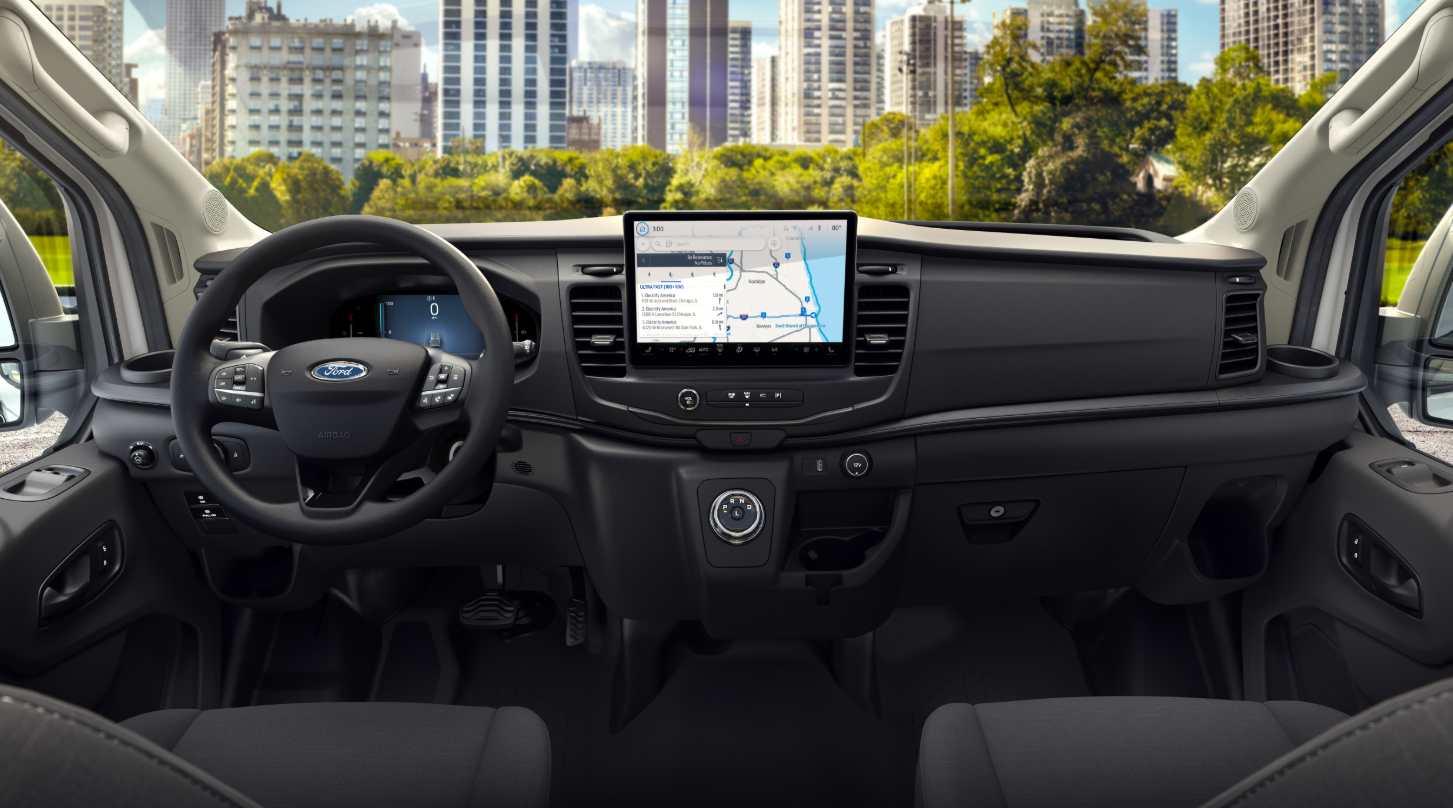
2026 Ford Transit interior

2026 Ford Transit Van: Interior Configurations for Work & Play

The 2026 Ford Transit Van comes in enough configurations that two buyers can walk away with vehicles that barely resemble each other inside. Whether you're building out a mobile trade unit, shuttling a youth sports team across Westchester County, or converting an empty cargo shell into a weekend adventure rig, the interior is where the purchase gets serious. Browse our new Ford Transit inventory in Brewster, NY to see current stock across configurations. Why the 2026 Ford Transit Van Interior Starts With How You Use It Before you look at trim levels or powertrain options, think practically about what you're actually doing with this vehicle. The roof height determines whether workers can stand upright. Body length sets your cargo capacity. The seating layout defines who rides and how many fit comfortably. The Transit has long been a go-to for commercial van buyers across industries, and the 2026 model carries that forward with a more refined interior architecture. Understanding how each configuration choice builds on the last makes the whole selection process much easier. Size and Roof Height: The Decisions That Shape Everything Else The 2026 Ford Transit interior takes shape the moment you choose your body configuration. Two wheelbases (Regular and Long), three body lengths (Regular, Long, and Extended), and three roof heights produce a wide matrix of possibilities, covering urban delivery work, high-volume passenger transport, and any number of specialized commercial applications. Roof Height Options: Low, Medium, or High The Low Roof variant is the most maneuverable option. It clears most standard parking garage heights and handles urban routes with fewer headaches. It's a strong choice for last-mile delivery operations or businesses that park in confined commercial spaces, though it limits standing use for taller workers. The Medium Roof gives meaningful standing clearance for shorter individuals while keeping the van manageable in most parking environments. It's a popular middle ground for mobile service businesses that need more interior workspace without committing to a full High Roof. Maximum interior cargo height runs up to approximately 72 inches depending on configuration, with an overall exterior vehicle height of roughly 99.1" to 101.3". The High Roof is where cargo builds and van life conversions really come alive. With a maximum interior cargo height of approximately 81.5 inches, workers can stand fully upright while loading, sorting, or handling on-site tasks. For contractors, it turns the cargo area into a practical mobile workspace; for van life enthusiasts, the ceiling clearance accommodates a proper bed platform, overhead storage, and a standing area within a single vehicle. Regular vs. Extended Length Length compounds every roof height decision. The regular wheelbase Transit fits comfortably in tighter spaces and handles more like a large SUV in daily driving. The extended version opens up significantly more cargo or passenger room, making it the natural pick for large crews, shuttle applications, or high-volume delivery businesses. Combining the extended body with a High Roof delivers the maximum usable interior volume the Transit lineup offers. In the Long-EL High Roof Cargo Van, that means up to 487.3 cu ft behind the first row, rising to 536.4 cu ft with the seats deleted. If raw capacity is your primary concern, that's where you land. 2026 Ford Transit Configuration Overview Body Style Length Roof Height Max Cargo Volume Passenger Capacity Key Use Case Cargo Van Regular Low Roof 280.9 cu ft 2 Urban fleet, confined parking Cargo Van Regular Medium Roof 358.7 cu ft 2 Mobile services, urban delivery Cargo Van Long Low Roof 311.9 cu ft 2 Trades, regional delivery Cargo Van Long Medium Roof 400.5 cu ft 2 Trades, van builds Cargo Van Long High Roof 453.4 cu ft 2 Trades, stand-up upfits Cargo Van Long-EL High Roof 536.4 cu ft 2 Maximum capacity, van builds Passenger Van Regular Medium or High Roof - Up to 12 Church groups, sports teams Passenger Van Long Medium or High Roof 461.9 cu ft Up to 15 Shuttle, group transport Inside the Cargo Van: Room to Work the Way You Need To The Transit Cargo Van is where professional buyers spend the most time on interior specifics. The cargo area is intentionally minimal from the factory, because Ford and aftermarket builders have developed a broad network of upfit accessories to turn that empty space into a highly functional work environment. Partition, Shelving, and Flooring Upgrades A steel or composite partition between the cab and cargo area protects the driver compartment from shifting loads and defines the working zone. Many buyers in the trades opt for a full partition with a pass-through window, keeping communication open without sacrificing protection. Purpose-built shelving really defines the cargo van interior. Aluminum units bolted to the side walls create organized vertical storage for tools, parts, and supplies. Locking drawers protect valuable equipment from shifting or theft. Flooring matters more than most buyers expect: a durable vinyl or rubber overlay protects the factory metal from moisture, chemical spills, and heavy equipment drag, while a reinforced plywood subfloor supports heavy toolboxes and provides clean anchor points throughout the cargo area. How Brewster-Area Contractors and Service Providers Put the Transit to Work Across northern Westchester County, the Transit is a familiar sight on job sites and in commercial driveways. Plumbers, electricians, and HVAC technicians rely on the Transit's cargo infrastructure daily, as do remodeling crews and mobile repair operations. The ability to configure the van to match a specific workflow is a big part of why so many businesses keep coming back to it. Contractors and fleet managers researching upfit options can explore our Brewster Ford commercial vehicles page for more on commercial-focused inventory and resources. That starting point helps streamline both the purchase and upfit planning before you visit the showroom. Inside the Passenger Van: Flexible Seating for Groups and Families The passenger version of the Transit trades cargo volume for human capacity, with more thoughtful attention to comfort than earlier generations. Whether you're running a shuttle service, managing a church transportation program, or coordinating team transport for a school, the passenger Transit handles the demand without compromise. Seating Layouts and Comfort From Row One to the Back Depending on your configuration, you can seat anywhere from 2 to 15 occupants. The full 15-passenger arrangement is available on Extended models, using forward-facing seats throughout the cabin with three-abreast seating in the middle and rear rows, keeping the center aisle clear for boarding and movement. The 12-passenger configuration remains one of the most popular choices for buyers who want solid occupant comfort without filling the last row. Removing the rear bench opens up a cargo area at the back, giving drivers a practical hybrid of hauling capacity and people transport. For youth sports teams, church groups, or small tour operations, this layout works exceptionally well. The real trade-off is worth acknowledging directly: a dedicated 15-seat setup maximizes headcount but leaves no cargo flexibility. A hybrid layout with a removable rear bench gives you both options, at the cost of some occupied seating. Most buyers find that thinking through their typical weekly use resolves this choice quickly. Shared Interior Features That Make Every Drive Better Whether you're configuring a cargo unit or a passenger wagon, the 2026 Ford Transit delivers a more refined driving experience than the utilitarian reputation of commercial vans might suggest. SYNC 4, Driver-Assist Tech, and Everyday Comfort The 2026 Transit features a 12-inch touchscreen running Ford's SYNC 4 infotainment system, paired with an 8-inch digital cluster display and keyless push-button start. SYNC 4 includes voice controls and standard Apple CarPlay and Android Auto. A standard 5G modem keeps connected fleet vehicles online without relying on a phone hotspot. Ford Co-Pilot360 is standard across all 2026 Transit models, including pre-collision assist with automatic emergency braking, lane-keeping alert, and blind-spot monitoring. These features are particularly valuable given the van's size. Available 360-degree camera systems help with tight maneuvering in parking lots or at loading docks. Available 10-way power heated seats for the driver and front passenger make a real difference for anyone regularly logging long days behind the wheel. Climate control with front and rear venting keeps the cab comfortable year-round. The Transit as an Adventure Vehicle: Van Life and Weekend Builds Beyond the job site, the 2026 Ford Transit has earned a following among van life enthusiasts and weekend adventurers. The High Roof Extended Transit has become one of the most popular bases for custom interior builds, because the available footprint and ceiling clearance give builders genuine room to work. A typical build starts with insulation panels fitted between the metal ribs of the cargo walls and ceiling. A bed platform designed to fold or slide creates a full sleeping surface without permanently sacrificing daytime walking space. Kitchen modules built from lightweight materials can incorporate a compact cooktop and a 12-volt refrigerator along one wall, with a small sink where space allows. Solar panels on the roof feeding a lithium battery bank allow self-sufficient off-grid travel for extended trips. Lower roof configurations suit lighter adventure use, particularly for buyers who prioritize easier parking and garage clearance over full stand-up headroom. The choice between roof heights mirrors the same decision contractors face: how much interior capability do you actually use on a given trip? Matching the Right 2026 Ford Transit Interior Configuration to Your Needs The 2026 Ford Transit interior choices break down along a few clear decision points. Cargo buyers should prioritize roof height based on whether standing workspace is needed, then choose length based on load volume. Passenger buyers should count their regular occupant load and decide between a dedicated 15-seat setup or a hybrid arrangement with rear cargo space. Van life buyers typically gravitate toward the High Roof Extended Cargo as their build base. It's also worth thinking about long-term ownership costs. The Transit has a strong durability record and broad aftermarket support, with parts widely available through dealerships and independent suppliers alike. Over a multi-year ownership cycle, that tends to keep total costs lower than many alternatives. Find Your Transit Configuration at Brewster Ford If you're ready to explore 2026 Ford Transit van interior options in person, we're here to help. At Brewster Ford, we stock Transit vans across roof heights and body lengths, and our team can walk you through available configurations, discuss upfit planning, and help you work through financing options that fit your budget. View our new Ford Transit inventory in Brewster, NY online, or stop by the showroom at 1024 Route 22, Brewster, NY 10509. Sales hours run Monday through Thursday from 9 AM to 7 PM and Friday through Saturday from 9 AM to 6 PM. You can also call our sales team at 845-205-7019 to check current Transit inventory or ask about configuration availability.
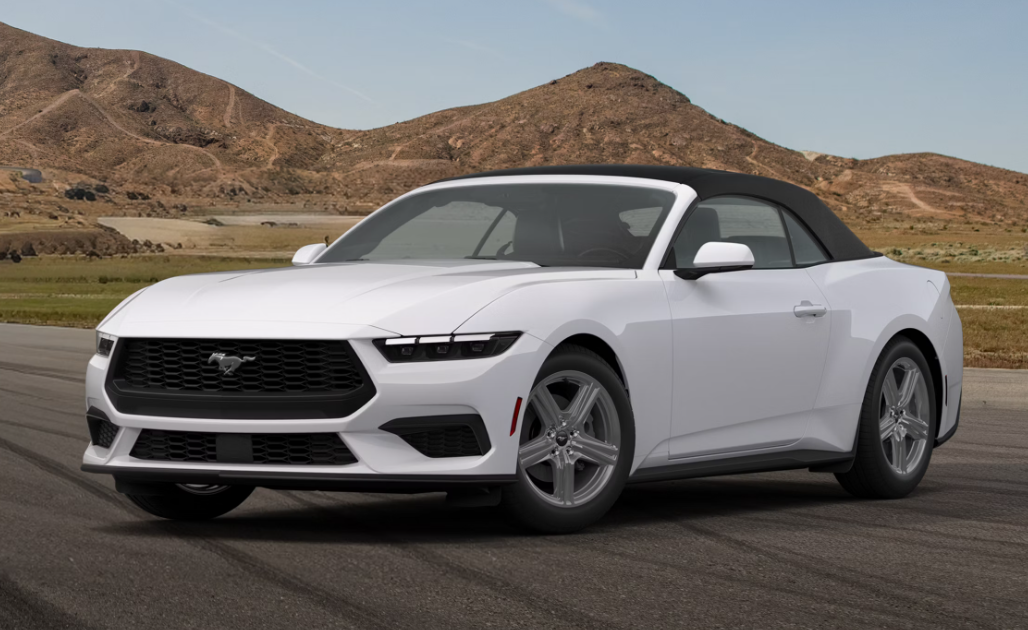
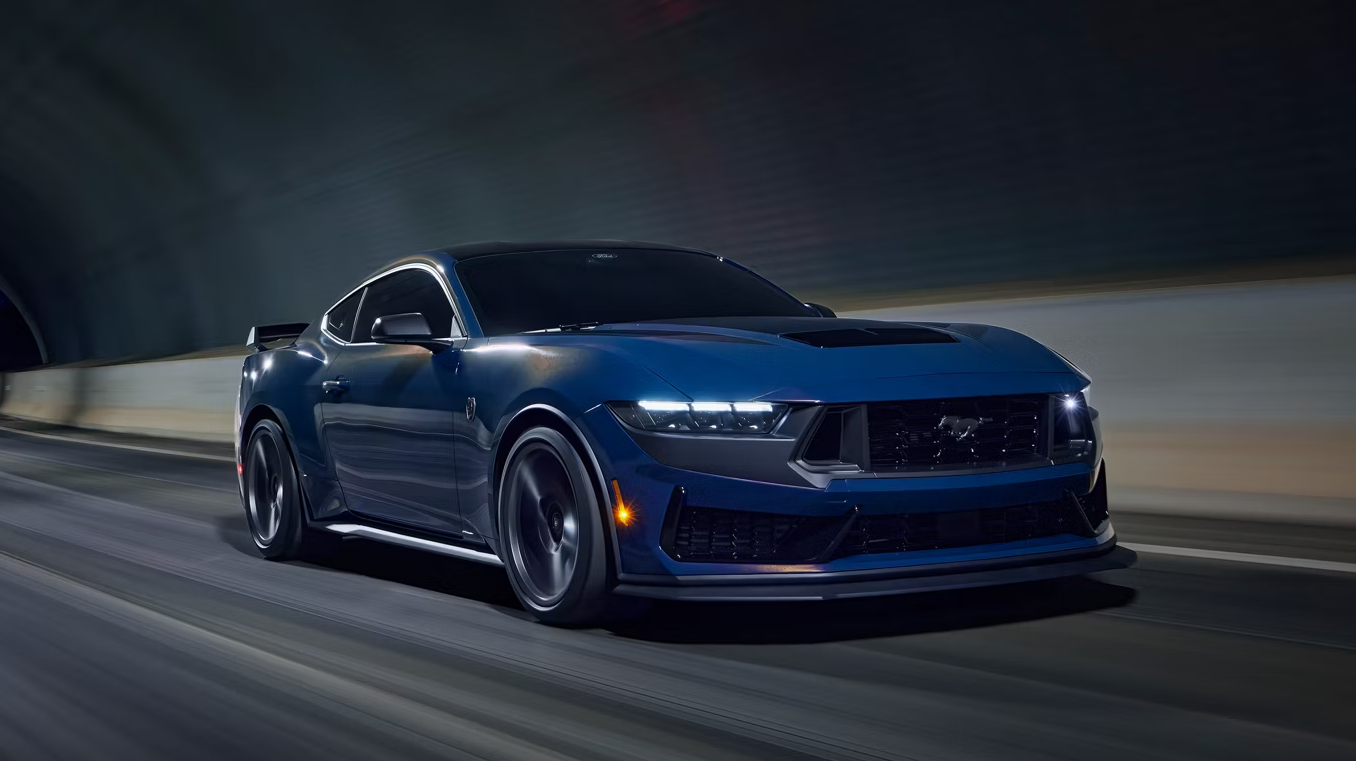
White 2026 Ford Mustang EcoBoost

2026 Ford Mustang EcoBoost vs. GT: Power & Performance Comparison

Picking between the 2026 Ford Mustang EcoBoost and the GT is one of the most genuinely fun decisions a car buyer can face. Both are real Mustangs that carry the pony car heritage, and both will put a grin on your face the moment you press the accelerator. They're built around very different philosophies, though, and the right choice has everything to do with what kind of driver you are. The comparison below will help you cut through the noise and zero in on what shapes your day-to-day experience behind the wheel. If you're ready to skip straight to the cars, explore our 2026 Ford Mustang inventory in Brewster, NY, and see what's available right now. Two Mustangs, One Big Decision: The Difference That Actually Matters The difference between the GT and the EcoBoost comes down to driving character. The EcoBoost's 2.3L turbocharged four-cylinder feels modern and eager, with a responsiveness that suits the way most people actually drive. The GT's 5.0L Coyote V8 leans hard into muscle car tradition, offering a raw, physical connection to the road that enthusiasts have loved for decades. Both models share the same sharp exterior, the same long hood, and the same unmistakable silhouette. Where they diverge is in how they feel the moment you pull out of the lot. The Driving Personality Behind Each Engine EcoBoost 2.3L Turbo: Eager and Responsive Ford rated the EcoBoost at 315 hp and 350 lb-ft of torque. What makes that torque figure meaningful is where it arrives: low in the RPM range, right where you actually use it in real-world driving. You feel the pull immediately when you merge onto a highway or need to make a confident pass on a two-lane road. The turbo spools up quickly, so the response feels immediate rather than delayed. The EcoBoost Premium builds further on that foundation with added refinement and tech features. For drivers who want urgency without fuel station guilt, this engine strikes a compelling balance. Choosing it is a deliberate move toward efficiency that doesn't cost you driver engagement. GT 5.0L Coyote V8: Raw Power and That Unmistakable Sound Ford rates the GT's 5.0L Coyote V8 at 480 hp and 415 lb-ft of torque in standard form. With the optional active valve performance exhaust, those figures rise to 486 hp and 418 lb-ft. The power builds steadily as RPMs climb toward the redline, creating a delivery that feels almost theatrical. You get pushed back into the seat with genuine authority, and the speed comes on fast. If your vision of a performance car centers on a V8 that announces itself at every startup and delivers serious power with a commanding presence, the GT checks every single box. Side-by-Side Specs Aspect Mustang EcoBoost Mustang GT Engine 2.3L Turbo I4 5.0L Ti-VCT V8 Horsepower / Torque 315 hp / 350 lb-ft 480 hp / 415 lb-ft (standard) 0–60 mph ~4.5 sec (third-party tested) ~4.2 sec (third-party tested) Fuel Economy (City/Highway) 22/33 mpg 16/24 mpg Everyday Life With a Mustang: Which One Fits Your Routine? Performance specs are exciting to read, but most of us spend the majority of our time in traffic, running errands, and commuting. That everyday context shapes which Mustang actually fits your life. Commuting, Fuel Stops, and Real-World Usability Fuel economy becomes a real consideration if you're putting on miles every weekday. According to one comparison source, the EcoBoost returns 22 mpg city and 33 mpg highway. The GT comes in at 16 mpg city and 24 mpg highway. That gap adds up meaningfully over a weekly commute. The EcoBoost squeezes more miles from each gallon without sacrificing the lively throttle response that makes the Mustang feel like a Mustang. The GT is absolutely drivable as a daily car, and plenty of GT owners do exactly that. It's honest to say, though, that it's less forgiving at the fuel pump, and managing its wider footprint in tight urban parking takes a little more attention. Weekend Drives Along the Brewster Area Backroads Northern Westchester County is genuinely excellent Mustang territory. The backroads around Brewster offer long sweeping curves, elevation changes, and stretches where you can actually feel what a car is made of. On roads like those, both models earn their keep in different ways. The EcoBoost feels light and confident through the corners, rewarding drivers who enjoy working with the car rather than managing it. The GT brings more drama to those same roads. It communicates everything the road is doing through the steering wheel and seat, putting you more deeply into every curve. Either way, those weekend runs through the Hudson Valley will be memorable. Performance That Puts a Smile on Your Face There's a reason people buy Mustangs over other options. It comes down to how the car makes you feel while driving it, and both models deliver on that front through different mechanisms. Acceleration and Driving Thrills Third-party testing puts the EcoBoost at approximately 4.5 seconds to 60 mph and the GT at approximately 4.2 seconds. In everyday driving terms, that three-tenths of a second gap is modest. Where the difference becomes more noticeable is in the texture of the experience. The EcoBoost feels fluid and eager. The GT feels powerful and urgent. Handling: Precision vs. Presence Handling is where the EcoBoost makes a genuine case for itself beyond fuel economy. Its lighter front end contributes to a balanced, agile feel that gives drivers real confidence in corners. The car rotates willingly and communicates clearly, making it enjoyable even at moderate speeds. The GT carries more mass over the front axle, which changes its handling balance. Ford has done solid work managing that weight through the GT's suspension calibration, and at higher speeds where the V8 is in its element, the car feels planted and composed. The choice really comes down to what you enjoy: precision and balance, or power and presence. The Sound Factor: Why It Changes Everything Sound is deeply personal, and when it comes to Mustangs, it's also deeply dividing. The GT's 5.0L Ti-VCT V8 produces one of the most recognizable exhaust notes in the automotive world. It's layered, full-bodied, and unmistakably American. It announces itself at startup, and that alone settles the debate for many buyers. The EcoBoost offers a tuned exhaust note that sounds purposeful and sporty, particularly through the higher RPM range. It has a refined, modern character. But it doesn't carry the same emotional weight. If you've ever sat at a stoplight next to a GT and felt your pulse tick up at idle, you already know which side of this argument you're on. Price, Value, and What You're Really Paying For The EcoBoost delivers a genuinely exciting Mustang experience with strong efficiency and everyday manageability built in. It's the model that gives you more flexibility to allocate toward options, and it delivers real sports car engagement without asking you to manage the fuel economy of a V8 every day. The GT asks for a larger ownership commitment, and for most buyers, that reflects the hardware you're getting: the Ti-VCT V8 comes paired with upgraded braking and performance suspension tuning, and those are genuine engineering upgrades. Whether that aligns with your priorities depends on how often you'll actually use what the GT offers. If weekend track days or spirited mountain runs are part of your life, the GT justifies itself quickly. If your driving is mostly practical with the occasional fun run, the EcoBoost delivers outstanding value. So Which 2026 Mustang Is Right for You? It really does come down to your driver profile. If you want a Mustang you can drive every day without thinking twice about fuel stops, one that handles with precision, turns heads at every red light, and still surges with real urgency when you need it, the EcoBoost is the smart, satisfying choice. It's built for the driver who values efficiency and daily manageability and refuses to compromise on fun. If you want the full muscle car experience, where the V8's startup rumble and the surge of the Ti-VCT engine make every drive feel like an event, the GT is worth every part of the premium. It's for the driver who wants a visceral, announce-itself experience and won't settle for anything less than that emotional connection. The 2026 Mustang lineup gives you both options at a level of quality that makes either decision feel like a win. Browse our new inventory to see current availability and find the trim that fits your priorities. Explore the 2026 Ford Mustang at Brewster Ford Reading about performance only gets you so far. The best way to resolve the EcoBoost vs. GT question is to get behind the wheel of both and feel the difference yourself. Brewster Ford is the only dedicated Ford store in the Volz Auto Group, serving Brewster, NY and the surrounding communities of northern Westchester County. Our team knows these vehicles inside and out and is genuinely focused on helping you find the right fit. On-site financing is available to help you work out competitive rates and flexible terms. Stop by at 1024 Route 22, Brewster, NY 10509 during sales hours Monday through Thursday from 9 AM to 7 PM, or Friday and Saturday from 9 AM to 6 PM. You can also reach our sales team directly at 845-205-7019 or reach out online to schedule a test drive. The 2026 Ford Mustang is waiting. Come find out which one is yours.

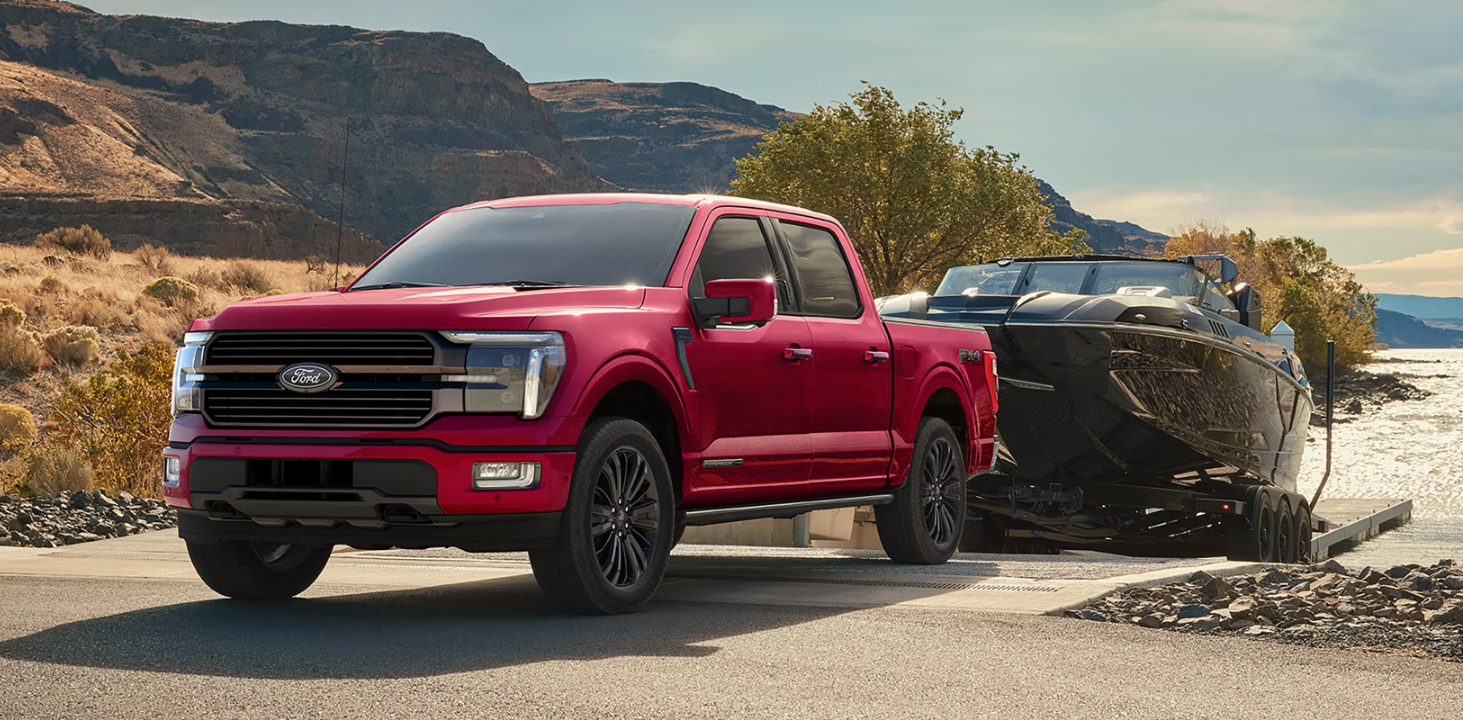
Red 2026 Ford F-150 Hybrid towing a boat

2026 Ford F-150 PowerBoost Hybrid vs. Gas Engines: Which Suits You?

Picking the right engine for a new F-150 used to feel straightforward. You chose between a V6 and a V8, maybe leaned on a salesperson for guidance, and drove off the lot. Today, the conversation runs deeper, and that's actually a good thing. The 2026 Ford F-150 offers one of the most thoughtfully designed engine lineups in the full-size truck segment, and the hybrid vs. gas decision is worth getting right before you sign anything. If you're ready to start browsing, check out our current 2026 Ford F-150 inventory in Brewster, NY, while you read through the comparison below. Why Brewster Drivers Are Rethinking Their F-150 Engine Choice Truck buyers in and around Brewster, NY, are asking harder questions about their vehicles than they were a few years ago. Fuel prices fluctuate at the worst possible times, commutes through northern Westchester County mix stop-and-go stretches with longer open-road segments, and plenty of people need a truck that can genuinely work on the job. Those real-world pressures have moved the hybrid vs. gas conversation well into the mainstream. Total cost of ownership, resale value, and whether a truck's technology actually serves daily needs all matter to buyers now in a way they didn't use to. The 2026 F-150 lineup addresses all of it, but only if you match the right engine to your actual driving life. A Quick Look at the 2026 F-150 Engine Lineup Ford offers a genuinely diverse set of powertrains for the 2026 F-150, and every option pairs with a 10-speed automatic transmission. That consistency helps each engine perform well across varying driving conditions, whether you're cruising the highway or hauling a loaded trailer. Gas Engine Options: Tried, Tested, and Built for Power The gas-only engines in the 2026 F-150 cover a lot of ground. The 2.7L EcoBoost V6 is one of the most popular choices in the lineup. Its turbocharged design punches above its displacement, delivering strong acceleration for urban driving and highway merging, with solid capability for light hauling. The 3.5L EcoBoost V6 is a twin-turbocharged powerhouse with a loyal following among truck buyers who regularly tow or haul heavy loads. For those who prefer the character of a larger displacement engine, the 5.0L Ti-VCT V8 remains available, offering that classic sound and naturally aspirated feel that a certain kind of truck buyer still wants. The 3.5L PowerBoost Full Hybrid: What Sets It Apart The 2026 Ford F-150 PowerBoost pairs the proven 3.5L twin-turbocharged V6 with an integrated electric motor. Ford rates the system at 430 horsepower and 578 lb-ft of torque, with max towing capacity of up to 11,600 lbs when properly equipped. According to EPA estimates, the PowerBoost returns 22 city / 24 highway / 23 combined mpg in 4WD configuration, and 25 city / 26 highway / 25 combined mpg in 2WD. One important clarification: the PowerBoost is a full hybrid rather than a plug-in hybrid (PHEV). No external charging is required. The system manages itself entirely through regenerative braking and the gas engine, so there's no new charging routine to adopt. The PowerBoost also includes Pro Power Onboard standard at 2.0 kW, a built-in generator that turns the truck into a mobile power source, with upgrade options up to 7.2 kW available. That capability goes well beyond fuel economy and genuinely changes how you can use the truck day to day. 2026 F-150 Engine Comparison at a Glance Engine Horsepower / Torque EPA Combined MPG Max Towing Pro Power Onboard Best-Fit Use 2.7L EcoBoost V6 325 hp / 400 lb-ft 21 combined (2WD) / 20 combined (4WD) Up to 8,400 lbs Not available Daily driving, light hauling 3.5L EcoBoost V6 400 hp / 500 lb-ft 20 combined (2WD) / 19 combined (4WD) Up to 13,500 lbs Not available Heavy towing, max capability 5.0L Ti-VCT V8 400 hp / 410 lb-ft 19 combined (2WD) / 19 combined (4WD) Up to 12,800 lbs Not available Traditional feel, off-road character 3.5L PowerBoost Full Hybrid V6 430 hp / 578 lb-ft (Ford-rated) 23 combined / 4WD (EPA estimate) Up to 11,600 lbs Up to 7.2 kW Mixed use, worksite, efficiency Fuel Economy in the Real World: Hybrid vs. Gas on Hudson Valley Roads Hudson Valley roads blend small-town stop-and-go traffic with longer stretches of Route 22 and I-684, and that mix plays directly to the PowerBoost's strengths. Electric-assist during acceleration and energy recovery during braking both reduce fuel consumption in exactly the conditions truck buyers encounter most often around here. The gas engines, including the 3.5L EcoBoost, tend to close the MPG gap on longer highway segments where sustained speeds reduce the electric motor's contribution. If most of your miles involve true long-haul highway driving, the efficiency difference narrows. For the blended driving that most Brewster-area truck buyers actually do, though, the PowerBoost's real-world efficiency is a meaningful advantage. Towing, Hauling, and Jobsite Performance Compared Performance under load is where the engine debate gets most interesting, because this is where most truck buyers have specific, non-negotiable requirements. Does the PowerBoost Hold Its Own Against the 3.5L EcoBoost? The PowerBoost holds up well against the standard 3.5L EcoBoost in towing scenarios, and in some conditions it has an edge. The electric motor contributes instant torque at low RPMs, which makes getting a heavy trailer moving from a standstill feel noticeably smoother and more controlled. Highway towing performance between the two engines is closely matched, and both offer substantial capacity suited to boats, horse trailers, and loaded equipment hauls common in this region. Truck buyers who tow regularly and want a strong combination of capability and fuel economy will find the PowerBoost makes a compelling case. Those who need the absolute highest towing numbers and aren't concerned about fuel costs may still prefer the standard 3.5L EcoBoost, but the gap has narrowed considerably. Pro Power Onboard: The Hybrid's Worksite Advantage The Pro Power Onboard system, available at its highest output with the PowerBoost, delivers up to 7.2 kW of exportable power directly from the truck, though the standard output is 2.0 kW and the 7.2 kW option requires an upgrade. Running power tools and charging equipment on a jobsite no longer requires hauling a separate generator to every location. For contractors, landscapers, and anyone whose truck is also their office, that's a practical daily-use capability that shifts the cost math considerably over the life of the vehicle. The PowerBoost's price premium looks a lot smaller when you factor out the cost of a standalone generator. Matching Your Engine to Your Lifestyle No single engine is best for every driver. The right choice depends on how you actually spend time in your truck. Daily Commuting and Weekend Errands If most of your miles involve getting to and from work, running errands around Brewster, and occasional weekend trips, the 2.7L EcoBoost V6 is genuinely hard to beat on pure practicality. It's responsive in traffic and returns solid MPG for its class. The PowerBoost is also worth serious consideration here, especially if your commute involves significant stop-and-go driving where the hybrid's efficiency advantage is most pronounced. Hauling Gear, Trailers, and Heavy Loads Frequent towers and haulers should focus on the 3.5L EcoBoost or the PowerBoost. Both deliver the torque and towing capacity needed for regular work with trailers, boats, or heavy cargo. The PowerBoost's advantage shows up in low-speed torque response and better fuel economy during mixed-use driving between tow sessions. For truck buyers who tow every day and rank outright capability above fuel cost, the standard 3.5L EcoBoost remains a proven choice. Outdoor Recreation and Light Off-Road Use The F-150 PowerBoost 4x4 configuration brings the hybrid's efficiency and Pro Power Onboard capability to off-road-ready setups, which is genuinely useful when you're camped somewhere without shore power. The 5.0L Ti-VCT V8 appeals to truck buyers who want that traditional powertrain feel and aren't concerned about fuel consumption. Both approaches work; it comes down to whether you'd rather have classic character or practical versatility at your campsite. The Cost Question: Is the Hybrid Worth the Premium? The PowerBoost carries a price premium over comparable gas-engine configurations, and it's worth being straightforward about that rather than dismissing it. Where the math shifts is over time. Consistent fuel savings from the PowerBoost's improved efficiency, combined with the practical value of Pro Power Onboard for work applications, can offset a meaningful portion of that initial premium. Truck buyers who drive high annual mileage or use Pro Power Onboard regularly will likely see a faster return than those who drive less or have no need for onboard power. The PowerBoost also comes in more feature-rich packages across many configurations, so the comparison isn't always apples to apples. Exploring the new Ford trucks for sale at Brewster Ford and working through the numbers with our financing team can help clarify the true cost picture for your specific situation. Which 2026 F-150 Engine Is Right for You? The right choice comes down to your actual use case, and the 2026 F-150 lineup has a strong answer for each one. The PowerBoost is the standout pick when fuel economy and onboard power are at the top of the list. The 3.5L EcoBoost, with a best-in-class max available towing of 13,500 lbs, is where to look for maximum towing with a proven, no-frills powertrain. The 2.7L EcoBoost makes the most sense as a lighter, efficient daily driver where keeping costs manageable matters most. The 5.0L Ti-VCT V8 still earns its place for truck buyers who want a naturally aspirated engine with classic truck character. The PowerBoost offers the most complete package for truck buyers whose driving life covers daily commuting, occasional hauling, and jobsite or outdoor use. For buyers with more singular demands, one of the gas engines may be the better fit, and that's a perfectly valid conclusion. Find Your Ideal F-150 Setup at Brewster Ford Brewster Ford is the only dedicated Ford dealership within the Volz Auto Group's four-store network, which means our team focuses exclusively on Ford vehicles and knows the 2026 F-150 lineup inside and out. Whether you're sorting through PowerBoost specs for the first time or comparing configurations side by side, we can walk you through the real differences in a way that actually helps. We offer new F-150 inventory along with a selection of certified pre-owned and used vehicles, plus on-site financing to make the cost conversation clearer once you see the numbers for your budget and driving habits. You can schedule a test drive, get a trade-in appraisal, or simply come in and compare configurations in person. Brewster Ford is located at 1024 Route 22, Brewster, NY 10509, with sales available Monday through Thursday from 9 AM to 7 PM and Friday through Saturday from 9 AM to 6 PM. Reach our sales team at 845-205-7019, or contact us online to get the conversation started.

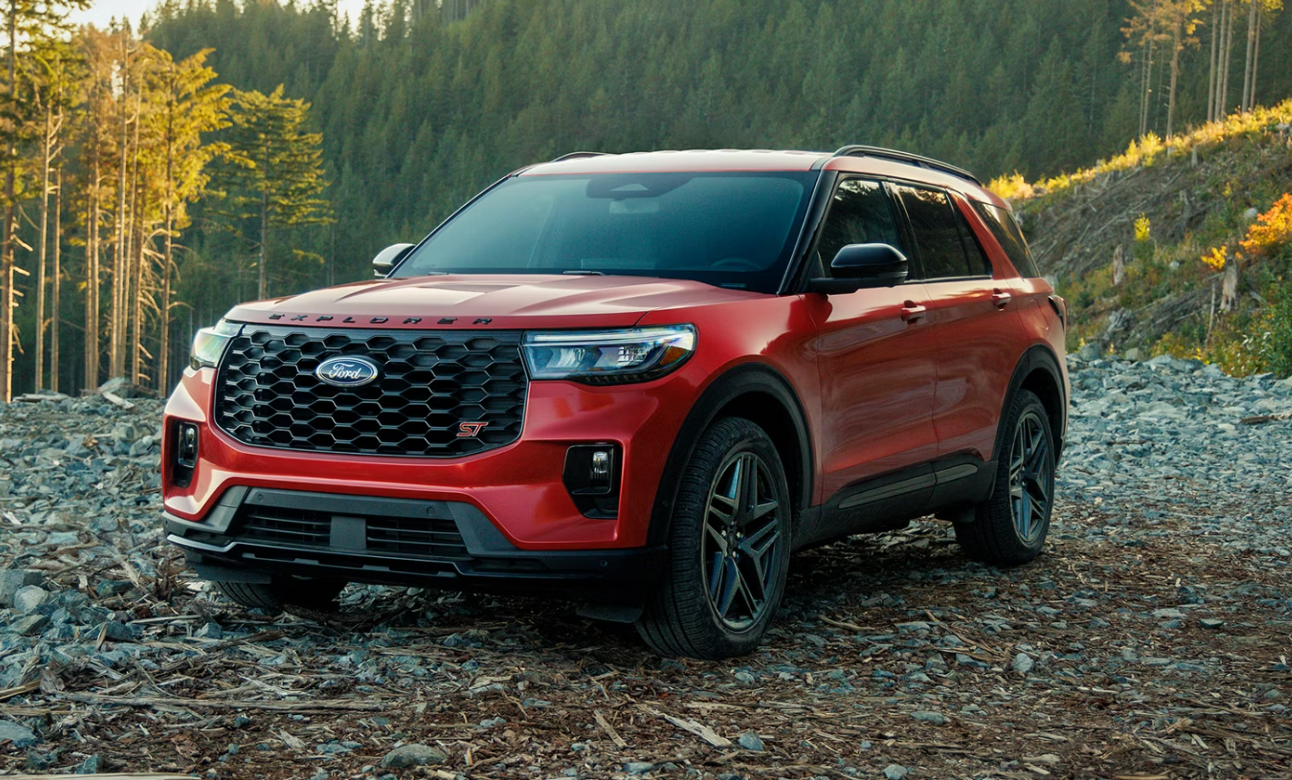
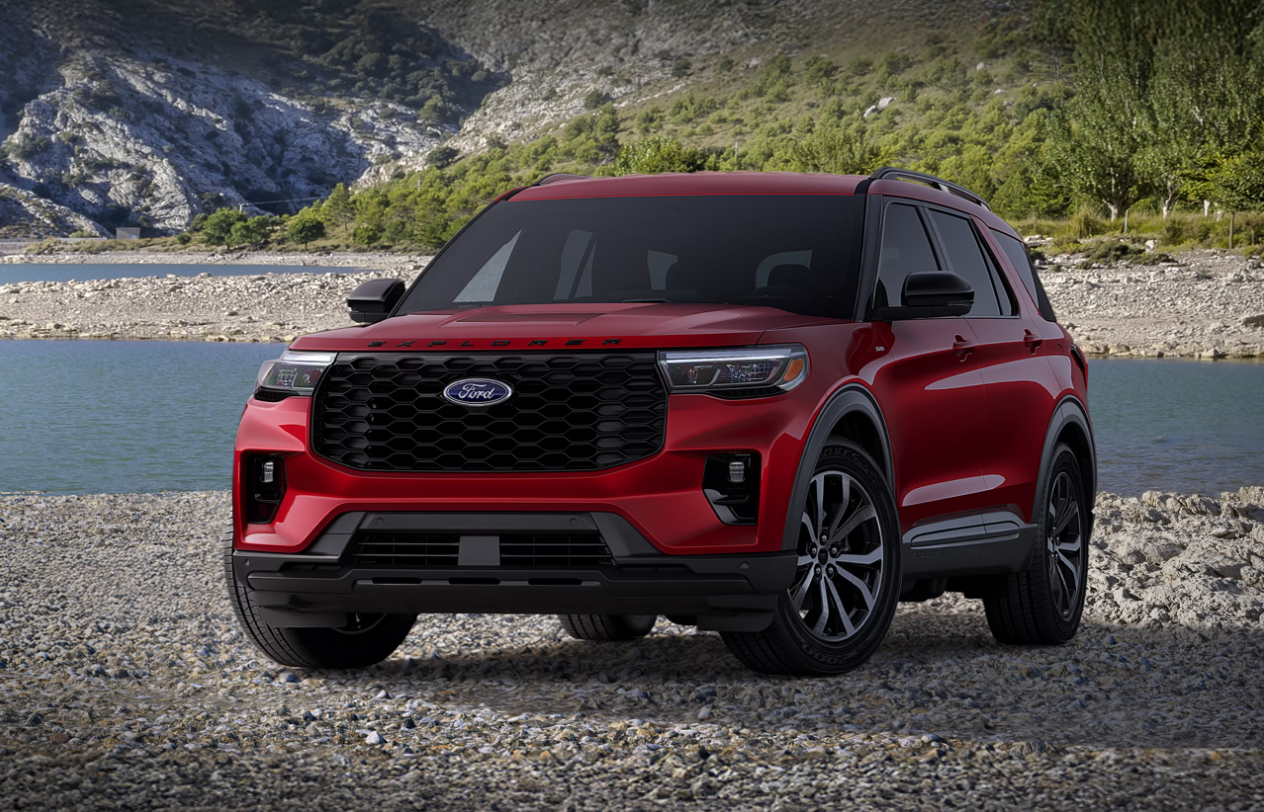
Red 2026 Ford Explorer ST parked in forest

2026 Ford Explorer ST vs. Active: Performance & Comfort Comparison

Imagine you're a Brewster-area shopper weighing two very different versions of the same SUV. One promises an engaging, athletic drive on Route 22 and the back roads of northern Westchester. The other promises dependable, family-friendly versatility through every school run, slushy January commute, and everything in between. Both are the 2026 Ford Explorer, and both make a strong case. If you're trying to decide between the ST and the Active, we put together this comparison to help you sort it out. You're also welcome to browse our Ford SUV inventory at Brewster Ford while you research. Where the ST and Active Sit in the 2026 Explorer Lineup The 2026 Ford Explorer lineup includes the Active 100A, Active, ST-Line, Tremor, Platinum, and ST. Understanding that spread makes the comparison easier. The ST is the performance-focused flagship, tuned for drivers who want maximum output and sport-calibrated dynamics. The Active sits at a thoughtfully equipped position in the lineup, prioritizing outdoor capability and family usability over raw power. Neither trim is a compromise. Each is purpose-built. The difference really comes down to what kind of driver you are and which trips fill up your week. 2026 Ford Explorer ST: Built for Drivers Who Want More The 2026 Ford Explorer ST makes its intentions clear from the moment you look at it. This is a performance SUV built for drivers who expect their vehicle to respond with urgency and precision. Performance Engine and Sport-Tuned Dynamics The ST runs Ford's 3.0L twin-turbo EcoBoost V6. The ST produces 385 hp and 415 lb-ft of torque. This is substantially more power than any other trim in the Explorer lineup. RWD comes standard, with Intelligent 4WD available as an option to put that power down efficiently in all conditions. The sport-tuned suspension is calibrated for sharper handling and reduced body roll, giving the ST a road-connected feel that most three-row SUVs don't offer. Performance brakes and a quad-tipped exhaust are part of the package as well. For drivers who regularly take the winding roads between Brewster and the broader Westchester area, that responsive handling translates into a noticeably more engaging daily drive. Highway merges and passing feel immediate and confident rather than effortful. ST Styling, Interior Appointments, and Cabin Experience The ST carries a more aggressive exterior stance, with blacked-out accents and unique badging that visually separate it from other Explorer trims. It signals its performance orientation without going overboard. Inside, the theme continues. Sport-bolstered seating provides lateral support during spirited cornering, while premium materials and an athletic cabin feel keep things refined rather than race-car spare. The three-row layout seats up to seven, and while the ST prioritizes driver engagement, it retains the Explorer's fundamental practicality. Ford's infotainment suite ties everything together through a large central touchscreen. 2026 Ford Explorer Active: Comfort, Capability, and Everyday Value The 2026 Ford Explorer Active takes a different approach. Rather than chasing performance numbers, it focuses on all-weather capability and family usability. It's built for people who need their SUV to handle real life without friction. Turbocharged Efficiency and Intelligent 4WD The Active runs Ford's 2.3L EcoBoost I-4, producing 300 hp and 310 lb-ft of torque. It won't match the ST's output, but it has more than enough for everyday driving while keeping running costs sensible. For families commuting into White Plains or making regular road trips across New York, that efficiency adds up over time. Available Intelligent 4WD adds meaningful confidence on wet pavement and packed snow. If you're dealing with Hudson Valley winters on Route 22 or heading north into the Catskills on weekends, this system works automatically, distributing torque where it's needed without requiring driver input. The Active's ride is more forgiving than the ST's sport-tuned setup, absorbing rough patches and road imperfections in a way that makes longer family trips more comfortable for every passenger. Active Interior, Family Space, and Versatility The Active's strongest argument is its cabin. Seating is comfortable across all three rows, with the emphasis on usable space rather than tight sport-style contouring. Cargo flexibility is excellent, with multiple configurations that can fit a stroller and sports equipment alongside bags for a weekend trip without forcing awkward compromises. Storage solutions and interior layout reflect how families actually use their vehicles day to day. The technology suite includes user-friendly connectivity and Ford's standard safety features, keeping every trip comfortable and connected whether it's a school run or a weekend escape. The overall cabin character is relaxed and confident rather than driver-focused and intense. ST vs. Active: Head-to-Head Comparison Chart Two very different vehicles sharing the same nameplate. Here's how they stack up. Aspect 2026 Ford Explorer ST 2026 Ford Explorer Active Core Focus Performance, driver engagement Everyday versatility, family value Standard Engine 3.0L twin-turbo EcoBoost V6 2.3L EcoBoost I-4 Output 385 hp / 415 lb-ft 300 hp / 310 lb-ft Drivetrain Standard RWD (Intelligent 4WD available) Available Intelligent 4WD Ride Character Sport-tuned, firm, road-connected Comfort-tuned, forgiving, family-friendly Best For Driving enthusiasts, performance-focused buyers Families, commuters, all-weather versatility Both trims share the Explorer's spacious three-row layout, modern safety technology, and build quality. The differences are real but targeted. This is a comparison about lifestyle fit, not about one trim being objectively better than the other. Which Explorer Fits Your Hudson Valley Lifestyle? Living in the Hudson Valley means your vehicle earns its keep across a wide range of conditions. Icy roads in January, hiking trails in October, school drop-offs on a Wednesday morning, long hauls down I-684 on a Friday afternoon. Each puts different demands on an SUV. The right Explorer trim is the one that handles your particular mix most naturally. If your household leans toward weekend adventure and the occasional towing job, and if you actually enjoy driving rather than just tolerating it, the ST is easy to recommend. It rewards engaged drivers and brings a level of excitement to everyday routes that the Active isn't designed to replicate. It's also the right call for buyers who want the most powerful Explorer in the lineup without looking elsewhere. For growing families, frequent local commuters, or anyone who puts a premium on practicality alongside solid all-weather performance, the Active is a strong choice. It handles the realities of family life without asking you to give up comfort or capability. Contact us at Brewster Ford for current pricing on either trim; we're happy to walk through the value each one offers and help you figure out which fits your budget and priorities. Find Your 2026 Ford Explorer at Brewster Ford Brewster Ford is the dedicated Ford dealership within the Volz Auto Group's four-store network, located at 1024 Route 22 in Brewster, NY. We serve northern Westchester County and surrounding communities, and our team can walk you through both Explorer trims in person. Whether the ST's performance focus or the Active's everyday practicality sounds more like your life, explore our current 2026 Ford Explorer inventory to see what's in stock. You can reach our sales team at 845-205-7019. Sales hours run Monday through Thursday from 9 AM to 7 PM and Friday through Saturday from 9 AM to 6 PM. A test drive is the most reliable way to make this decision. Specs and comparison charts tell part of the story, but the way an ST feels through a corner or the way an Active's cabin absorbs a rough patch of road tells the rest. Reach out to us at Brewster Ford to schedule a test drive of the 2026 Ford Explorer ST, the Active, or both, and find the Explorer that fits your life.

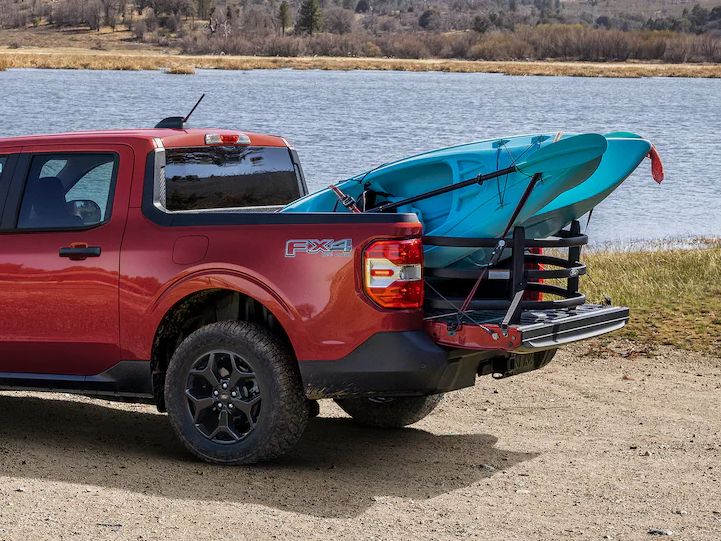
Red 2026 Ford Maverick with Accessories

Accessory Spotlight: Best Ford-Approved Upgrades for Your Truck or SUV

Your Ford truck or SUV already does a lot of heavy lifting straight from the factory. But the right accessories can take it from capable to genuinely custom-built for how you actually live. Whether you're hauling gear through northern Westchester County or chasing trails on weekends, Ford-approved upgrades let you personalize your vehicle without giving up reliability or warranty coverage. This guide covers the best Ford upgrades across every category, from cargo management and off-road performance to interior comfort and exterior style. If you have questions about anything below, reach out to our team and we'll help you find the right fit for your vehicle. Why Ford-Approved Accessories Are the Smart Upgrade Choice The aftermarket is full of options, but not all upgrades are created equal. Ford Performance and OEM accessories are engineered specifically for Ford vehicles, which means they fit correctly, perform as expected, and don't create headaches down the road. That matters more than most people realize. Generic parts might look similar and cost less upfront, but they can introduce compatibility issues, void portions of your warranty, or simply wear out faster. Ford-approved accessories meet the same quality standards as the vehicle itself. The Magnuson-Moss Warranty Act establishes that Ford cannot void your warranty solely for using OEM-approved accessories, which gives you real protection when you upgrade the right way. Higher-risk modifications like ECU tuning or forced induction are a different story, and we always recommend consulting with us before buying anything that could affect your powertrain warranty. For drivers considering Ford modifications or F-150 upgrades, starting with Ford Performance and OEM options gives you a solid, warranty-compatible foundation to build from. Best Ford Upgrades for Cargo Management and Utility Utility is one of the biggest reasons people choose a Ford truck or SUV in the first place. These cargo-focused upgrades help you use that capability to the fullest. Tonneau Covers and Bed Liners A tonneau cover is one of the most practical upgrades we install on F-150 and Super Duty trucks. It protects cargo from weather and theft while improving aerodynamics. Fuel efficiency improvements can range anywhere from 5-10% depending on driving conditions, cover type, and vehicle configuration. Soft folding covers are lighter and easier to remove when you need full bed access. Hard roll-up covers offer more security and a cleaner look. For contractors making daily runs around Brewster, NY or hauling tools on I-84, both are solid choices. Bed liners work alongside tonneau covers to protect the truck bed itself. Without one, regular use leads to scratches, dents, and eventually rust. A quality liner takes the punishment so your truck doesn't have to. Roof Racks, Hitches, and Cargo Organization When the bed isn't enough, a roof rack opens up real carrying capacity. Ford Roof Rack Crossbars for Explorer and Bronco support dynamic load limits that vary by model and configuration (see your Owner's Manual for exact specifications), making them ideal for carrying kayaks, bicycles, and oversized gear. Our new Ford SUVs come ready for these add-ons with clean factory integration points. Hitches are equally vital for anyone who tows. A standard Class IV hitch handles up to 10,000 lbs, while an F-150 with the Max Trailer Tow Package reaches up to 13,500 lbs maximum towing capacity. Whether you're pulling a boat to Lake Kitchawan or hauling a trailer loaded with landscaping equipment, a properly rated Ford hitch keeps you towing within spec. Cargo nets, dividers, and bed organizers add a final layer of organization that makes a genuine difference on longer drives. Upgrade Comparison: Key Ford Accessory Categories Upgrade Type Compatible Ford Models Primary Benefit Warranty Risk Level Best Use Case Tonneau Cover F-150, Super Duty Cargo security, fuel efficiency improvement of 5-10% Low Contractor tool transport, daily commuting Roof Rack Crossbars Explorer, Bronco Dynamic load capacity varies by model (see Owner's Manual) Low Camping, kayaking, oversized gear Trailer Hitch (Class IV) F-150, Super Duty Up to 10,000 lbs towing (13,500 lbs with Max Trailer Tow Package) Low Boat hauling, trailer towing Lift/Leveling Kit F-150 (2015-2020 4WD), Bronco Improves approach angle from 26 to approximately 31 degrees Medium (consult us first) Trail riding, off-road use Skid Plates Bronco, Ranger Shields oil pans and transfer cases Low Rock crawling, rugged terrain Off-Road Lighting F-150, Bronco, Ranger 5,000+ lumens via Rigid LED or Ford auxiliary pod lights Low Night trail riding, back roads Top Ford Accessories for Off-Road Capability Off-road performance is where Ford truck upgrades tend to get the most attention. A properly equipped Ford truck or Bronco can handle terrain that would stop most vehicles cold. The key is layering upgrades that work together rather than bolting on parts without a plan. Lift Kits, Skid Plates, and All-Terrain Tires Ford Performance 2-inch Leveling Kits and 35-inch Tire Compatibility Packages are available for the F-150 (2015-2020 4WD models) and Bronco. A leveling kit improves approach angle from 26 degrees stock to approximately 31 degrees, which meaningfully expands the terrain you can tackle. Pair that with Nitto Ridge Grapplers and you've got a setup that performs across mud, gravel, sand, and loose rock near Appalachian Trail access points. Skid plates shield the oil pan and transfer case during those moments when contact with rocks or roots is unavoidable. They're a popular add-on for Bronco and Ranger owners who spend real time off pavement. Schedule a service appointment and we'll help you spec out the right combination of lift, skid plates, and tires for your build. Recovery Gear and Off-Road Lighting No off-road setup is complete without recovery equipment. Winches, tow straps, and recovery boards give you options when soft ground or a steep descent creates a situation you didn't plan for. Even experienced off-roaders end up in unexpected spots, and the right gear keeps a minor problem from turning into a major one. Off-road lighting transforms nighttime trail riding entirely. Ford auxiliary pod lights and Rigid LED Off-Road Lights deliver 5,000+ lumens and mount directly to factory bumpers, cutting through darkness in ways that stock headlights simply can't match. For drivers planning dawn-to-dusk adventures or navigating back roads after sunset, quality lighting is a safety upgrade that also builds real confidence behind the wheel. Interior Accessories That Elevate Daily Comfort and Convenience Off-road capability gets the glory, but daily comfort is what makes a truck or SUV genuinely pleasant to live with over the long haul. All-Weather Floor Mats and Seat Protection Ford All-Weather Floor Liners feature raised edges and are custom-molded for F-150, Explorer, and Maverick cabins. They catch mud, snow, and water before it ever reaches your carpet, making cleanup fast and protecting the interior from staining and odor. In northern Westchester, where winters are genuinely messy, this upgrade pays for itself pretty quickly. Seat covers add a similar layer of protection for anyone regularly transporting kids, pets, or dirty gear. They reduce wear on factory upholstery and keep the interior looking fresher longer, which matters come trade-in time. Tech Upgrades and Connectivity Add-Ons Ford Wireless Charging Pads and 360-Degree Camera Kits integrate directly with SYNC 4 systems, so there's no complicated aftermarket install involved. Bed and Cargo Area Cameras add blind-spot monitoring for trailers, which is genuinely useful for anyone who tows frequently. These are plug-and-play solutions engineered for your specific model. They work seamlessly because they were designed to. Exterior Accessories That Add Function and Curb Appeal Exterior upgrades do double duty by improving both how your vehicle looks and how it performs. Ford Grille Guards, Side Steps, and Running Boards are available for Super Duty trucks, while Wheel-to-Wheel Steps work well on lifted F-150 setups. Running boards make it significantly easier to step into a tall truck or SUV, a quality-of-life improvement that daily drivers consistently appreciate. Black Appearance Packages featuring smoked headlights and badging give trucks a sharp, intentional look. All exterior Ford Performance pieces use powder-coated finishes that resist the corrosion Northeast winters are known for accelerating. Fender flares protect painted surfaces from debris thrown by larger tires, which is particularly relevant if you've already upgraded to all-terrain tires as part of your build. Our new Ford trucks can be specced with many of these exterior options from the start. How Brewster Drivers Are Getting the Most From Their Ford Trucks and SUVs Drivers in the Brewster area use their vehicles across a pretty wide range of situations. Northern Westchester County offers suburban commuting, rural back roads, and easy access to trails and lakes that reward a well-equipped truck. That variety shows up in the kinds of upgrades we see most often. Many drivers start with utility-focused upgrades like bed liners and tonneau covers, then expand into off-road accessories as their interests develop. Others jump straight to performance builds, especially those driving the F-150 Raptor or Bronco. Contractors hauling landscaping and farm supplies consistently prioritize cargo management. Families tend to start with interior protection and tech add-ons. What ties all these different approaches together is a preference for genuine Ford parts that preserve performance and protect the warranty through every season. Visit Brewster Ford for Genuine Accessories and Professional Installation We carry a wide selection of genuine Ford accessories, with factory-trained technicians ready to handle professional installation. Even a well-chosen accessory can cause problems if installed incorrectly, and getting it done right the first time saves real headaches later. Our value comes down to three things: genuine Ford Performance and OEM parts, certified technician installation, and factory-backed warranty protection. When you work with us, you're not guessing whether an accessory will hold up or affect your coverage. Whether you're upgrading a brand-new F-150 or building out a Bronco you recently purchased, we can help you identify the right accessories for your needs. Contact our team to get started, ask about specific accessories, or schedule time with our parts and service department.

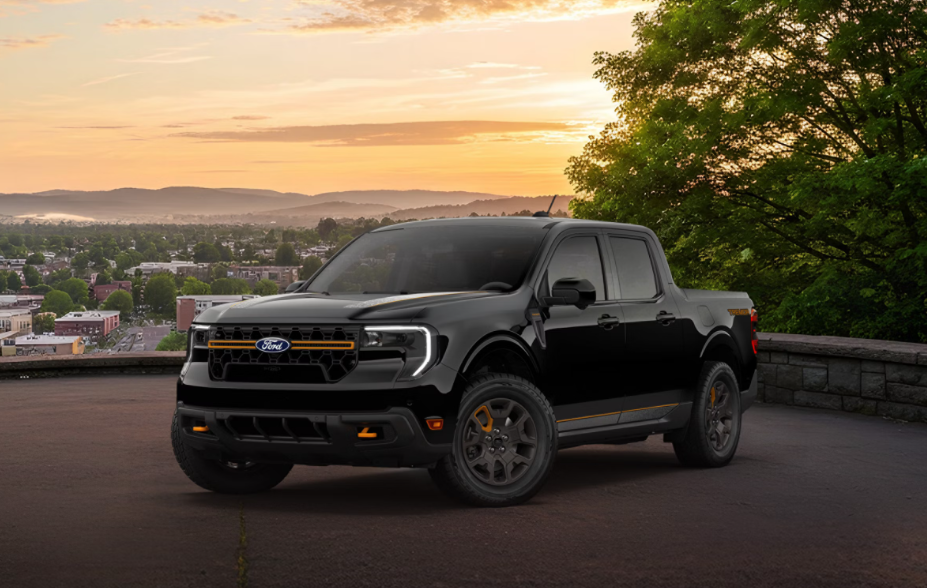
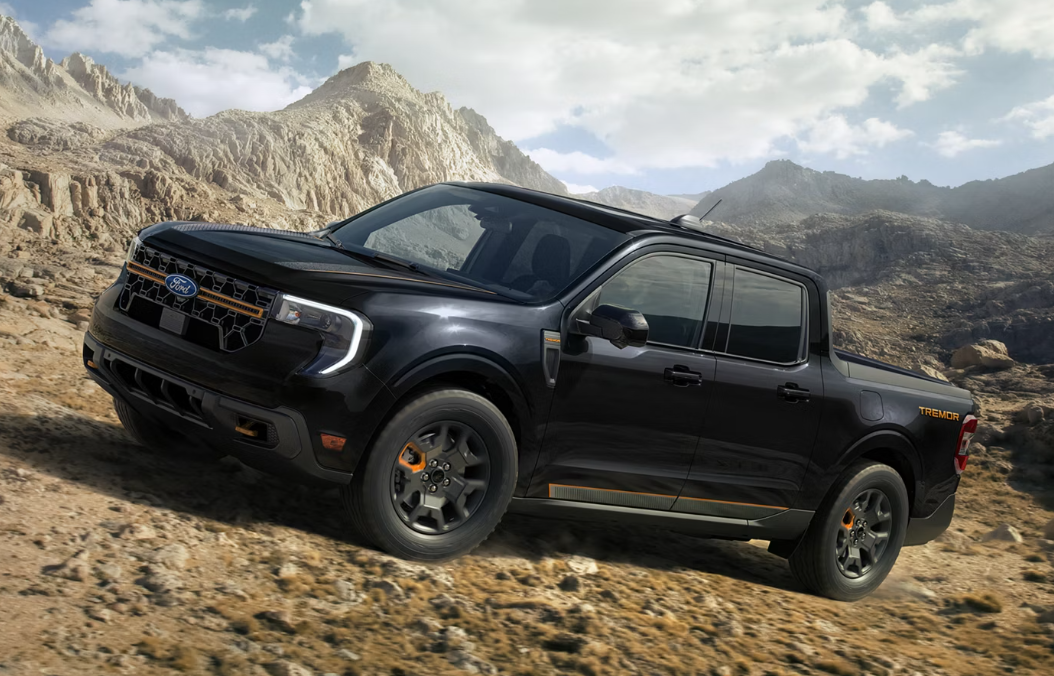
Black 2026 Ford Maverick Tremor

2026 Ford Maverick Tremor vs. Toyota Tacoma TRD Off-Road: Small Truck Comparison

Two compact trucks are making a serious case for buyers who want real off-road capability without the bulk of a full-size pickup: the 2026 Ford Maverick Tremor and the 2026 Toyota Tacoma TRD Off-Road. Whether your week looks like a Brewster, NY commute followed by a Saturday trail run, or hauling gear to a trailhead in Northern Westchester County, the right truck depends on how you actually use it. We've put both side by side so you can make that call with confidence. If you're already leaning toward the Maverick Tremor, browse our new Ford Maverick inventory in Brewster or schedule a test drive to see it in person. The Maverick Tremor is Ford's answer to drivers who want trail-ready hardware without giving up fuel efficiency or urban agility. The Tacoma TRD Off-Road goes the other direction, leaning hard into raw capability, traditional truck toughness, and a powertrain built for sustained heavy use. The choice isn't obvious, and that's exactly why this comparison is worth your time. Size, Maneuverability, and Everyday Practicality Size matters more in a compact truck than most buyers expect, at least until they're trying to parallel park on a busy street or squeeze into a residential garage. The Maverick and Tacoma sit in the same general category, but they don't occupy the same space, literally or philosophically. Footprint and Daily Drivability Around Brewster The Maverick's smaller overall footprint gives it a real edge in places like Brewster, NY and Northern Westchester County, where Route 22 traffic, tight village lots, and older residential streets can make a larger truck feel like a liability. With a 40.0 ft. turning circle and an overall width of 83.5 in. with mirrors, lane changes and parking feel natural rather than stressful. The Tacoma TRD Off-Road carries a 42.2 ft. turning circle and a noticeably wider, longer stance. That added bulk delivers a roomier cabin and a more commanding road presence, but in tight urban spaces, you'll feel every extra inch. If your week is split between commuting and weekend adventures, the size difference has real daily consequences. Bed Design and Cargo Versatility The Maverick's 4.5 ft. bed is built around the FLEXBED system, with integrated tie-downs and flexible cargo management that suits buyers hauling gear, groceries, and weekend equipment. The Tacoma's 5.0 ft. or 6.0 ft. bed handles heavier, bulkier loads with less fuss and pairs naturally with overlanding setups and work-oriented accessories. For buyers whose truck regularly doubles as a work vehicle, the Tacoma's bed capacity gives it the edge. Powertrain Matchup: EcoBoost Turbo vs. i-FORCE Turbo Both trucks run turbocharged four-cylinder engines, but their outputs and personalities reflect genuinely different priorities. The Maverick Tremor's EcoBoost Engine Ford equipped the Maverick Tremor with a 2.0L EcoBoost turbocharged inline-4 producing 250 hp and 277 lb-ft of torque, paired with an 8-speed automatic and Advanced 4WD standard. It delivers smooth, responsive power for daily driving, light hauling, and moderate trail use. The EcoBoost returns 21 city / 27 hwy MPG, which makes a meaningful difference for drivers covering significant daily mileage in the greater Brewster area. The Tacoma TRD Off-Road's i-FORCE Engine The Tacoma TRD Off-Road runs a 2.4L turbocharged inline-4 i-FORCE engine rated at 278 hp and 317 lb-ft of torque, also paired with an 8-speed automatic. That additional torque shows up most clearly when towing near maximum capacity or climbing steep, technical terrain. The tradeoff is efficiency: the i-FORCE returns 19 city / 23 hwy / 21 combined MPG. Worth noting, the i-FORCE MAX hybrid is available on select Tacoma trims, but this comparison focuses on the standard i-FORCE engine in the TRD Off-Road. Specification 2026 Ford Maverick Tremor 2026 Toyota Tacoma TRD Off-Road Engine 2.0L EcoBoost Turbo 2.4L i-FORCE Turbo Horsepower / Torque 250 hp / 277 lb-ft 278 hp / 317 lb-ft Max Towing 4,000 lbs. (w/ 4K Tow Package) 6,300 lbs. Fuel Economy (City/Hwy) 21 city / 27 hwy MPG 18 city / 23 hwy MPG Ground Clearance 9.4 in. 10.0+ in. Turning Circle 40.0 ft. 42.2 ft. Off-Road Capability: Trail Hardware and Real-World Performance Both trucks carry legitimate off-road credentials, but they're aimed at different types of trail use. Suspension, Ground Clearance, and Underbody Protection The Tacoma TRD Off-Road brings monotube Bilstein piggyback reservoir shocks, 10.0+ in. of ground clearance, and underbody protection designed for demanding conditions. Its suspension absorbs rough trails and rocky sections confidently, and that extra clearance provides a meaningful margin over obstacles that would stop a lower-riding vehicle cold. The Maverick Tremor raises the bar significantly over the base Maverick with off-road-tuned suspension, 9.4 in. of ground clearance, skid plates, and 235/65R17 all-terrain tires. It handles light trails, gravel, and moderate off-road conditions without complaint. For rock crawling or technical backcountry routes, the Tacoma's purpose-built hardware holds a clear advantage. For mixed-surface driving and recreational trails, the Tremor is more than capable. 4WD Systems, Locking Differentials, and Traction Control Ford equipped the Maverick Tremor with Advanced 4WD standard, an electronically locking rear differential, and terrain management modes. It's a confident traction system for the moderate off-road situations most compact truck buyers actually encounter. The Tacoma TRD Off-Road pairs part-time 4WD with its own electronically locking rear differential, Multi-Terrain Select, and Crawl Control, making it better suited for extreme, low-speed technical conditions where fine-grained traction control makes a measurable difference. Towing, Payload, and Fuel Economy: The Numbers That Matter Day to Day The Tacoma TRD Off-Road rates for 6,300 lbs. of max towing, a clear advantage for buyers who regularly haul trailers, boats, or equipment. The Maverick Tremor reaches 4,000 lbs. with the optional 4K Tow Package, suitable for lighter recreational hauling, small campers, and weekend gear trailers. Where the Maverick Tremor earns ground back is efficiency. Its 23 combined MPG versus the Tacoma's 21 combined MPG may look minor on paper, but for a driver covering 15,000 miles per year with an 18.5-gallon tank, that 2 MPG advantage adds up to roughly two to three fewer fill-ups annually. Over several years of daily commuting around Northern Westchester County, the cumulative fuel savings are a legitimate factor in total ownership cost. Neither truck dominates across every metric. It comes down to which numbers matter most to your lifestyle. Interior Comfort, Technology, and Everyday Livability Inside the cabin, both trucks are genuinely livable, but their priorities diverge. Ford equipped the Maverick Tremor with SYNC 4 infotainment, Ford Co-Pilot360 Assist 2.0, and a 1,500W power outlet standard, creating a cabin that feels just as natural on a work commute as it does heading out on a Saturday morning. The layout is clean and refined rather than purely utilitarian. The Tacoma TRD Off-Road's interior is built for durability and outdoor use. Materials handle abuse well, passenger room is a genuine advantage over the more compact Maverick, and Toyota Safety Sense 3.0 provides a competitive active safety suite. The Tacoma's cabin tilts toward ruggedness over refinement. Both trucks work well as daily drivers; the Maverick simply feels more at home in a suburban commute context. 2026 Ford Maverick Tremor vs. Toyota Tacoma TRD Off-Road: Which Compact Truck Should You Buy? There's no universal answer, and honestly, that's good news. It means both trucks are excellent at what they're designed to do. Choose the Ford Maverick Tremor if you want a compact, efficient truck that handles daily commuting and weekend adventures without a fuel economy penalty. It's the right fit for Brewster-area drivers who need a manageable footprint, modern technology, and solid off-road capability for light-to-moderate trails. The EcoBoost engine delivers genuine long-term efficiency, and the Maverick's urban agility is hard to overstate for anyone navigating Northern Westchester County roads regularly. Choose the Toyota Tacoma TRD Off-Road if towing capacity, raw off-road performance, and serious trail hardware are non-negotiable. The i-FORCE engine, Bilstein suspension, and dedicated crawl and terrain systems make it the stronger truck for buyers who regularly push into challenging backcountry or haul heavy loads. You'll spend more at the pump, but you'll gain capability the Maverick simply can't match at the extremes. Still working through the decision? Think about where your truck actually spends most of its time. The answer usually points you in the right direction. You can explore all new Ford trucks at Brewster Ford to compare current inventory and trim options before you decide. See the 2026 Ford Maverick Tremor at Brewster Ford For Brewster-area drivers who want a trail-ready truck that fits everyday life, the Maverick Tremor is a genuinely strong choice, and we'd love to show you why in person. Browse our new inventory to see what's currently available Schedule a test drive and experience the Tremor on local roads Contact our team with questions about trim levels, packages, or availability We're located at 1024 Route 22, Brewster, NY 10509, and our sales team is ready to walk you through everything the 2026 Maverick Tremor has to offer.

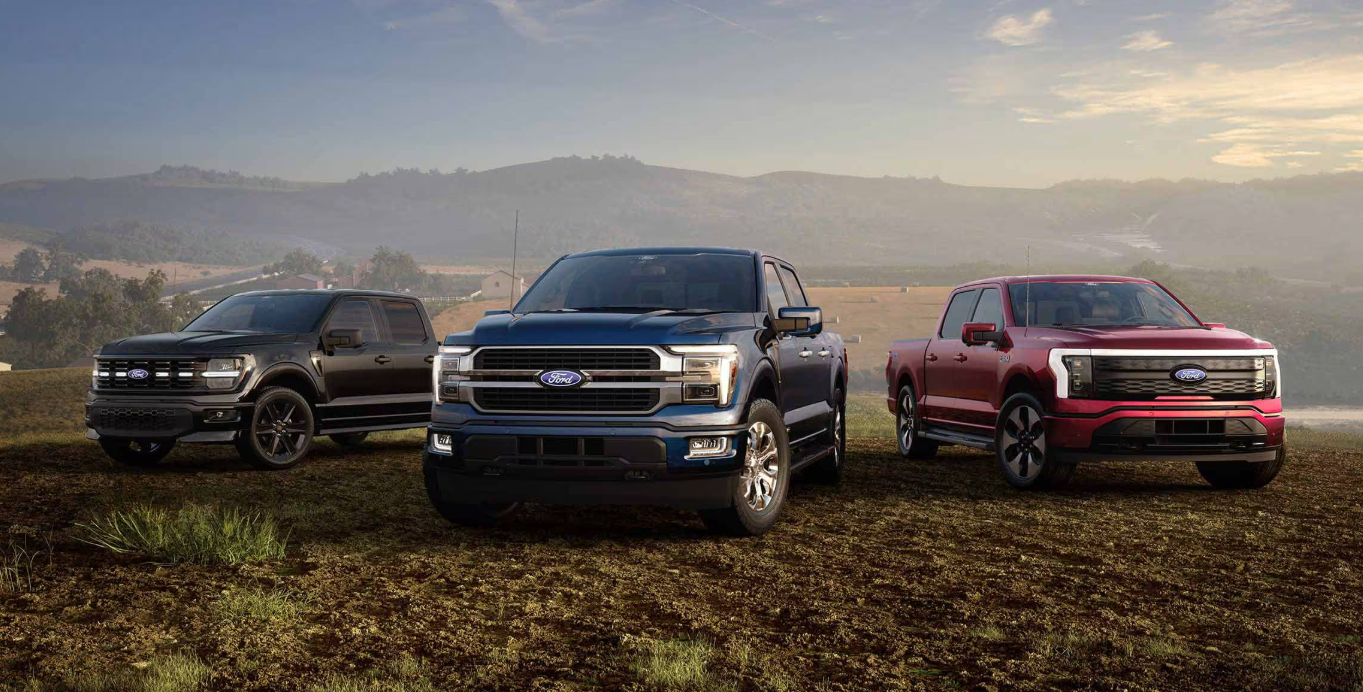
Three Ford F-150s parked in grass

The Evolution of the Ford F-150: From Classic Pickup to Modern Tech Truck

The Ford F-150 has been America's best-selling truck for 48 consecutive years, and that record isn't an accident. What started as a no-frills work truck built for farmers, contractors, and laborers has become a genuine showcase for automotive engineering and a reflection of how American priorities have shifted over the decades. If you're weighing a truck purchase right now, understanding how the F-150 got here makes it a lot easier to appreciate what you're actually getting. Browse our new Ford F-150 models in Brewster to see how far this truck has come. The F-150's evolution didn't happen overnight. It came through deliberate decisions, bold engineering choices, and a genuine read on what drivers actually need. That history tells you a lot about the truck itself. New Ford Trucks For Sale New Ford F-150 For Sale Call Us Today The Early Years: Built for Labor, Designed for Durability (1948–1974) Ford's truck history stretches back to 1917, but the version most drivers recognize starts in the postwar era, when America's booming economy created a surge in demand for practical work vehicles. The F-1 Lays the Foundation The modern F-Series lineage kicked off in 1948 with the F-1. These early trucks weren't trying to impress anyone. The engineering was straightforward: a sturdy frame, a reliable inline-six engine, and a cab designed entirely around function. Simple durability was the goal, and it resonated with buyers who needed something they could count on every single day. The F-Series became a family of trucks rather than a single model, offering different payload ratings and configurations for different working needs. That flexibility was baked into Ford truck DNA from the very beginning. A meaningful step came in 1954 with the transition from a flathead V-8 to an OHV V-8, delivering noticeably improved power and efficiency for drivers who pushed their trucks hard. Twin I-Beam Suspension Changes the Ride By the fifth generation (1967–1972), Ford had introduced Twin I-Beam independent front suspension. Drivers who'd dealt with punishing rides on job sites and rural roads suddenly had a truck that could absorb the abuse without transmitting all of it through the steering wheel. Handling improved and daily driving became meaningfully more comfortable, without sacrificing toughness. The sixth generation (1973–1979) brought crew cab expansion, making the F-Series practical enough to haul a full crew to a job site and a family on weekends. That blend of utility and versatility would define the F-150 for decades to come. The F-150 Name Is Born and the Modern Pickup Takes Shape (1975–1996) By the mid-1970s, federal regulations were tightening, and Ford's response produced one of the most pivotal moments in the truck's history. Why Ford Created the F-150 The F-150 name arrived in 1975, positioned strategically between the lighter F-100 and the heavy-duty F-250. Emissions regulations at the time applied more stringently to heavier trucks, so the new F-150 hit a sweet spot: serious capability while retaining light-truck GVWR status. Buyers got more hauling ability without the regulatory headaches that came with heavier commercial models. The F-100 was discontinued entirely by the early 1980s, and the F-150 became the foundation of the entire lineup. The Style Shift of the 1980s The eighth-generation redesign in 1987 swapped the squared-off silhouette of earlier trucks for smoother, more aerodynamic lines. The windshield raked more aggressively, panels curved instead of cutting at sharp angles, and the result was a truck that performed better aerodynamically and pulled in a broader audience. Style had entered the conversation. It never left. Performance Redefined: EcoBoost, Aluminum, and the Tech Revolution (1997–Present) The late 1990s through today represent the most dramatic chapter in the F-150's story. Ford didn't just refine the truck during this era. It fundamentally reimagined what a pickup could be. Power Upgrades Through the 2000s The tenth generation (1997–2004) introduced the 4.6L Triton V8, alongside a 5.4L Triton V8. The eleventh generation (2004–2008) pushed further with the Triton 5.4L V8, and also debuted the FX4 off-road trim for buyers who needed real capability beyond pavement. Then came the twelfth generation (2009–2014), which introduced the Raptor with a 411-hp V8 and purpose-built off-road hardware. EcoBoost Proves Power and Efficiency Can Coexist In 2011, Ford introduced the EcoBoost twin-turbo V6, producing power comparable to a traditional V8 with better fuel efficiency through turbocharging and direct injection. Skeptics were loud. Real-world performance answered them. The EcoBoost could tow heavy loads and handle demanding terrain without the fuel consumption penalty of a larger engine. Current EcoBoost output reaches up to 450 hp, and the powertrain genuinely shifted the industry's thinking about turbocharged engines in trucks. The Aluminum Body Gamble The 2015 F-150 may be the single most debated redesign in pickup history. When Ford confirmed the thirteenth-generation model would use an aluminum alloy body instead of traditional steel, critics questioned durability and competitors ran ads mocking the decision. What followed told a very different story. The high-strength aluminum alloy stripped roughly 700 pounds from the truck's curb weight, improving fuel economy, sharpening handling, boosting payload capacity, and enabling a max towing rating of 13,200 lb. Real-world durability largely silenced the critics, and within a few years rival manufacturers were quietly exploring mixed-material construction for their own trucks. PowerBoost Hybrid, Pro Power Onboard, and the Connected Cab The 2021 model introduced the PowerBoost hybrid powertrain, pairing a turbocharged V6 with an electric motor and a 12.4 kWh battery to deliver 430 hp and an estimated 690-mile combined range. Max towing in the fourteenth generation reaches 14,000 lb. Alongside the hybrid came Pro Power Onboard, a built-in generator providing up to 7.2 kW of exportable power. For contractors on remote job sites or homeowners managing outages, it turns the F-150 into a rolling power station. Current models are also connected in ways that would have seemed improbable ten years ago. SYNC 4 with 12-inch screens, BlueCruise hands-free driving, 360-degree cameras, and over-the-air software updates keep the truck current without requiring a dealership visit. The Raptor R pushes things even further with a 5.2L V8 producing 720 hp. Through all of it, the F-150 hasn't lost any of the rugged practicality that built its reputation. F-150 Generation Comparison Generation & Years Notable Engine Option Key Structural Change Cab/Bed Innovation Standout Tech Feature 1st–2nd (1948–1956) OHV V-8 (intro 1954) F-Series platform established Multiple payload configs Improved drivetrain efficiency 5th–6th (1967–1979) Available V8 options Twin I-Beam front suspension Crew cab expansion Independent front suspension 7th–8th (1980–1991) Available inline-six and V8 Aerodynamic body redesign F-150 becomes lineup anchor Fuel injection available 10th–11th (1997–2008) Triton 5.4L V8 Modular V8 platform FX4 off-road trim debut Electronic fuel injection 12th–13th (2009–2020) EcoBoost twin-turbo V6 (365 hp) Aluminum alloy body (2015+) Raptor off-road variant EcoBoost turbocharging 14th (2021–present) PowerBoost hybrid (430 hp) 14,000 lb max towing Pro Power Onboard (7.2 kW) BlueCruise, SYNC 4 What the F-150's Evolution Means for Today's Drivers Tracing the F-150's development from the 1948 F-1 to today reveals something consistent: every significant change addressed a real problem or a genuine need. Twin I-Beam suspension came when drivers demanded more comfort. The F-150 nameplate emerged from regulatory pressure and demand for better efficiency. EcoBoost answered the call for power without the fuel penalty. The aluminum body tackled persistent weight challenges. The PowerBoost hybrid and connected features respond to a generation of drivers who expect their truck to work as both a capable tool and a technology-forward vehicle. For buyers today, this history translates to over 75 years of iterative improvement built into every trim level on the lot. Take a look at the full range of new Ford trucks at Brewster Ford to see how that legacy translates into real options right now. Why Brewster, NY Drivers Are Choosing the Modern F-150 Northern Westchester County is the kind of driving environment that genuinely tests a truck. Hilly terrain, salty winters, a mix of suburban roads and rural routes, and the demands of both professional tradespeople and weekend adventurers all factor into what local drivers actually need. Contractors and builders in the area rely on the F-150's towing and payload capabilities to move materials and equipment efficiently. Families choose it for spacious crew cab interiors and advanced safety technology. Drivers who regularly deal with snow and rough back roads appreciate the confidence that comes with 4x4 capability, while the FX4 package handles serious off-road demands. The wide range of trim levels and powertrains means Brewster buyers can configure an F-150 that fits their specific situation without settling for something close. The truck's reputation here isn't built on advertising. It's built on decades of neighbors, coworkers, and family members arriving at the same conclusion: the F-150 delivers. Explore the Latest F-150 Models at Brewster Ford We carry a full selection of current F-150 models, from work-ready base trims to fully loaded Platinum and Limited configurations. Our team walks buyers through the differences between model years, engine options, and trim packages so you can make a confident, informed decision. On-site financing is available, and our factory-trained technicians handle everything from routine maintenance to warranty work. Brewster Ford is located at 1024 Route 22 in Brewster, NY 10509. Reach us at 845-205-7019, with showroom hours Monday through Thursday from 9 AM to 7 PM and Friday through Saturday from 9 AM to 6 PM. Ready to get behind the wheel? Schedule a test drive and experience the current F-150 for yourself.

Red 2026 Ford Explorer ST-Line

2026 Ford Explorer vs. Honda Pilot: Family SUV Comparison

Picking a family SUV is a bigger deal than it might seem at first. You're not just choosing a vehicle; you're choosing where your kids sit on road trips, how much camping gear fits in the back, and whether you feel confident on an icy Putnam County morning in January. Both the 2026 Ford Explorer and Honda Pilot have a real case to make, and both deserve a serious look. This comparison works through the key categories honestly. Performance, interior space, technology, safety, and value all get their due so you can walk away knowing which SUV actually fits your life. If you're already leaning toward the Explorer, you can schedule a test drive at Brewster Ford and see it for yourself. Power, Performance, and Handling in the Northeast Living in the Northeast means your SUV has to handle more than smooth highway miles. Wet leaves in October, icy back roads in January, stop-and-go traffic on Route 22 through Brewster on a Friday afternoon. Performance isn't just a spec sheet number; it's how a vehicle actually responds when conditions get real. 2026 Ford Explorer: Multiple Powertrains, Accessible Torque The 2026 Explorer gives families a genuine choice in how they power their daily driving. The base engine is a 2.3L turbocharged 4-cylinder producing 300 hp and 310 lb-ft of torque, which offers confident pull whether you're merging onto I-84 or hauling a loaded trailer toward the Catskills. The ST trim steps things up considerably with a 3.0L twin-turbo V6 delivering 385 hp. Fuel economy in the RWD configuration comes in at 20 city / 29 highway mpg, and towing capacity reaches up to 5,000 lbs across trims. That combination of powertrain variety and efficiency is genuinely hard to match in this segment. 2026 Honda Pilot: Smooth and Steady, But a Single Option The Pilot runs a 3.5L naturally aspirated V6 producing 285 hp and 262 lb-ft of torque. That's it across every single trim. Day-to-day driving is comfortable and refined, and the Pilot matches the Explorer's 5,000 lb towing rating when properly equipped with AWD. Fuel economy is 19 city / 27 highway mpg in FWD configuration. It's a calm, composed ride, but families who want powertrain variety or any performance headroom won't find it here. The Explorer's turbo advantage is worth noting too: more torque at lower RPMs makes a real difference in the kind of everyday driving most of us actually do. Side-by-Side Specs Feature/Spec 2026 Ford Explorer (Base) 2026 Ford Explorer (ST) 2026 Honda Pilot (Base) Engine 2.3L turbocharged 4-cyl 3.0L twin-turbo V6 3.5L V6 Horsepower 300 hp 385 hp 285 hp Torque 310 lb-ft 415 lb-ft 262 lb-ft Towing Capacity Up to 5,000 lbs Up to 5,000 lbs Up to 5,000 lbs Fuel Economy (FWD/RWD) 20 city / 29 hwy (RWD) — 19 city / 27 hwy (FWD) Max Cargo Volume Up to 85.8 cu ft Up to 85.8 cu ft Up to 113.7 cu ft Interior Space, Third-Row Reality, and Cargo Versatility Both SUVs are built with families in mind, so this is where the comparison gets particularly practical. The numbers are close in several areas, but how the space actually works in daily life tells a more nuanced story. Passenger Comfort and Third-Row Usability Front and second-row comfort is strong in both vehicles. The third row, though, is where families need to be honest with themselves. The Pilot seats up to 8 passengers, and its third row is more accommodating for adults than the Explorer's, which tops out at 7. If you regularly need to seat six or seven full-size passengers and can't count on everyone fitting in the first two rows, the Pilot's rear-seat usability is a genuine advantage. The Explorer's third row is better suited for kids or occasional adult use. That distinction matters for the right family, so it's worth saying plainly. Cargo Room: Volume vs. Flexibility The Pilot leads on maximum cargo volume at up to 113.7 cu ft with all seats folded, compared to the Explorer's 85.8 cu ft. Behind the third row, the gap continues: 18.6 to 22.4 cu ft in the Pilot versus 16.3 cu ft in the Explorer. If raw cargo volume is your top priority, the Pilot wins that column. The Explorer's cabin layout, on the other hand, offers flexible storage configurations that work well when you're packing around passengers rather than removing them. Which advantage matters more comes down entirely to how your family actually uses the vehicle. Technology, Infotainment, and Connected Features This is a category where the Explorer pulls noticeably ahead. It comes standard with a 13.2-inch touchscreen with wireless Apple CarPlay and Android Auto. The Pilot's standard display measures 12.3 inches and also includes wireless CarPlay and Android Auto, so the connectivity basics are matched. The Explorer's larger screen and deeper feature integration give it a clearer edge for tech-forward families, though. Higher Explorer trims add BlueCruise, Ford's hands-free highway driving system. It's genuinely useful on longer I-87 commutes into the city, and the Pilot has no equivalent hands-free highway driving system available at any trim level. The Explorer also offers available 360-degree cameras, a panoramic roof, and massaging seats. On Honda's side, the Pilot adds the CabinTalk intercom system, which lets the driver communicate with rear passengers without shouting. It's a small but practical touch for larger families. Overall, the Explorer's tech suite is broader and more forward-looking. You're welcome to schedule a test drive at Brewster Ford and experience these features firsthand. Safety Ratings and Driver-Assistance Systems Both SUVs come with a solid standard safety foundation. The Explorer includes Ford Co-Pilot360, covering automatic emergency braking, blind-spot monitoring, adaptive cruise control, and pedestrian detection. The Pilot includes Honda Sensing, providing automatic emergency braking, adaptive cruise, and lane-keeping assist. Both are comprehensive packages for the segment. The 2026 Ford Explorer and 2026 Honda Pilot both carry NHTSA 5-star overall safety ratings and IIHS Top Safety Pick awards. The Explorer earned its Top Safety Pick under IIHS's more stringent 2026 criteria, continuing a six-consecutive-year streak of IIHS recognition. For families who want a three-row SUV backed by a proven, up-to-date safety record, the Explorer delivers. Trim Levels and Pricing: Where Your Money Goes The Explorer enters at a lower starting point than the Pilot, giving families access to the midsize SUV segment with strong standard content without stretching the budget right out of the gate. Moving up through the trims, both vehicles add worthwhile comfort and technology upgrades. The Explorer tends to deliver more equipment per dollar, particularly in the mid-range trims where most family buyers end up. The ST trim's 385 hp twin-turbo V6 is also a legitimate performance option with no Pilot equivalent. If you want to dig into specific configurations, our team can walk you through the current Explorer inventory in Brewster and pricing in person. Ford Explorer vs. Honda Pilot: Which SUV Fits Your Family? An honest assessment means saying this clearly: both vehicles are genuinely good. The right call depends on your priorities. Choose the Explorer If… You want multiple powertrain choices, from an efficient daily driver to the high-output ST. You do longer highway stretches, like commuting into NYC via I-87, and want BlueCruise hands-free driving assist. You need 4WD capability for Northeast winters or want the Tremor off-road trim for occasional trail use. You prioritize a larger 13.2-inch touchscreen and a more comprehensive tech suite at a lower entry price. Choose the Pilot If… You regularly need to seat 8 passengers, particularly with adults in the third row. Maximum cargo volume is your top priority and 113.7 cu ft matters more than powertrain variety. Simplicity and a single proven powertrain top your list over multiple engine options. See the 2026 Ford Explorer at Brewster Ford Why Brewster Ford If the Explorer sounds like the right fit, the next step is straightforward. Brewster Ford at 1024 Route 22 in Brewster, NY is a dedicated Ford store with a team that knows these vehicles thoroughly. That focus means every person you talk to has genuine depth on Explorer trims, options, and how each configuration performs in this region. You can also browse new Ford SUVs at Brewster Ford to see the full lineup alongside the Explorer. Financing and Service On-site financing helps you find competitive rates and flexible terms, whether you're buying or leasing. Factory-trained technicians handle service and warranty work, and the expanded certified pre-owned inventory across the Volz Auto Group gives you more choices if you're open to a pre-owned Explorer. Get in Touch Driving the Explorer on roads you know makes the decision a lot clearer than any comparison article can. Contact Brewster Ford to schedule your test drive or ask about trim configurations and availability. Our sales team is available Monday through Thursday, 9 AM to 7 PM, and Friday and Saturday, 9 AM to 6 PM. We're here to help you find the right vehicle for your family, not just close a sale.

Blue 2026 Ford Mustang Dark Horse

2026 Ford Mustang Dark Horse: Track-Ready Performance Features (2026 News)

The Ford Mustang has always carried serious performance credentials, but the Dark Horse variant takes that legacy somewhere genuinely different. This isn't just a trim level with a few extra badges and blacked-out accents. The 2026 Ford Mustang Dark Horse is a purpose-built performance machine where track capability is the primary goal, not an afterthought. Whether you're a seasoned enthusiast who spends weekends at the circuit or someone who simply wants the most focused driving machine Mustang currently offers, view our new vehicle inventory and see what's available. What Sets the 2026 Ford Mustang Dark Horse Apart From the Pack The Dark Horse name carries real meaning here. Ford didn't create it to fill a lineup gap. Sitting above the standard GT, the 2026 Ford Mustang Dark Horse is a track-focused model with unique engineering, aerodynamic refinements, and technology that separates it from every other Mustang on the market. It combines aggressive visual intent with genuine mechanical substance, which makes it compelling both on paper and behind the wheel. What defines this car isn't any single feature. It's the way everything works together. The chassis, engine, braking system, suspension, and aerodynamics are all tuned around one goal: precise, confident, high-performance driving. Put simply, it's the closest thing to a factory race car that Ford sells with street plates. The Heart of the Beast: Dark Horse V8 Power and Performance Performance cars live or die by their powertrains, and the Dark Horse delivers one of the most sonically and mechanically compelling engines in its class. The V8 under the hood isn't just about raw numbers. It's about character, throttle response, and an engine note that makes every hard pull feel like an event. Flat-Plane Crank V8: Horsepower, Torque, and High-Rev Character Ford engineers built the Dark Horse around a naturally aspirated Gen-4 5.0L Coyote V8 with a flat-plane crankshaft, the same design philosophy found in exotic European sports cars and dedicated race machinery. Unlike the cross-plane crank common to most V8s, the flat-plane configuration lets the engine rev more freely and respond to throttle inputs with sharper immediacy. This is a key reason the Dark Horse produces 500 horsepower and 418 lb-ft of torque. The flat-plane crank reduces rotating mass, so the engine winds up faster and more eagerly. Pair that with specialized intake and exhaust tuning and you get a high-revving character that feels fundamentally different from a conventional V8. The exhaust note is sharper and more exotic at high rpm. For many enthusiasts, that sound alone justifies the upgrade. How the Dark Horse Engine Differs From the Standard Mustang GT The standard Mustang GT uses a cross-plane 5.0L V8 making 480 horsepower (486 hp with the performance exhaust), which is genuinely impressive. But the Dark Horse at 500 horsepower isn't just a modest output bump. It represents a fundamentally different configuration with different tuning priorities. The GT engine is smooth, tractable, and excellent for daily use. The Dark Horse engine is calibrated around performance at high rpm, with a power delivery curve that builds more aggressively and peaks later in the rev range. For 2026, Ford made the 10-speed automatic transmission standard on the Dark Horse. Drivers who want full manual control can opt for the 6-speed manual, which delivers a 0-60 mph time of 4.1 seconds and features rev-matching capability that makes heel-toe downshifts intuitive even for drivers still developing the technique. Model Engine Horsepower Torque Key Suspension Feature Notable Track Feature Mustang GT 5.0L Coyote V8 480 hp (486 w/ exhaust) 415 lb-ft Standard dampers Performance Package available Mustang Dark Horse 5.0L Flat-Plane Crank V8 500 hp @ 7,250 rpm 418 lb-ft @ 4,900 rpm MagneRide adaptive damping (1,000 reads/sec) Brembo 6-piston brakes, TORSEN LSD, launch control Built for the Track: Chassis, Suspension, and Braking Upgrades A powerful engine means very little without a chassis that can translate that power into controlled speed. Ford spent serious engineering effort reinforcing the Dark Horse's structure and upgrading its dynamic components to match the engine's ambitions. The result is a car that feels planted, responsive, and predictable when pushed hard. The Dark Horse receives additional chassis bracing and strut tower braces compared to the standard Mustang, along with reinforced shock towers. These structural reinforcements reduce flex during cornering, which directly improves steering feel and lap times. Less chassis twist means the suspension components work more consistently, and driver feedback through the wheel becomes more accurate. MagneRide Adaptive Damping and Handling Precision MagneRide adaptive damping is among the most sophisticated suspension systems available in any production car, and it comes standard on the Dark Horse. The technology uses magnetorheological fluid in the shock absorbers, which changes viscosity almost instantaneously in response to electrical signals from the vehicle's sensors. Ford engineers updated the MagneRide tuning for 2026 to improve the ride-handling balance. In practical terms, the suspension reads road inputs 1,000 times per second. On a smooth track it firms up to minimize body roll and maximize cornering grip. On a rough road it softens to absorb impacts without sacrificing composure. That adaptability makes the 2026 Ford Mustang Dark Horse feel at home in far more driving environments than any fixed-damper track car could manage. Complementing the suspension is a TORSEN limited-slip differential, which distributes torque between the rear wheels to maintain traction and stability through corners. Standard 19-inch Pirelli P Zero PZ4 tires wrap carbon-fiber wheels that reduce unsprung weight, with optional Trofeo RS tires available for drivers who want even more grip on track days. Brembo Brakes That Inspire Confidence Track driving puts enormous demands on brakes, far beyond anything typical street use requires. Ford addresses this with a Brembo six-piston front brake system featuring large-diameter rotors. Brembo supplies components to Formula 1 teams and supercar manufacturers worldwide, and the stopping power on the Dark Horse is confident and consistent even after repeated hard braking from high speeds. Fade resistance is significantly improved over standard brake systems, which matters a great deal when driving seriously on a circuit. Combined with the chassis reinforcements and the TORSEN LSD, these upgrades build a package where driver confidence grows rather than erodes the harder you push. Ready to feel this for yourself? Schedule a test drive with our team at Brewster Ford. Drive Modes and Performance Technology That Put You in Control The 2026 Dark Horse gives drivers meaningful control over how the car behaves through multiple drive modes, each adjusting a full suite of performance parameters simultaneously. Normal, Sport, Track, and Drag Strip modes are all available, along with a fully customizable mode selectable via the steering wheel paddles. In Track mode, throttle response sharpens noticeably, the MagneRide suspension firms up, stability control relaxes its intervention thresholds, and the transmission holds gears longer before upshifting. Drag Strip mode optimizes launch control and traction management for straight-line acceleration. The customization depth here is genuinely impressive. Experienced drivers can dial in precisely the level of assistance or freedom they want. The exhaust system also responds to mode selections, offering a quieter setting for early-morning driving and a more aggressive tone when it's time to perform. Dark Horse Aerodynamics and Design Features That Work as Hard as They Look The visual identity of the 2026 Ford Mustang Dark Horse is immediately striking. Blacked-out grille trim, a unique front splitter, and a rear spoiler differentiate it clearly from standard Mustang models. Hood vents complete a look that is purposeful rather than merely flashy. These aren't purely cosmetic choices, though. Each aerodynamic element serves a functional purpose tied directly to performance. The front splitter generates downforce at speed, increasing front-end grip during high-speed cornering. The rear spoiler reduces aerodynamic lift at the back of the car, helping maintain stability during fast straight-line driving. For 2026, Ford introduced minor aero refinements and enhanced performance exhaust options that build on an already strong foundation. Together, these components keep the Dark Horse planted at speeds where aerodynamic forces become significant. What's New for 2026: Key Updates Over the Previous Dark Horse For 2026, Ford continues refining what was already a compelling package. Confirmed updates include revised MagneRide tuning for a better ride-handling balance, enhanced performance exhaust options, minor aero refinements, and the 10-speed automatic now coming standard rather than as an option. The 6-speed manual remains available for drivers who prefer direct engagement. These aren't dramatic reinventions. They're thoughtful evolutions that smooth edges identified in earlier production versions. Ford got the fundamental formula right from the start, and the 2026 model reflects that confidence. Taking the 2026 Dark Horse Through the Hudson Valley: A Natural Fit for Enthusiasts We're based in Brewster, NY, right at the edge of some genuinely rewarding driving roads. The Hudson Valley and surrounding areas offer winding two-lane routes, elevation changes, and sweeping bends that showcase exactly what a car like the 2026 Ford Mustang Dark Horse was built for. Route 9D through the Hudson Highlands and the roads approaching Bear Mountain offer the kind of linked corners and variable surfaces that reveal everything the MagneRide suspension, Brembo brakes, and flat-plane V8 can do. These aren't track conditions, but they're demanding enough that a skilled driver will feel the difference between this car and a standard performance coupe almost immediately. The flat-plane V8 character shines on roads where momentum builds through connected corners, and the suspension's high-frequency adaptability becomes genuinely tangible on the surface changes common throughout northern Westchester County. Enthusiasts who already know these roads understand the kind of performance they're evaluating. Our new Ford Mustang inventory in Brewster gives local drivers a direct path to putting this car on the roads they know best. Experience the 2026 Ford Mustang Dark Horse at Brewster Ford Getting behind the wheel is the only way to fully appreciate what the engineering descriptions actually feel like in practice. Our team at Brewster Ford can walk you through the Dark Horse performance package in detail, explain the differences between available configurations, and arrange a test drive on roads you already know. Ford built something special with the 2026 Ford Mustang Dark Horse, and we're proud to offer it here in northern Westchester County. Come see us at 1024 Route 22, Brewster, NY 10509, or contact us online to ask about current availability and schedule your test drive today.

Gray 2026 Ford Explorer Tremor

Inside the 2026 Ford Explorer: Interior Tech, Comfort, and Safety Features

The 2026 Ford Explorer is built for people who want a three-row SUV that actually feels premium inside, not just from the curb. Whether you're hauling kids to practice, packing up for a weekend trip, or grinding through a long commute, the interior is designed to keep everyone comfortable and everything within reach. Feel free to schedule a test drive to see the cabin for yourself. Here's a closer look at what makes this interior worth your attention, from the front seats all the way back to row three. A Fresh Look Inside the 2026 Ford Explorer Step inside and the difference from earlier generations is hard to miss. The 2026 Ford Explorer interior goes for a cleaner, more upscale feel, with quality materials on most of the surfaces you actually touch. Active trim models get unique cloth upholstery, while higher trims move to leather with Miko inserts for something a bit more refined. The layout keeps intuitive controls front and center, cutting the clutter that made older infotainment setups feel like a chore. What stands out most is how well this interior balances style with practicality. Nothing about it feels like Ford traded function for looks. Families with different needs, varying amounts of gear, and unpredictable schedules can all find a version that fits. There's an intentionality to how each section of the cabin is laid out, and you notice it quickly. Seating Comfort Across All Three Rows The seating setup is one of the Explorer's defining qualities. Configured for up to seven passengers, it positions itself as a full-family hauler, though the experience does vary somewhat as you move toward the back. Front and Second-Row Comfort and Adjustability The front seats are genuinely good. Ford gives the Active trim a ten-way power driver's seat, while the front passenger seat is a four-way manual. An eight-way power passenger seat is available as an upgrade on select trims. Heated front seats are standard on Active and higher trims, and ventilated and massaging front seats are available on the Platinum trim. These aren't token features tacked on to justify a price bump. On longer commutes and road trips, they make a real difference once fatigue sets in. A heated steering wheel is also available on select trims. With 43 inches of first-row legroom on Active trims and 40.7 inches of front headroom, the driver's space is genuinely generous. Remote start and tri-zone automatic climate control mean you can set things up before you even climb in. Active Noise Cancellation paired with acoustic-laminate front side glass keeps road noise where it belongs, outside. The second row holds up well, too. Standard captain's chairs come with E-Z Entry and armrests, making it easy for passengers to slide in and out. An optional 35/30/35-split bench is available if you need true seven-seat capacity. Second-row riders get 37.5 inches of legroom and 40.5 inches of headroom on Active trims, which is enough for adults to sit comfortably rather than feel folded up. Heated second-row seats and rear ventilation ducts with fan control are available on select trims, so the back-seat experience isn't an afterthought. The Third Row: Honest Take on Who It Works For Here's the straightforward answer: the third row works well for some situations and less well for others. Ford gives you 31.8 inches of legroom and 38.9 inches of headroom back there. The bench is a 50/50 split-fold, manually operated. For shorter trips and younger passengers, it's genuinely comfortable. For adults on a two-hour drive, it's functional but snug. Third-row cupholders are a nice touch that helps on longer hauls. That said, we'd encourage you to come in and sit back there yourself before deciding whether it works for your family. Total passenger volume across all three rows comes in at 150.3 cubic feet, which gives you a real sense of how much interior space Ford packed into this footprint. Passenger Space and Cargo Flexibility Cargo Space: From School Run to Road Trip Cargo capacity is where the Explorer really shows its range. Behind the third row, you get 16.3 cubic feet, plenty for everyday bags and a stroller. Fold the third row and that jumps to 46 cubic feet. Fold everything flat and you're working with 85.8 cubic feet. The floor stays relatively flat when the seats are down, so loading and organizing gear is straightforward rather than a puzzle. For families with unpredictable schedules, that flexibility matters. Ford also offers some practical optional accessories: a Cargo Area Management System ($255), a large Cargo Organizer ($125), and All-Weather Floor Liners ($120-$200). None of them are required, but they're worth considering if your household spends time outdoors or deals with New York winters on a regular basis. Fuel tank capacity runs 18.6 gallons with the 2.3L EcoBoost and 20.2 gallons with the 3.0L EcoBoost V6, giving the Explorer solid range on longer road trips without constant stops. Infotainment and Connectivity: The 13.2-Inch Touchscreen Experience The centerpiece of the tech experience is a 13.2-inch landscape touchscreen running the Ford Digital Experience, standard across all trims. It's large enough to use comfortably, positioned so it doesn't feel like someone bolted a tablet to the dashboard. Paired with a 12.3-inch digital instrument cluster, the overall cockpit feel is modern without being distracting. Wireless CarPlay, Android Auto, and Connectivity Details Wireless Apple CarPlay and Android Auto are both standard, so connecting your phone takes no cables and no hunting. Navigation, music, calls, and messaging all mirror cleanly. The standard audio setup covers AM/FM with MP3 compatibility, and SiriusXM with 360L is available if you want more content variety. USB connectivity is distributed across all three rows. The Active trim includes four USB ports in the first row, two in the second row, and two in the third row, for eight total ports across the cabin. A panoramic fixed glass roof with power shade is available on select trims if you want more natural light in the cabin. If you're comparing the Explorer against other three-row options, it's also worth browsing our full Ford SUV lineup to see where it fits in the broader range. Driver-Assist and Safety Technology Built for Everyday Driving Ford equipped the 2026 Explorer with a solid set of driver-assist features built to perform in real driving conditions, not just look good on a spec sheet. Standard features include a rear-view camera, rear parking sensors, adaptive cruise control, keyless ignition, and electric power steering with tilt and telescopic adjustment. Integrated audio and cruise controls on the steering wheel round out the standard setup. BlueCruise Hands-Free Highway Driving For commuters and road-trippers, the available BlueCruise hands-free highway driving system deserves a close look. It lets drivers take their hands off the wheel on pre-mapped divided highways, which is a genuine quality-of-life upgrade on stretches like I-684 between Brewster, NY and New York City. BlueCruise is available on select trims, with the Platinum and ST trims coming equipped with a 1-year plus 90-day plan, and the ST-Line and Tremor trims offering it as an option. For northern Westchester commuters logging meaningful highway miles every week, it's a practical feature rather than a novelty. These driver-assist systems are designed to run quietly in the background. They're not intrusive, but they're there when you need them. That's the right balance for daily family driving. Comfort Details That Make a Difference on Long Drives A lot of what makes the 2026 Explorer genuinely comfortable doesn't show up prominently in spec sheets. Tri-zone automatic climate control lets the driver, front passenger, and rear passengers each set their own preferred temperature, which takes care of one of the most common in-cabin arguments on family trips. Rear ventilation ducts with fan control extend that comfort back to second and third-row passengers. Storage is distributed well throughout the cabin: front and rear door pockets, an overhead console, front seatback storage, and cupholders in all three rows mean everyone has somewhere to put their things. These are the details that reflect a vehicle designed for extended use, not just short errands around town. Explore the 2026 Ford Explorer at Brewster Ford If you're comparing the 2026 Explorer against other three-row SUVs, the most useful thing you can do is sit in one. We're happy to walk you through available trims and configurations and answer whatever questions you have, whether that's about third-row dimensions, the BlueCruise setup, or which cargo accessories make sense for your household. Visit Us or Reach Out You can view Explorer models in stock on our website right now, or book a test drive at a time that works for you. Prefer to talk through options first? Reach our team through our contact page. We're at 1024 Route 22, Brewster, NY 10509. Sales is available Monday through Thursday from 9 AM to 7 PM and Friday through Saturday from 9 AM to 6 PM. We'd love to help you find the right Explorer for your family.

2026 Ford F-250 parked on worksite

2026 Ford Super Duty Trucks: Heavy-Duty Powertrain & Towing Breakdown

Picking the right heavy-duty truck comes down to understanding what's under the hood and how that translates to real pulling power. The 2026 Ford Super Duty lineup gives you that clarity with three distinct engine options and configurations built to match your trailer to your truck bed. Whether you're hauling construction equipment during the week or a fifth-wheel camper on weekends, getting your Super Duty towing figured out starts with knowing your numbers and ends with confidence on the road. 2026 Ford Super Duty Towing Capabilities Overview Ford Super Duty towing capacity swings dramatically between the F-250, F-350, and F-450 models, giving you room to right-size your investment. These trucks pack advanced towing tech that goes beyond raw numbers. Integrated trailer sway control, adaptive cruise with trailer brake integration, and Pro Trailer Backup Assist make managing heavy loads feel intuitive instead of nerve-wracking. Smart features team up with robust frames and suspension systems tuned specifically for load management. The 2026 Ford Super Duty towing capabilities excel in commercial settings and personal use alike. Contractors working northern Westchester County job sites love the consistent performance, while recreational towers appreciate the stability during long highway hauls. Each model tier bumps up payload limits and towing thresholds, so you can find a configuration that handles your heaviest anticipated load. Ready to experience this capability firsthand? Schedule a test drive at our Brewster showroom to feel the difference these powertrains make under real towing conditions. Engine Options: The Heart of Super Duty Towing Performance Your engine choice shapes how your Super Duty handles weight. According to Ford Motor Company specifications, all Super Duty engines pair with a 10-speed TorqShift automatic transmission. Gas engines use the TorqShift-G variant, while diesel engines use the TorqShift variant, both engineered to smooth out power delivery across the full range of Super Duty applications. These advanced transmission systems smooth out power delivery, especially crucial when merging onto highways with thousands of pounds trailing behind. Here's how the 2026 Super Duty engine lineup breaks down: Engine Horsepower Torque Best Use Case 6.8L V8 Gas 405 hp 445 lb-ft Entry-level reliability, moderate towing 7.3L V8 Gas 430 hp 485 lb-ft Best-in-class gas power, equipment trailers 6.7L Power Stroke Diesel 475 hp 1,050 lb-ft Sustained heavy loads, daily towing 6.7L High-Output Diesel 500 hp 1,200 lb-ft Maximum capability, commercial use Getting familiar with Ford Super Duty engine options helps you balance upfront costs against operating expenses over the truck's lifetime. Gas engines typically cost less initially and keep maintenance straightforward, while diesel powerplants deliver superior torque and fuel efficiency under sustained heavy loads. 6.8L V8 Gas Engine: Capable Standard Power The 6.8L V8 gas engine works for drivers who need dependable towing without diesel complexity. This engine handles daily work truck duties and moderate towing tasks with straightforward reliability. You'll find it suits contractors running between job sites with equipment trailers or small business owners who occasionally haul materials. Maintenance stays simple with conventional oil changes and familiar service procedures. The engine delivers solid power for F-250 configurations when your typical loads stay within moderate weight ranges. It's the most affordable entry point into Super Duty ownership while maintaining Ford's reputation for durability. 7.3L V8 Gas Engine: The Gas-Powered Workhorse The 7.3L V8 engine earns its nickname by combining 430 horsepower with 485 lb-ft of torque. This gas-powered option appeals to towers who want diesel-like capability without the diesel price tag or maintenance requirements. The engine's design emphasizes displacement over modern turbocharging, resulting in linear power delivery that feels predictable when managing heavy trailers. You'll appreciate the 7.3L's performance when towing landscaping equipment, horse trailers, or medium-duty construction loads. The engine produces strong low-end torque that helps you get moving from a standstill with weight behind you. Its pushrod design keeps things mechanically simpler than overhead cam configurations, potentially cutting long-term repair costs. 6.7L Power Stroke Diesel: Standard and High-Output Configurations The 6.7L Power Stroke diesel engine represents the pinnacle of Ford Super Duty towing performance. The standard output variant delivers 475 horsepower and 1,050 lb-ft of torque that makes short work of heavy loads while maintaining reasonable fuel efficiency. Step up to the High-Output configuration, and you're looking at 500 horsepower and 1,200 lb-ft of torque that redefines what's possible in the heavy-duty segment. Ford F-250 diesel towing capacity reaches impressive heights with this engine, while F-350 and F-450 models push boundaries even further. The Power Stroke's ability to maintain power at altitude and in extreme temperatures makes it the choice for towers who can't afford performance compromises. Maintenance costs run higher than gas engines, but the trade-off comes in superior fuel efficiency and resale value that often justifies the investment. How Configuration Choices Shape Your Towing Capacity The heavy-duty truck towing capacity you'll actually achieve depends on more than engine selection. Your drivetrain configuration, axle ratio selection, and hitch type work together to determine real-world numbers. Here's how maximum capacity breaks down by model according to Ford Motor Company: Model Max Towing Max Payload Best Configuration F-250 (SRW) Up to 22,500 lbs (7.3L gas, gooseneck) Up to 8,000 lbs (gas HD Payload Package) Gooseneck required for maximum ratings F-350 (SRW/DRW) Up to 40,000 lbs (6.7L HO Diesel, 40K Gooseneck Tow Package) Up to 8,000 lbs (gas HD Payload Package, specific configurations) Gooseneck required for maximum ratings F-450 (DRW) Up to 40,000 lbs (6.7L HO Diesel, 40K Gooseneck Tow Package required) Up to 6,482 lbs Best-in-class diesel gooseneck Two-wheel drive configurations typically offer slightly higher towing ratings than four-wheel drive equivalents because of reduced weight and drivetrain losses. However, four-wheel drive delivers crucial traction advantages when launching heavy loads on slick surfaces or navigating job sites. Cab configuration also plays into the equation, with crew cabs adding weight that reduces available payload compared to regular or SuperCab models. Bed length influences where your fifth-wheel or gooseneck hitch mounts, affecting weight distribution and turning clearance. When you're ready to explore specific configurations, browse our 2026 Ford Super Duty inventory to see what's currently available. Drivetrain, Axle Ratio, and Hitch Type Explained Axle ratios determine how your engine's power translates to wheel rotation. Numerically higher ratios like 4.30 provide better acceleration and hill climbing with heavy loads on northern Westchester County's winding, hilly terrain. Lower numerical ratios like 3.55 favor fuel economy and highway cruising but sacrifice some pulling power. Hitch type dramatically affects how weight transfers to your truck's frame. Conventional ball hitches work fine for lighter loads but limit capacity compared to fifth-wheel or gooseneck configurations. F-250 gooseneck towing capacity exceeds conventional ratings because weight sits over the rear axle rather than behind it. This placement improves stability and allows higher tongue weights without overwhelming rear suspension components. Single Rear Wheel (SRW) configurations offer better maneuverability for daily driving, while Dual Rear Wheel (DRW) setups provide greater stability and higher towing/payload capacity through improved weight distribution. Heavy-Duty Towing Terms in Plain English Understanding towing terminology helps you match truck to trailer safely: GCWR (Gross Combined Weight Rating): Maximum combined weight of truck plus trailer plus all cargo and passengers. This is the absolute limit you cannot exceed. Payload: Maximum weight safely added to your cargo area. Remember that tongue weight counts against payload when towing. Tongue Weight: Downward force at the hitch connection. Should be 10% of total loaded trailer weight for conventional hitches, and 15% for fifth-wheel and gooseneck setups. Maximum trailer weight ratings assume optimal configuration with weight-distributing hitches where applicable. Understanding these relationships prevents overloading scenarios that compromise safety and potentially void warranties. Choosing Between F-250, F-350, and F-450 for Your Needs The F-250 suits buyers who need serious capability without stepping into commercial-grade territory. It delivers strong towing capacity while maintaining a ride quality acceptable for daily driving. The 2026 Ford F-250 towing capacity handles most recreational trailers and small business hauling requirements. Registration and insurance costs typically run lower than F-350 options, making total ownership expenses more manageable. The F-350 hits the sweet spot for serious towers who still want reasonable drivability. The 2026 Ford F-350 towing capacity jumps significantly over F-250 numbers, especially in dually configurations. You'll find this model favored by contractors with heavy equipment, RV enthusiasts with large fifth-wheels, and anyone who regularly approaches maximum ratings. The F-450 exists for those who need absolute maximum capability. F-450 towing numbers reach territory where you're competing with medium-duty commercial trucks. This model makes sense for heavy equipment haulers, large livestock operations, and commercial applications where payload and towing capacity directly impact profitability. Quick Checklist: Sizing Your Super Duty to Your Trailer Weigh your trailer fully loaded (don't rely on manufacturer estimates) Add 15-20% to that number if considering a fifth-wheel or gooseneck setup for tongue weight Check your desired truck's payload capacity and subtract passenger weight, toolboxes, and cargo you'll carry regularly Compare remaining payload against tongue weight requirement Verify the truck's maximum towing rating exceeds the trailer weight with comfortable safety margin Consider towing at altitude, in extreme temperatures, or through mountainous terrain (all reduce effective capacity) Review axle ratio options to ensure adequate performance for your typical routes Factor in whether you need four-wheel drive for launch traction or can save weight and cost with two-wheel drive Find Your Perfect 2026 Ford Super Duty at Brewster Ford Next Steps to Match Truck to Trailer We understand that matching the right truck to your trailer involves more than reading spec sheets. Our team will walk you through real-world scenarios that matter to your specific hauling needs, whether you're pulling construction equipment through local job sites or heading to regional lakes with your boat. Contact our team to discuss which Super Duty configuration delivers the capability you need. We'll help you calculate specific towing requirements based on your actual loads. Browse our new Ford inventory to see current stock and available options across the F-250, F-350, and F-450 lineup. Visit our showroom at 1024 Route 22 in Brewster, call our sales team at 845-205-7019, or reach our service department at 845-205-7086. As the dedicated Ford store within the Volz Auto Group network, we offer access to both new inventory and quality used Super Duty trucks, plus on-site financing and factory-trained technicians to keep your truck work-ready for years to come. Note: Towing capacity varies by configuration. We recommend verifying specific ratings with our team based on your exact truck specifications.

Black 2026 Ford Maverick off-road

Exploring the 2026 Ford Maverick Engine Options & Performance

Picking your engine in the 2026 Ford Maverick really boils down to being honest about how you drive. Here at Brewster Ford, we spend a lot of time matching northern Westchester County folks with the right powertrain. Some want to squeeze every mile out of their Taconic State Parkway commute; others need confident power for those weekend trips into the Hudson Valley. Ford engineered the Maverick around two completely different philosophies: a 2.5L Hybrid that's all about efficiency and a 2.0L EcoBoost designed for people who need more muscle. There's no wrong answer here, just different lifestyles. Feel free to browse our new Ford inventory and see which setup catches your eye before your test drive. Two Engines, Two Different Driving Personalities The 2026 Ford Maverick puts you at a crossroads between priorities. The 2.5L Hybrid cranks out 191 hp with electric motor backup, emphasizing fuel economy without giving up daily usability. It comes standard on XL, XLT, and Lariat trims, available with front-wheel drive or all-wheel drive. The 2.0L EcoBoost jumps to 250 hp and 280 lb-ft of torque, delivering more aggressive acceleration and stronger hauling ability. This turbo option comes standard on Lobo and Tremor trims, and you can add it to XL and XLT models when you want that extra muscle. Your choice ripples through more than just power numbers. Each engine connects to different transmissions, hits distinct fuel economy targets, and offers varying towing capacities based on configuration. The hybrid uses a power-split electric CVT, while the EcoBoost runs an 8-speed automatic on most trims. The Lobo uses a 7-speed quick-shift transmission with paddle shifters, tuned specifically for its street-performance character. Both can hit 4,000 lbs of towing capacity with the right 4K Tow Package, though the hybrid needs AWD to unlock that capability. The 2.5L Hybrid: Built for Everyday Efficiency The hybrid system tackles the question most compact truck buyers ask first: Can I actually afford to drive this thing daily? Ford's solution blends a 2.5L Atkinson-cycle engine with an electric motor, creating a setup that captures energy during braking and delivers instant electric torque when you're accelerating from stops. What 191 Horsepower Feels Like in Real Traffic Numbers on paper don't always tell you how a truck actually behaves when you're merging onto I-684 during morning rush hour. The hybrid's 191 hp might seem modest next to the EcoBoost, but that electric motor gives you immediate response that makes city driving surprisingly peppy. No turbo lag, no waiting for power to build. Just smooth, linear acceleration that feels confident in stop-and-go traffic around Brewster. The electric motor adds extra torque beyond the engine's 155 lb-ft rating, which you'll feel when pulling away from traffic lights or navigating crowded parking lots. The switch between electric and gas power happens so smoothly you barely notice, with the CVT keeping engine revs low and quiet during highway cruising. Fuel Savings That Actually Add Up The official EPA ratings for the hybrid look impressive: up to 42 MPG city, 35 highway, and 38 combined with front-wheel drive. That 13.8-gallon tank might seem small, but it gives you over 500 miles of range during mixed driving. Your actual mileage will vary based on how you drive, the terrain, and weather conditions, but the hybrid consistently delivers real-world economy that challenges much smaller vehicles. Let's crunch some numbers on a typical commute. Drive 15,000 miles annually with fuel averaging $3.50 per gallon, and the hybrid's combined 38 MPG works out to roughly $1,380 in yearly fuel costs. Over five years, that efficiency advantage really compounds compared to thirstier vehicles. The regenerative braking system also makes your brake pads last longer, cutting maintenance costs beyond just fuel savings. The 2.0L EcoBoost: When You Need More Muscle Some drivers care more about capability than maximum efficiency. The turbocharged EcoBoost targets buyers who tow occasionally, load the bed regularly, or just prefer a more responsive throttle. This is the same proven engine architecture Ford uses throughout its lineup, delivering reliability alongside performance. 250 Horsepower and What It Does for You The jump from 191 hp to 250 hp becomes obvious when you're accelerating up hilly Putnam County roads with a loaded bed or trailer. That substantial 280 lb-ft of torque shows up at just 3,000 rpm, providing strong midrange power exactly when you need it for passing slower traffic on two-lane roads or confidently merging into highway speeds. Turbocharged engines have their own personality compared to naturally aspirated powertrains. There's a brief moment of boost building after you press the accelerator, followed by a satisfying surge of power that feels stronger than the numbers suggest. The 8-speed automatic responds quickly to throttle inputs, downshifting smoothly when you need acceleration and upshifting early during cruising to save fuel. The EcoBoost won't match hybrid economy figures, but it still delivers respectable efficiency for a turbo engine, especially during highway driving. Drivetrain Choices: AWD and Advanced 4WD Explained The EcoBoost offers the same all-wheel drive system you can get on hybrid models, using an electronically controlled rear-drive unit to send power back when front wheels slip. This proves valuable during winter weather on northern Westchester County roads, providing confident traction without requiring any input from you. Lobo and Tremor trims introduce Advanced 4WD as an alternative to standard AWD. This system includes four drive modes (Normal, Eco, Sport, and Slippery/Sand) that adjust throttle response, transmission shift points, and power distribution. The Tremor configuration adds off-road suspension tuning, upgraded brakes, and 19-inch wheels designed for trail use. Advanced 4WD isn't necessary for occasional snow or gravel roads, but it enhances capability for buyers who venture beyond pavement regularly. How Each Engine Handles Real-World Driving Specifications matter less than how each powertrain performs during the driving you actually do. We've helped hundreds of customers match their engine choice to their routines, and certain patterns emerge clearly. Commuting and City Driving The hybrid dominates urban environments where its electric motor contributes most effectively. That instant torque feels energetic when you're navigating tight parking garages or accelerating through short gaps in traffic. The quiet operation reduces fatigue during long commutes, and the fuel economy advantage becomes most pronounced in stop-and-go conditions. The EcoBoost works perfectly fine for city driving, though you'll give up some efficiency. The turbo's power feels excessive at low speeds but becomes appreciated when you need quick acceleration to merge or pass. If your commute includes significant highway portions where the hybrid's advantage shrinks, the EcoBoost's capability gap narrows considerably. Hauling Gear and Light Towing Both engines handle the Maverick's 1,500-lb payload capacity without breaking a sweat. That's the weight of several sheets of plywood, a riding mower, or camping gear for a family weekend. The difference shows up when towing. The hybrid hits 2,000 lbs of towing capacity standard, sufficient for a small utility trailer or lightweight watercraft. Add the 4K Tow Package and AWD and that jumps to 4,000 lbs, matching the EcoBoost's maximum. However, towing even moderate loads kills the hybrid's fuel economy advantage significantly as the electric motor contributes less at sustained highway speeds. The EcoBoost keeps a stronger performance while towing. That 280 lb-ft of torque helps the truck feel more composed going up grades with a trailer, and the transmission programming adapts better to loaded conditions. If you tow monthly rather than occasionally, or if your trailer weight approaches 4,000 lbs regularly, the EcoBoost delivers noticeably better confidence. Which Maverick Engine Fits Your Life Your driving patterns reveal which engine makes sense. The hybrid serves buyers who: Commute daily with minimal highway miles, where city MPG matters most Care more about fuel savings than maximum acceleration Tow rarely or haul loads under 2,000 lbs Appreciate quiet operation and smooth power delivery The EcoBoost targets different priorities: Need confident passing power and spirited acceleration Tow frequently or approach maximum payload regularly Drive primarily highway miles where hybrid efficiency diminishes Want sportier throttle response and exhaust note Neither engine limits the Maverick's practicality or versatility. Both deliver truck capability in a compact footprint that parks easily and handles daily errands without feeling oversized. The decision comes down to whether you value maximum efficiency or prefer extra performance capability. We encourage you to schedule a test drive comparing both engines back-to-back on roads you actually travel. Questions to Ask Yourself Before Your Test Drive Arrive at our Brewster, NY dealership prepared to evaluate how each engine matches your specific needs: Daily Driving Habits What's your typical commute distance and route? More stop-and-go city traffic or sustained highway cruising? The hybrid rewards short trips and urban driving, while the EcoBoost's advantage grows with highway miles. Hauling and Towing Plans How often will you use the bed, and what weights do you anticipate? Do you own a trailer, and if so, what's its loaded weight? Be realistic about frequency. Occasional weekend projects differ from weekly hauling needs. Fuel Cost Sensitivity How much do fuel savings influence your purchase decision? Calculate the approximate annual difference based on your expected mileage. The hybrid's efficiency premium matters more if you drive 20000 miles yearly versus 10000. Weather and Terrain Do you navigate winter conditions regularly or venture onto unpaved roads? Both engines offer AWD, but the EcoBoost provides Advanced 4WD options on specific trims for enhanced capability. Long-Term Ownership Planning to keep the truck for five years or more? Fuel savings compound over time, making the hybrid's efficiency advantage more valuable. Shorter ownership periods reduce that benefit. If you're still uncertain after considering these factors, that's perfectly normal. Contact our team to discuss your specific situation. We can help clarify which configuration aligns best with your lifestyle before you visit. Explore the 2026 Ford Maverick at Brewster Ford Visit Our Dealership We maintain strong 2026 Maverick inventory in Brewster across all five trims including XL, XLT, Lariat, Lobo, and Tremor, with both engine options represented. Our team understands northern Westchester County driving conditions and can provide localized insight about which configuration suits your commute, recreational needs, and budget. Financing and Next Steps Financing options make both powertrains accessible, with competitive rates available through our on-site finance team. We can explore financing options that fit your budget while accommodating any additional features or packages you want. The 2026 Ford Maverick's engine choice represents a genuine decision point, not a compromise. Whether you prioritize efficiency or capability, Ford engineered both options to deliver practical truck utility in a format that works for real life. Visit us at 1024 Route 22 in Brewster, NY, or call our sales team at 845-205-7019 to arrange test drives and experience how each engine feels on the roads you'll actually drive. The right Maverick is waiting; let us help you find it.

Contact Us

Fill out this form below and we'll contact you shortly
*Required Fields