

The 2026 Ford Transit Van comes in enough configurations that two buyers can walk away with vehicles that barely resemble each other inside. Whether you’re building out a mobile trade unit, shuttling a youth sports team across Westchester County, or converting an empty cargo shell into a weekend adventure rig, the interior is where the purchase gets serious. Browse our new Ford Transit inventory in Brewster, NY to see current stock across configurations.
Why the 2026 Ford Transit Van Interior Starts With How You Use It
Before you look at trim levels or powertrain options, think practically about what you’re actually doing with this vehicle. The roof height determines whether workers can stand upright. Body length sets your cargo capacity. The seating layout defines who rides and how many fit comfortably.
The Transit has long been a go-to for commercial van buyers across industries, and the 2026 model carries that forward with a more refined interior architecture. Understanding how each configuration choice builds on the last makes the whole selection process much easier.
Size and Roof Height: The Decisions That Shape Everything Else
The 2026 Ford Transit interior takes shape the moment you choose your body configuration. Two wheelbases (Regular and Long), three body lengths (Regular, Long, and Extended), and three roof heights produce a wide matrix of possibilities, covering urban delivery work, high-volume passenger transport, and any number of specialized commercial applications.
Roof Height Options: Low, Medium, or High
The Low Roof variant is the most maneuverable option. It clears most standard parking garage heights and handles urban routes with fewer headaches. It’s a strong choice for last-mile delivery operations or businesses that park in confined commercial spaces, though it limits standing use for taller workers.
The Medium Roof gives meaningful standing clearance for shorter individuals while keeping the van manageable in most parking environments. It’s a popular middle ground for mobile service businesses that need more interior workspace without committing to a full High Roof. Maximum interior cargo height runs up to approximately 72 inches depending on configuration, with an overall exterior vehicle height of roughly 99.1″ to 101.3″.
The High Roof is where cargo builds and van life conversions really come alive. With a maximum interior cargo height of approximately 81.5 inches, workers can stand fully upright while loading, sorting, or handling on-site tasks. For contractors, it turns the cargo area into a practical mobile workspace; for van life enthusiasts, the ceiling clearance accommodates a proper bed platform, overhead storage, and a standing area within a single vehicle.
Regular vs. Extended Length
Length compounds every roof height decision. The regular wheelbase Transit fits comfortably in tighter spaces and handles more like a large SUV in daily driving. The extended version opens up significantly more cargo or passenger room, making it the natural pick for large crews, shuttle applications, or high-volume delivery businesses.
Combining the extended body with a High Roof delivers the maximum usable interior volume the Transit lineup offers. In the Long-EL High Roof Cargo Van, that means up to 487.3 cu ft behind the first row, rising to 536.4 cu ft with the seats deleted. If raw capacity is your primary concern, that’s where you land.
2026 Ford Transit Configuration Overview
| Body Style | Length | Roof Height | Max Cargo Volume | Passenger Capacity | Key Use Case |
|---|---|---|---|---|---|
| Cargo Van | Regular | Low Roof | 280.9 cu ft | 2 | Urban fleet, confined parking |
| Cargo Van | Regular | Medium Roof | 358.7 cu ft | 2 | Mobile services, urban delivery |
| Cargo Van | Long | Low Roof | 311.9 cu ft | 2 | Trades, regional delivery |
| Cargo Van | Long | Medium Roof | 400.5 cu ft | 2 | Trades, van builds |
| Cargo Van | Long | High Roof | 453.4 cu ft | 2 | Trades, stand-up upfits |
| Cargo Van | Long-EL | High Roof | 536.4 cu ft | 2 | Maximum capacity, van builds |
| Passenger Van | Regular | Medium or High Roof | – | Up to 12 | Church groups, sports teams |
| Passenger Van | Long | Medium or High Roof | 461.9 cu ft | Up to 15 | Shuttle, group transport |
Inside the Cargo Van: Room to Work the Way You Need To
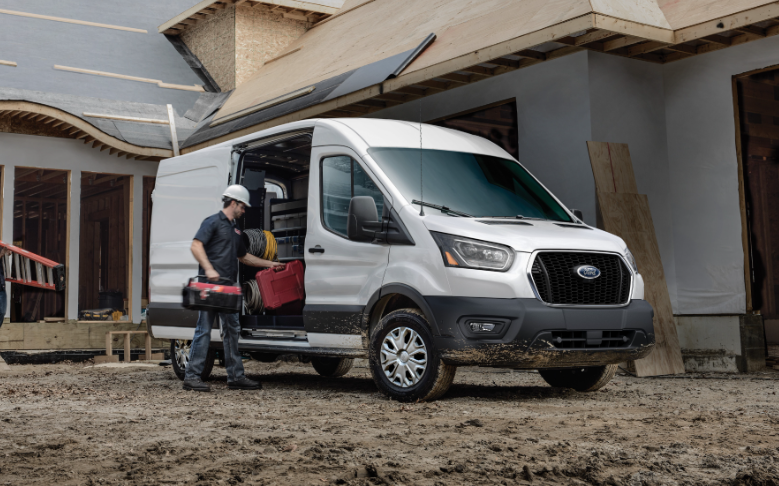
The Transit Cargo Van is where professional buyers spend the most time on interior specifics. The cargo area is intentionally minimal from the factory, because Ford and aftermarket builders have developed a broad network of upfit accessories to turn that empty space into a highly functional work environment.
Partition, Shelving, and Flooring Upgrades
A steel or composite partition between the cab and cargo area protects the driver compartment from shifting loads and defines the working zone. Many buyers in the trades opt for a full partition with a pass-through window, keeping communication open without sacrificing protection.
Purpose-built shelving really defines the cargo van interior. Aluminum units bolted to the side walls create organized vertical storage for tools, parts, and supplies. Locking drawers protect valuable equipment from shifting or theft. Flooring matters more than most buyers expect: a durable vinyl or rubber overlay protects the factory metal from moisture, chemical spills, and heavy equipment drag, while a reinforced plywood subfloor supports heavy toolboxes and provides clean anchor points throughout the cargo area.
How Brewster-Area Contractors and Service Providers Put the Transit to Work
Across northern Westchester County, the Transit is a familiar sight on job sites and in commercial driveways. Plumbers, electricians, and HVAC technicians rely on the Transit’s cargo infrastructure daily, as do remodeling crews and mobile repair operations. The ability to configure the van to match a specific workflow is a big part of why so many businesses keep coming back to it.
Contractors and fleet managers researching upfit options can explore our Brewster Ford commercial vehicles page for more on commercial-focused inventory and resources. That starting point helps streamline both the purchase and upfit planning before you visit the showroom.
Inside the Passenger Van: Flexible Seating for Groups and Families
The passenger version of the Transit trades cargo volume for human capacity, with more thoughtful attention to comfort than earlier generations. Whether you’re running a shuttle service, managing a church transportation program, or coordinating team transport for a school, the passenger Transit handles the demand without compromise.
Seating Layouts and Comfort From Row One to the Back
Depending on your configuration, you can seat anywhere from 2 to 15 occupants. The full 15-passenger arrangement is available on Extended models, using forward-facing seats throughout the cabin with three-abreast seating in the middle and rear rows, keeping the center aisle clear for boarding and movement.
The 12-passenger configuration remains one of the most popular choices for buyers who want solid occupant comfort without filling the last row. Removing the rear bench opens up a cargo area at the back, giving drivers a practical hybrid of hauling capacity and people transport. For youth sports teams, church groups, or small tour operations, this layout works exceptionally well.
The real trade-off is worth acknowledging directly: a dedicated 15-seat setup maximizes headcount but leaves no cargo flexibility. A hybrid layout with a removable rear bench gives you both options, at the cost of some occupied seating. Most buyers find that thinking through their typical weekly use resolves this choice quickly.
Shared Interior Features That Make Every Drive Better
Whether you’re configuring a cargo unit or a passenger wagon, the 2026 Ford Transit delivers a more refined driving experience than the utilitarian reputation of commercial vans might suggest.
SYNC 4, Driver-Assist Tech, and Everyday Comfort
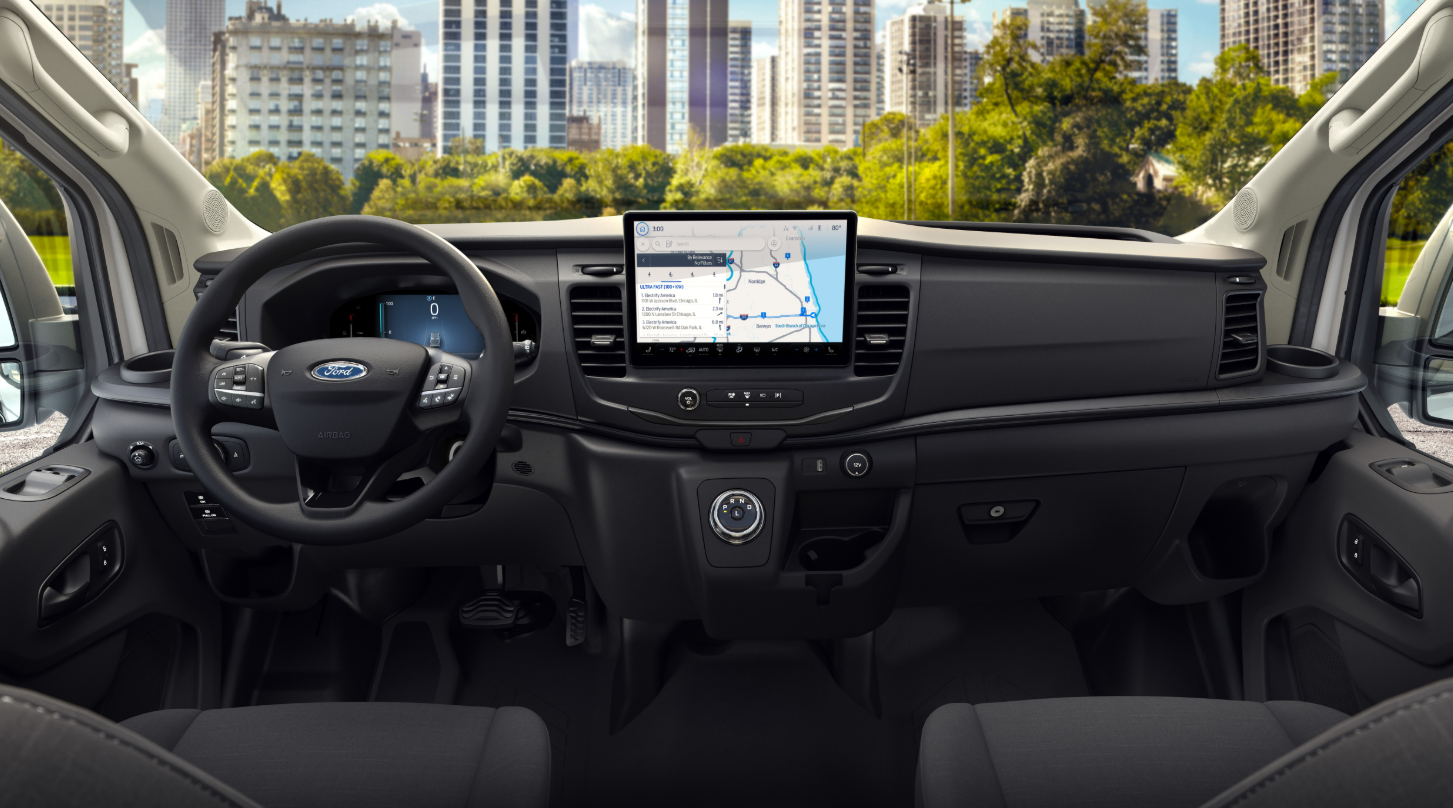
The 2026 Transit features a 12-inch touchscreen running Ford’s SYNC 4 infotainment system, paired with an 8-inch digital cluster display and keyless push-button start. SYNC 4 includes voice controls and standard Apple CarPlay and Android Auto. A standard 5G modem keeps connected fleet vehicles online without relying on a phone hotspot.
Ford Co-Pilot360 is standard across all 2026 Transit models, including pre-collision assist with automatic emergency braking, lane-keeping alert, and blind-spot monitoring. These features are particularly valuable given the van’s size. Available 360-degree camera systems help with tight maneuvering in parking lots or at loading docks.
Available 10-way power heated seats for the driver and front passenger make a real difference for anyone regularly logging long days behind the wheel. Climate control with front and rear venting keeps the cab comfortable year-round.
The Transit as an Adventure Vehicle: Van Life and Weekend Builds
Beyond the job site, the 2026 Ford Transit has earned a following among van life enthusiasts and weekend adventurers. The High Roof Extended Transit has become one of the most popular bases for custom interior builds, because the available footprint and ceiling clearance give builders genuine room to work.
A typical build starts with insulation panels fitted between the metal ribs of the cargo walls and ceiling. A bed platform designed to fold or slide creates a full sleeping surface without permanently sacrificing daytime walking space. Kitchen modules built from lightweight materials can incorporate a compact cooktop and a 12-volt refrigerator along one wall, with a small sink where space allows. Solar panels on the roof feeding a lithium battery bank allow self-sufficient off-grid travel for extended trips.
Lower roof configurations suit lighter adventure use, particularly for buyers who prioritize easier parking and garage clearance over full stand-up headroom. The choice between roof heights mirrors the same decision contractors face: how much interior capability do you actually use on a given trip?
Matching the Right 2026 Ford Transit Interior Configuration to Your Needs
The 2026 Ford Transit interior choices break down along a few clear decision points. Cargo buyers should prioritize roof height based on whether standing workspace is needed, then choose length based on load volume. Passenger buyers should count their regular occupant load and decide between a dedicated 15-seat setup or a hybrid arrangement with rear cargo space. Van life buyers typically gravitate toward the High Roof Extended Cargo as their build base.
It’s also worth thinking about long-term ownership costs. The Transit has a strong durability record and broad aftermarket support, with parts widely available through dealerships and independent suppliers alike. Over a multi-year ownership cycle, that tends to keep total costs lower than many alternatives.
Find Your Transit Configuration at Brewster Ford
If you’re ready to explore 2026 Ford Transit van interior options in person, we’re here to help. At Brewster Ford, we stock Transit vans across roof heights and body lengths, and our team can walk you through available configurations, discuss upfit planning, and help you work through financing options that fit your budget.
View our new Ford Transit inventory in Brewster, NY online, or stop by the showroom at 1024 Route 22, Brewster, NY 10509. Sales hours run Monday through Thursday from 9 AM to 7 PM and Friday through Saturday from 9 AM to 6 PM. You can also call our sales team at 845-205-7019 to check current Transit inventory or ask about configuration availability.
Connect with us


- July 2026
- June 2026
- May 2026
- April 2026
- March 2026
- February 2026
- January 2026
- December 2025
- November 2025
- October 2025
- September 2025
- August 2025
- July 2025
- June 2025
- May 2025
- April 2025
- March 2025
- February 2025
- January 2025
- December 2024
- November 2024
- October 2024
- September 2024
- August 2024
- July 2024
- June 2024
- May 2024
- April 2024
- March 2024
- February 2024
- January 2024
- December 2023
- November 2023
- October 2023
- September 2023
- August 2023
- July 2023
- June 2023
- May 2023
- April 2023
- March 2023
- February 2023
- January 2023
- December 2022
- November 2022
- October 2022
- September 2022
- August 2022
- July 2022
- June 2022
- May 2022
- April 2022
- March 2022
- February 2022
- November 2021
- October 2021
- September 2021
- January 2021
- February 2017
- January 2017
- December 2016